InnoMP Market Watcher is the alert centre built into the InnoMP APP and WebTrader. It fires on six families of condition — price level, moving average, Bollinger band, MACD, KDJ and RSI — with adjustable indicator periods and AND/OR logic, so two criteria can be combined into a single, more selective alert. Creating one takes three steps: choose Create Alert, build the conditions, confirm the combination. Set the trigger slightly beyond a level rather than exactly on it, because price probes levels constantly.
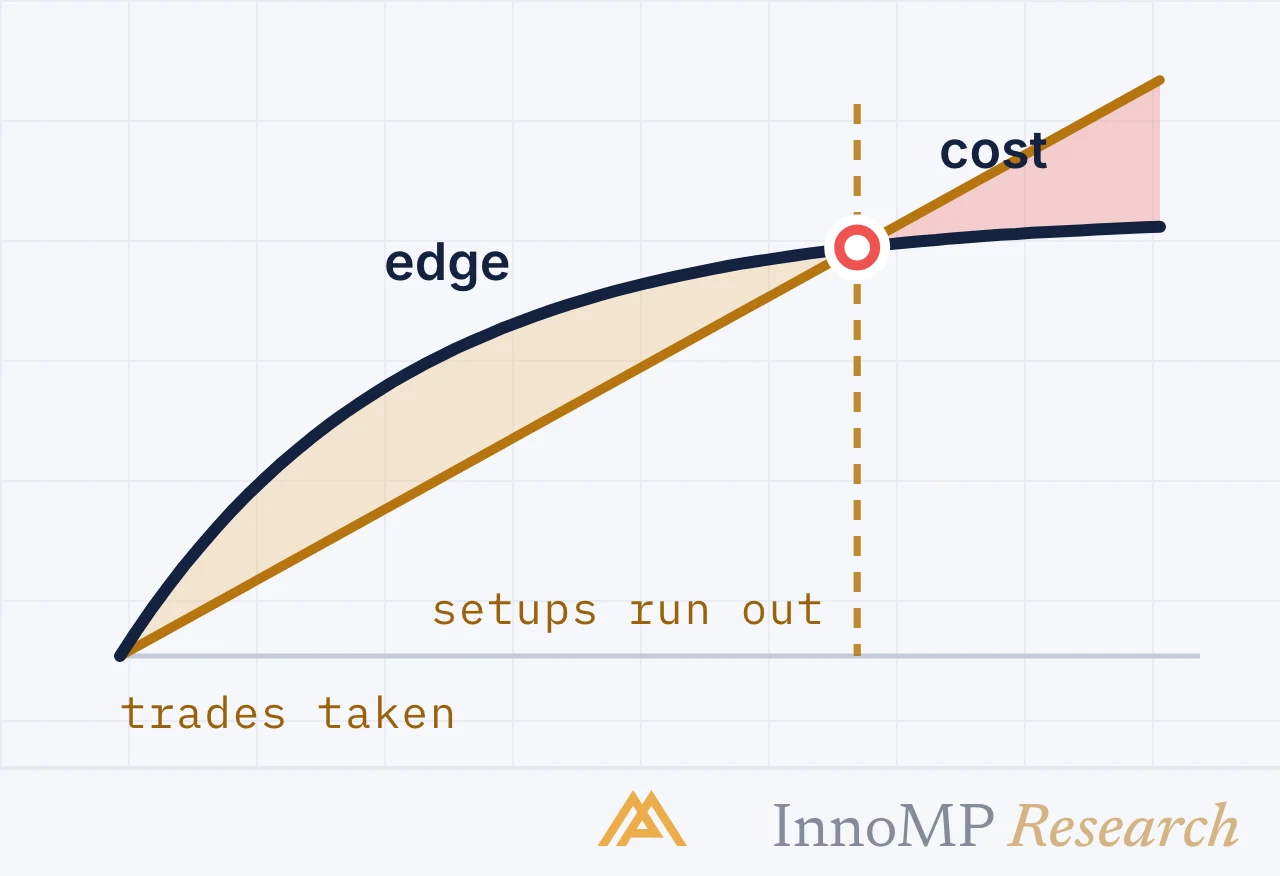
Screen-watching is expensive. It costs hours, and it produces worse decisions than the same trader would make away from the chart, because a position watched tick by tick invites intervention that the plan never called for.
Market Watcher — built into the InnoMP APP and WebTrader — solves both problems. Creating an alert takes three steps: choose Create Alert, build the conditions, confirm the combination. What deserves the thought is what goes into step two.
1. Mark the level before you need it
Alerts are only as good as the levels behind them. Work from the chart in a quiet moment: prior swing highs and lows, the boundaries of an established range, the level where a current thesis would be invalidated.
Set alerts at the levels where you would do something. An alert at a level you would only look at is a notification that trains you to ignore notifications.
2. Choose the trigger condition
Market Watcher offers six alert families:
- Price tracking — rises to, falls to, daily increase above or daily fall below
- MA — long/short alignment and moving-average crossovers
- BOLL — breaks above or below the upper, middle or lower band
- MACD — zero-axis cross, golden cross and death cross
- KDJ — overbought, oversold and crosses
- RSI — overbought, oversold and threshold signals
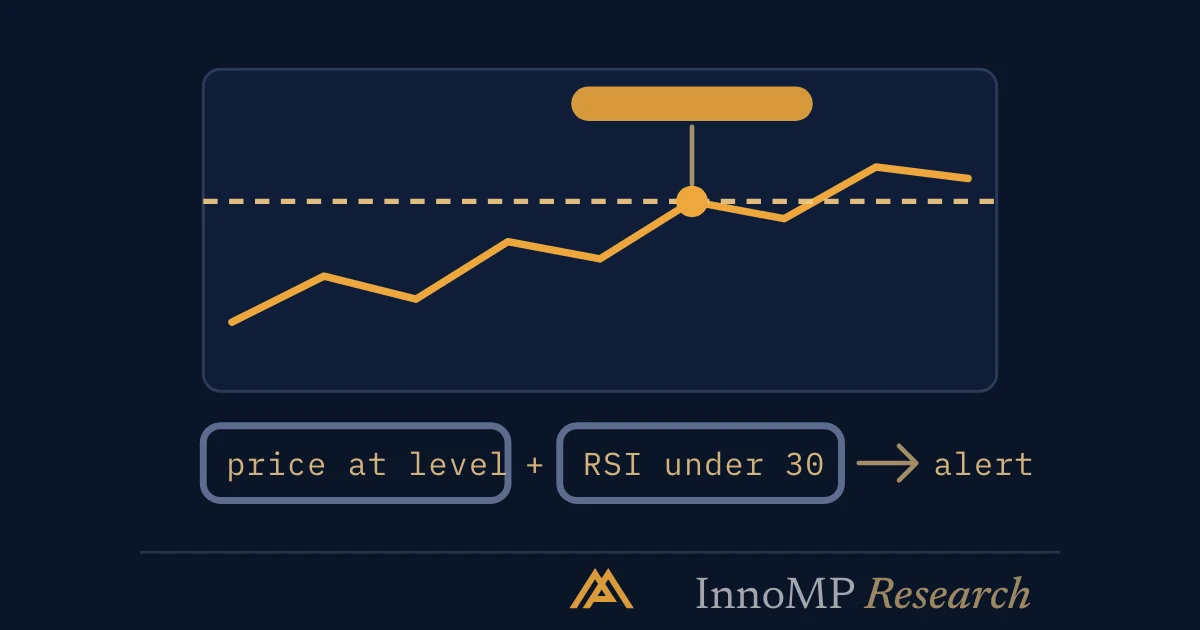
Indicator periods are adjustable, and conditions combine with AND/OR logic — “price reaches 2,430 AND RSI is overbought” is a single alert, and a far more selective one than either condition alone. That selectivity is the point: an alert that fires only when two of your criteria agree is an alert you will still be reading in a month.
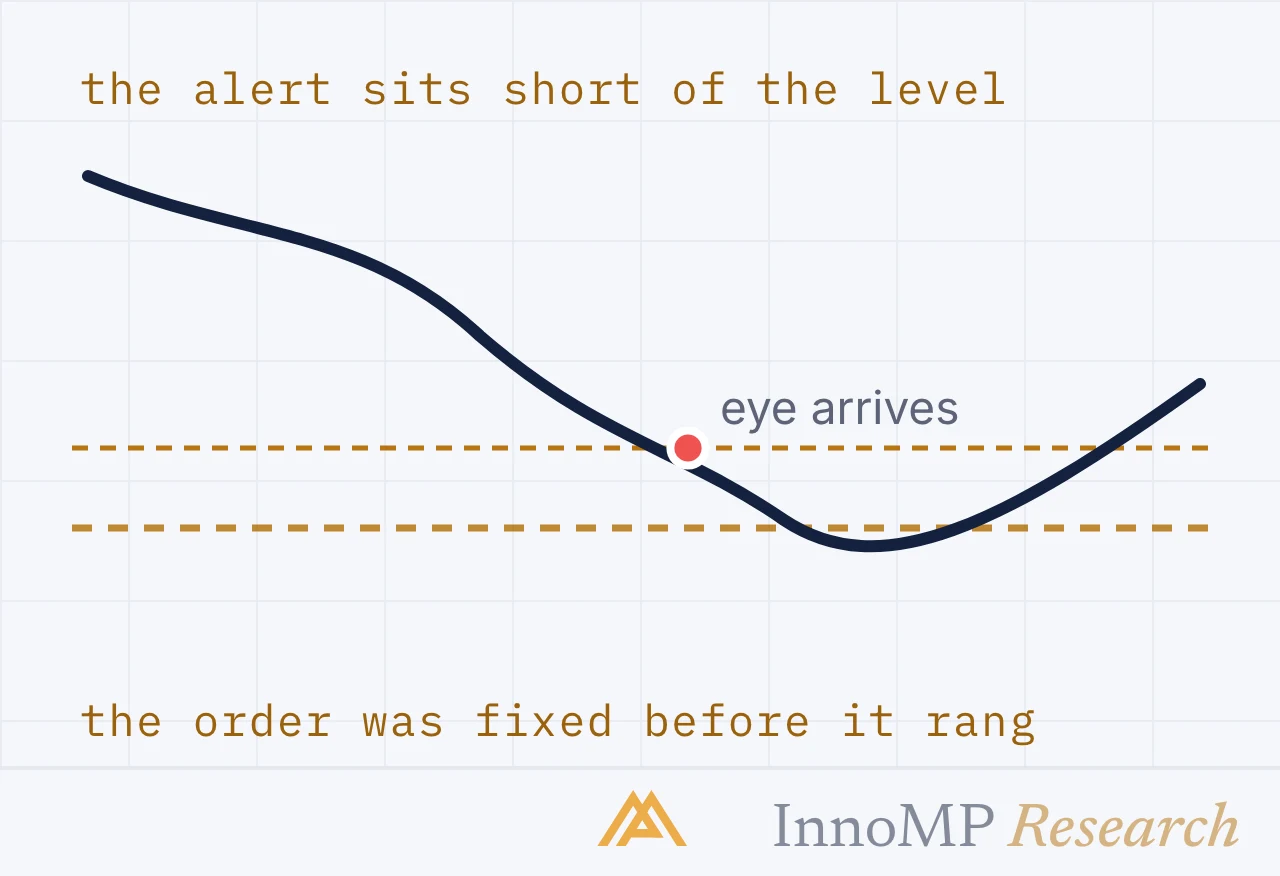
For level-based work, set the trigger slightly beyond the level rather than exactly at it. Price probes levels constantly; an alert set precisely on the line fires on noise.
3. Confirm — and write the decision in
The third step is confirming the condition combination. Before you do, make sure the alert carries its own instructions.
Key takeaway Write the decision into the alert. “EURUSD at 1.0850” tells you nothing when it fires at 3am. “EURUSD 1.0850 — range top, look for rejection, do not chase” tells you what the calmer version of yourself already concluded.
After setup: review weekly
Alerts go stale. A level that mattered three weeks ago may be irrelevant now, and the accumulated debris makes the useful ones harder to notice.
Once a week: delete what has triggered, delete what no longer applies, add levels from the current structure. Five minutes.
The part that actually matters
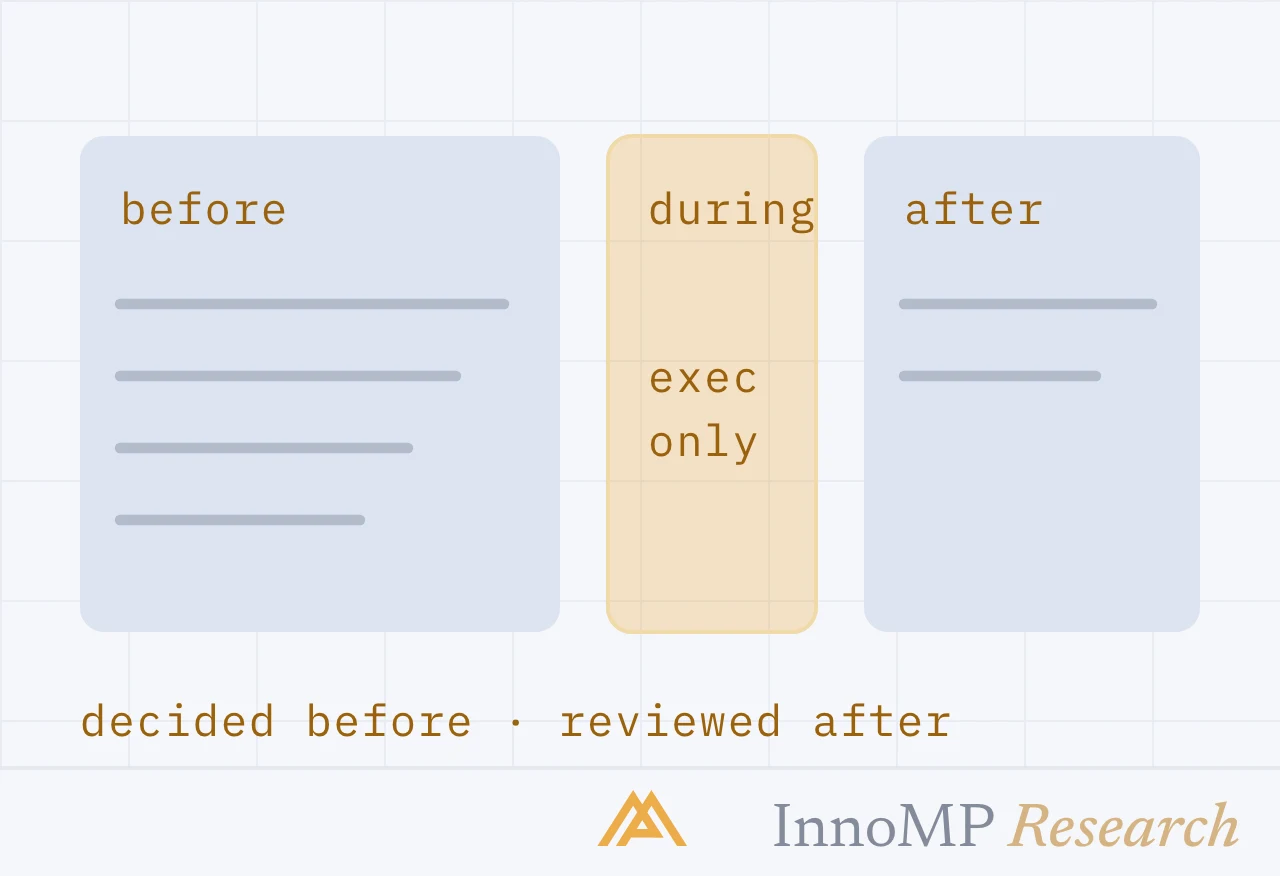
The mechanical benefit of alerts is not having to watch. The larger benefit is that they force the decision to be made in advance.
A trader who decides at 2pm on Sunday what to do if a level breaks is a different trader from one deciding in the moment with the position already moving. The alert is what carries the first decision to the second moment — which is most of what a trading plan is for.
- Market Watcher is built into both the InnoMP APP and WebTrader.
- It offers six alert families: price level, moving average, Bollinger band, MACD, KDJ and RSI.
- Indicator periods are adjustable and conditions combine with AND/OR logic.
- Creating an alert takes three steps: create, build the conditions, confirm.
- An alert set exactly on a level fires on noise; set it slightly beyond.