The sixth hour of a session produces worse decisions than the first. Why watching more leads to trading worse, and what to do with the hours you free up.
IRInnoMP Research · Education Desk Published 31 Aug 2026 · Updated 31 Aug 2026 4 min read
In short
Decision fatigue is the decline in decision quality that follows a period of sustained decision-making. In trading it shows as later-session trades being larger, faster and less selective than earlier ones. Because watching a chart is itself a stream of micro-decisions, reducing screen time through alerts protects decision quality more effectively than trying to concentrate harder.
Decision fatigue is the decline in decision quality after a sustained period of deciding. It is not tiredness in the ordinary sense — you can feel alert and still be making measurably worse choices.
For traders the relevant implication is uncomfortable: watching charts is itself a stream of decisions, and it consumes the same resource that executing the plan requires.
What it looks like in a session
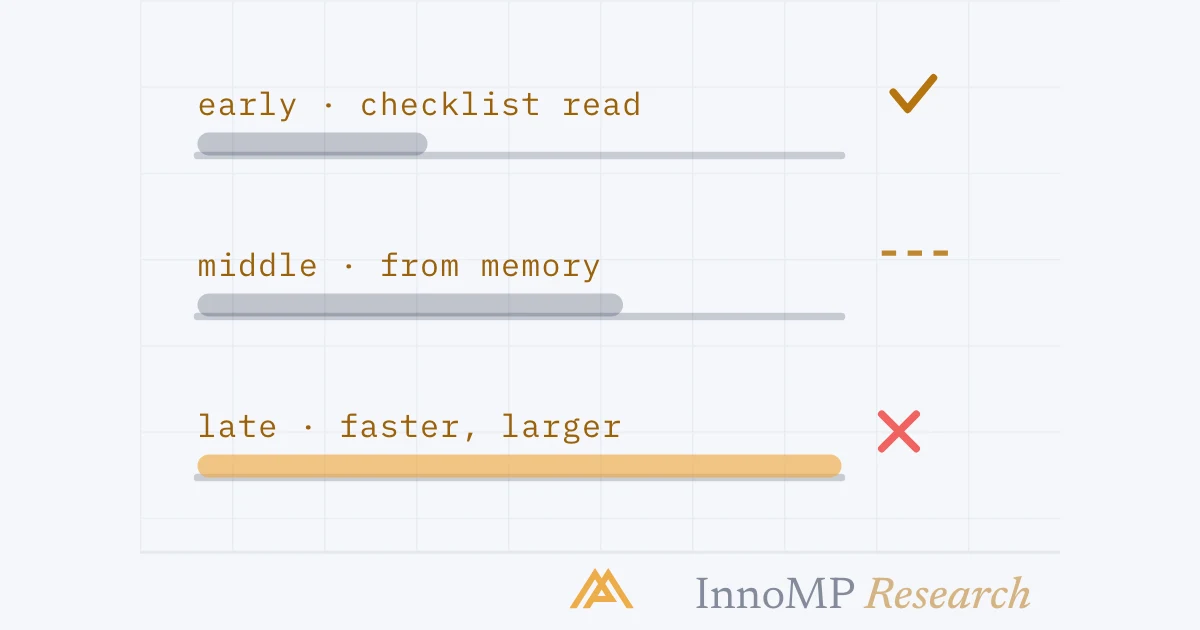
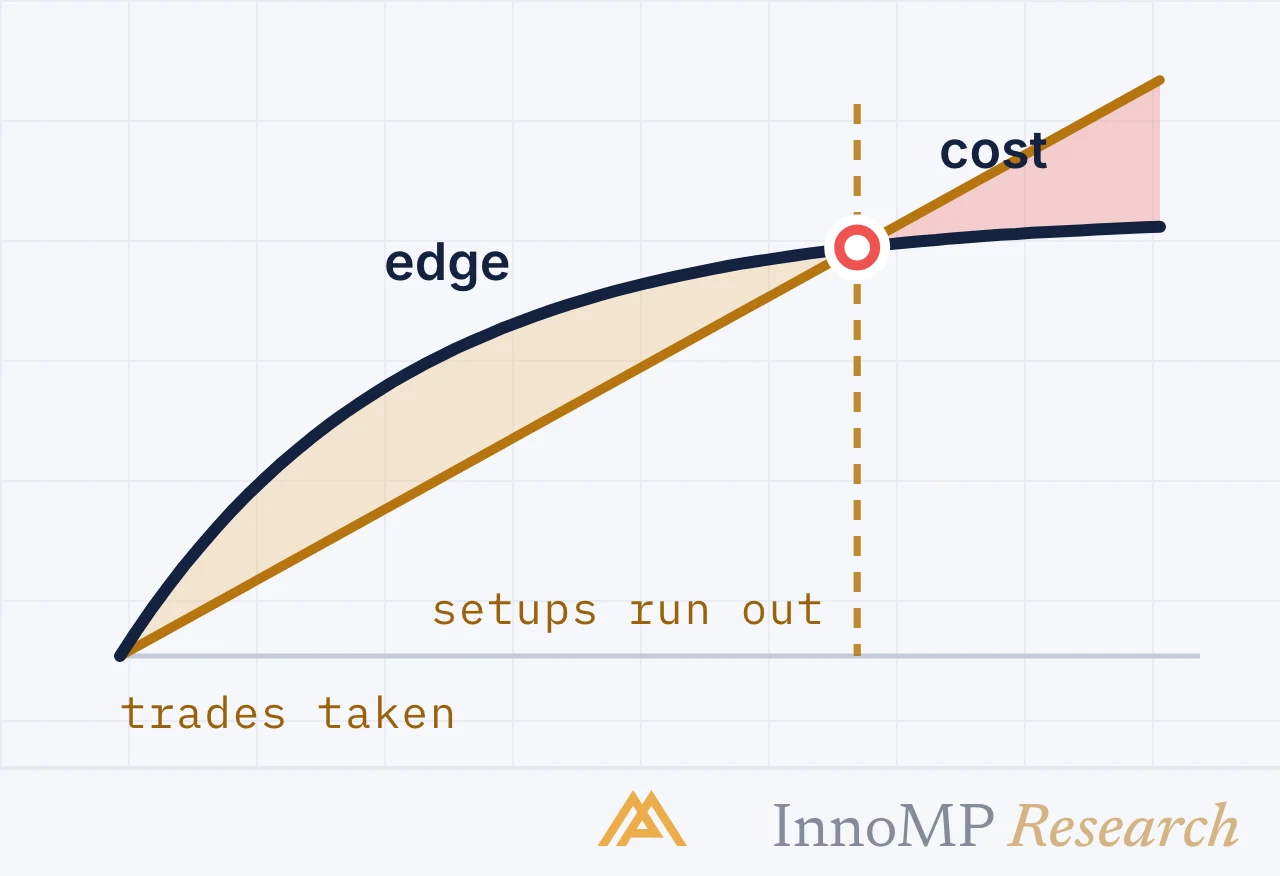
The strategy did not change. The person applying it did — with nothing going wrong to trigger it. The long session does not add setups — the alerts would have found those. It adds hours of low-quality decision-making at the end.
Why “just concentrate harder” fails
The same reason willpower fails elsewhere in this series: it draws on the resource that is being depleted. Concentrating harder in hour six uses the thing that hour six has already spent.
The structural response is to shorten the period in which decisions are required, rather than trying to sustain quality across a longer one.
The alert-based session
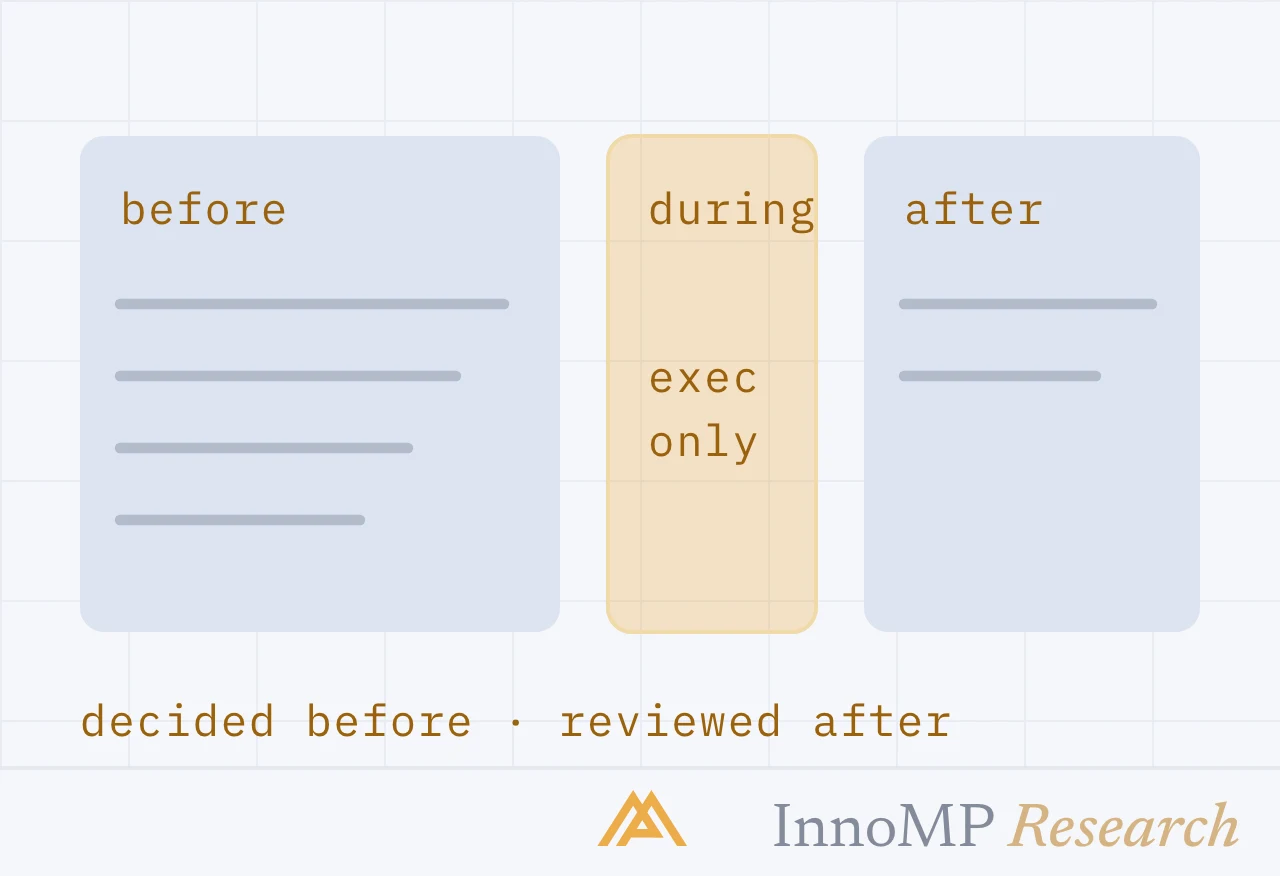
Total decision-making time is a fraction of a watched session, and every decision is made in a rested state.
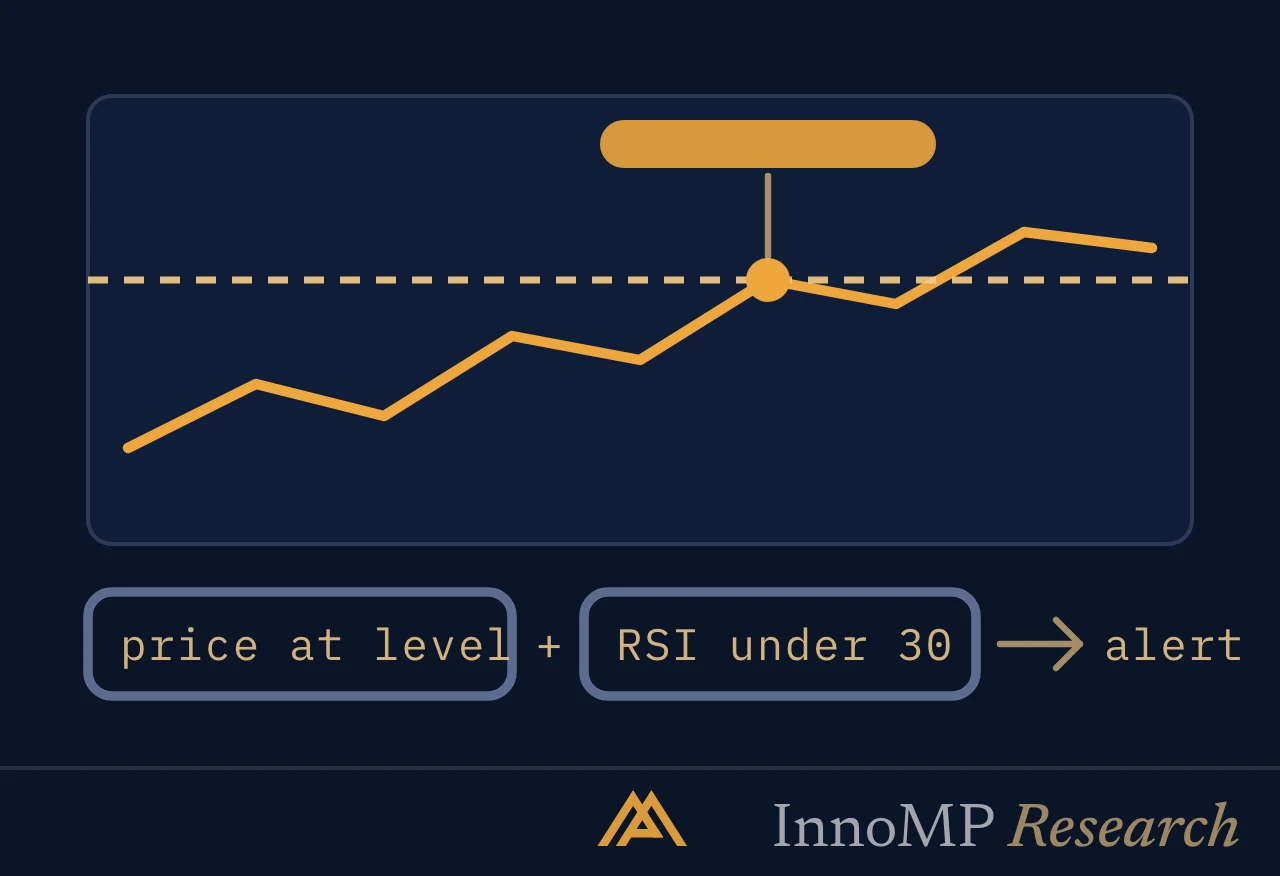
Market Watcher supports price and indicator conditions combined with AND/OR logic, so an alert can be selective enough to be worth returning for.
This also removes the trigger for FOMO and much of overtrading — three problems, one change.
Key takeaway
Watching more does not produce more good setups. The setups occur when they occur, and an alert finds them more reliably than attention does. What watching produces is a longer period during which marginal trades look acceptable.
Three problems, one change. That is why this recurs throughout the series.
Finding your session length
It is personal, and it is already in your journal. Record the time of each trade next to its compliance grade and look.
Record the time of each trade alongside its compliance grade from Part 18, then look at whether compliance falls after a certain number of hours. Ending the session there costs a few setups a month and removes the stretch that produces the worst decisions — which, given that the worst decisions are also the largest ones, is a favourable trade.
Decision quality declines over a sustained session of continuous decision-making.
Watching a chart is itself a continuous sequence of micro-decisions.
Later-session trades tend to be larger, faster and less selective.
Alerts replace watching, which removes the fatigue rather than resisting it.
Frequently asked questions
What is decision fatigue in trading?
The decline in the quality of decisions after a long period of making them. Later in a session, traders tend to take setups they would have skipped earlier, size less carefully, and follow their checklist less completely.
Does watching charts all day help?
Generally not. Watching is itself a stream of small decisions — is this a setup, is this a break, should I act — so long screen sessions consume the resource that good execution depends on, without adding information the alerts would not have delivered.
How long should a trading session be?
Short enough that the last decision is as careful as the first. For most discretionary traders that is a few focused hours around their chosen session, not a full day. The correct length is personal and visible in your own journal.
How do I reduce screen time without missing setups?
Mark levels in advance and set price and indicator alerts at each one, then close the chart. The alert brings you back at the price you cared about, which is more reliable than watching for it.
IR
InnoMP Research · Education Desk
Trading education from first principles — position sizing, risk, market structure and the habits that keep accounts alive. Written for someone who has never opened a chart, with a diagram at every step.
Published 31 Aug 2026 · Updated 31 Aug 2026
Disclaimer: This content is provided for general informational purposes only and does not constitute investment advice, an offer, or a solicitation to buy or sell any financial instrument. It has been prepared without regard to your individual financial circumstances or objectives. Trading CFDs involves a high risk of loss.
InnoMP's Market Watcher fires on price levels, moving averages, Bollinger bands, MACD, KDJ and RSI — with AND/OR logic. Set up properly, it also enforces deciding before price arrives, not after.