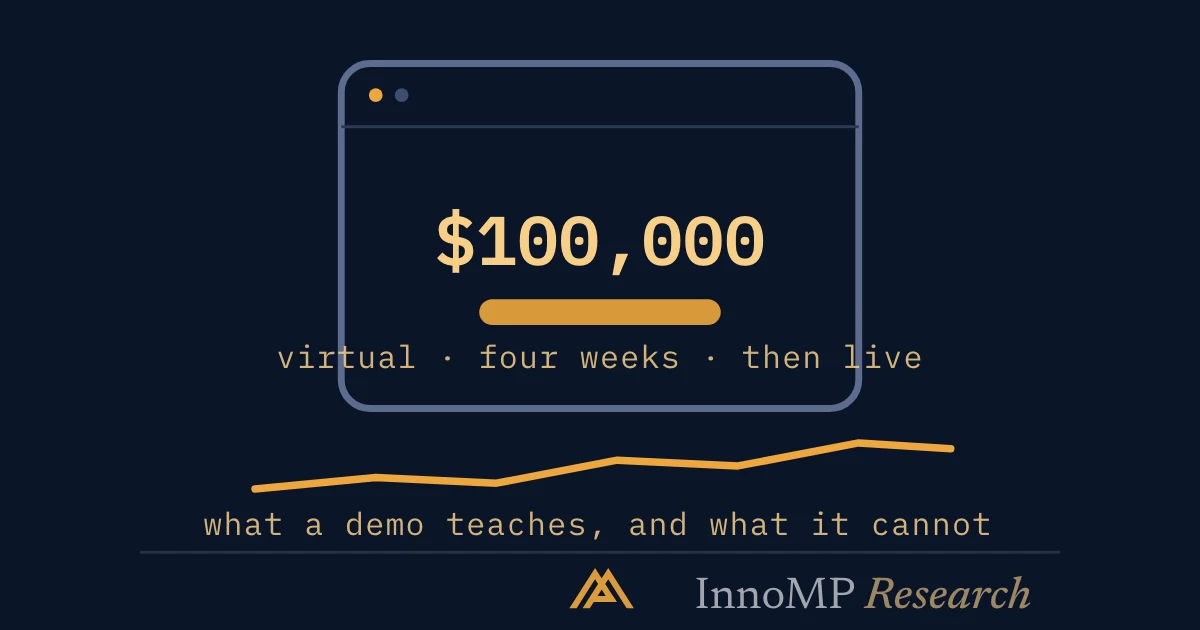
An InnoMP demo account carries $100,000 in virtual capital on live prices, and it is for rehearsing execution and process rather than psychology. It genuinely teaches order mechanics, running a strategy end to end, and how spreads, news and swap behave on a live feed. It cannot teach what a losing streak feels like, its fills face no real liquidity constraint, and its balance is far larger than most first live deposits — InnoMP live accounts open from $20 — so demo sizing teaches little about real sizing.
Every trader is told to start on demo. Far fewer are told what a demo is actually for — and the difference between practising deliberately and clicking around explains why some traders arrive at their live account prepared and others arrive with expensive habits.
What a demo genuinely teaches
Execution mechanics. Order types, attaching stops at entry, modifying and closing positions, reading the account bar. These become automatic on demo, which is exactly where mistakes of unfamiliarity should be spent.
Strategy process. A demo is the venue for running a strategy end to end: finding the setup, sizing the position, placing the order with its stop, recording the result. Thirty repetitions of that loop teach more than three hundred casual clicks.
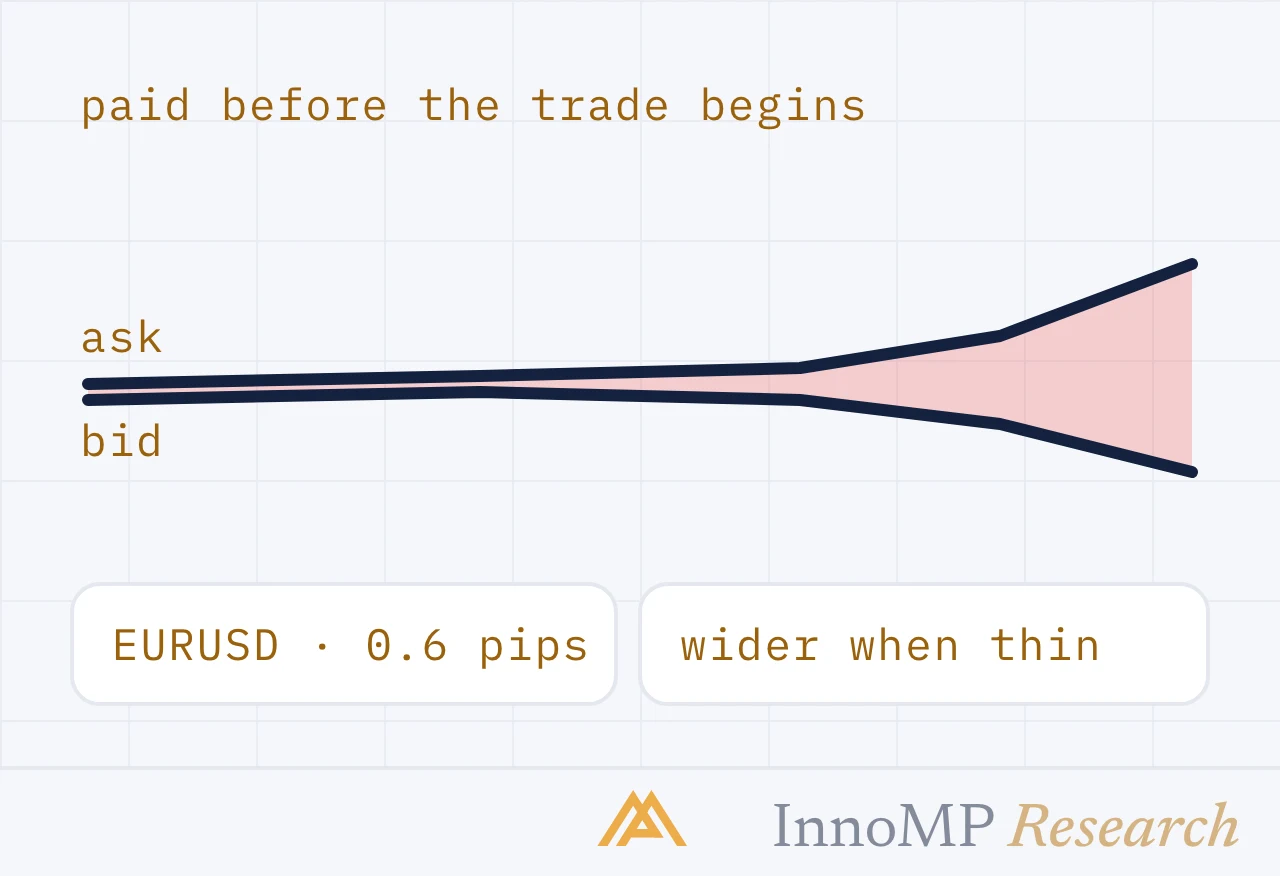
Platform behaviour. How spreads move through the day, what news moments look like on a live feed, how swap posts at rollover. Cheap lessons on demo; costly ones live.
What a demo cannot teach
The absence of consequence changes the experience in ways worth naming, because knowing them is the defence:
Loss doesn’t hurt. A five-loss streak on practice funds is a statistic; live, it is a mood with opinions about your next trade. Our guide to reading a drawdown is worth internalising while losses are still free.
Size feels abstract. The demo’s $100,000 balance is larger than most first live deposits by orders of magnitude — InnoMP live accounts open from $20. Sizing 1% of the demo balance teaches nothing about sizing 1% of your real one. Decide the balance you would actually fund, and size every demo trade as if the account held that amount, by the rules in position sizing before leverage — otherwise the practice is practising the wrong thing.
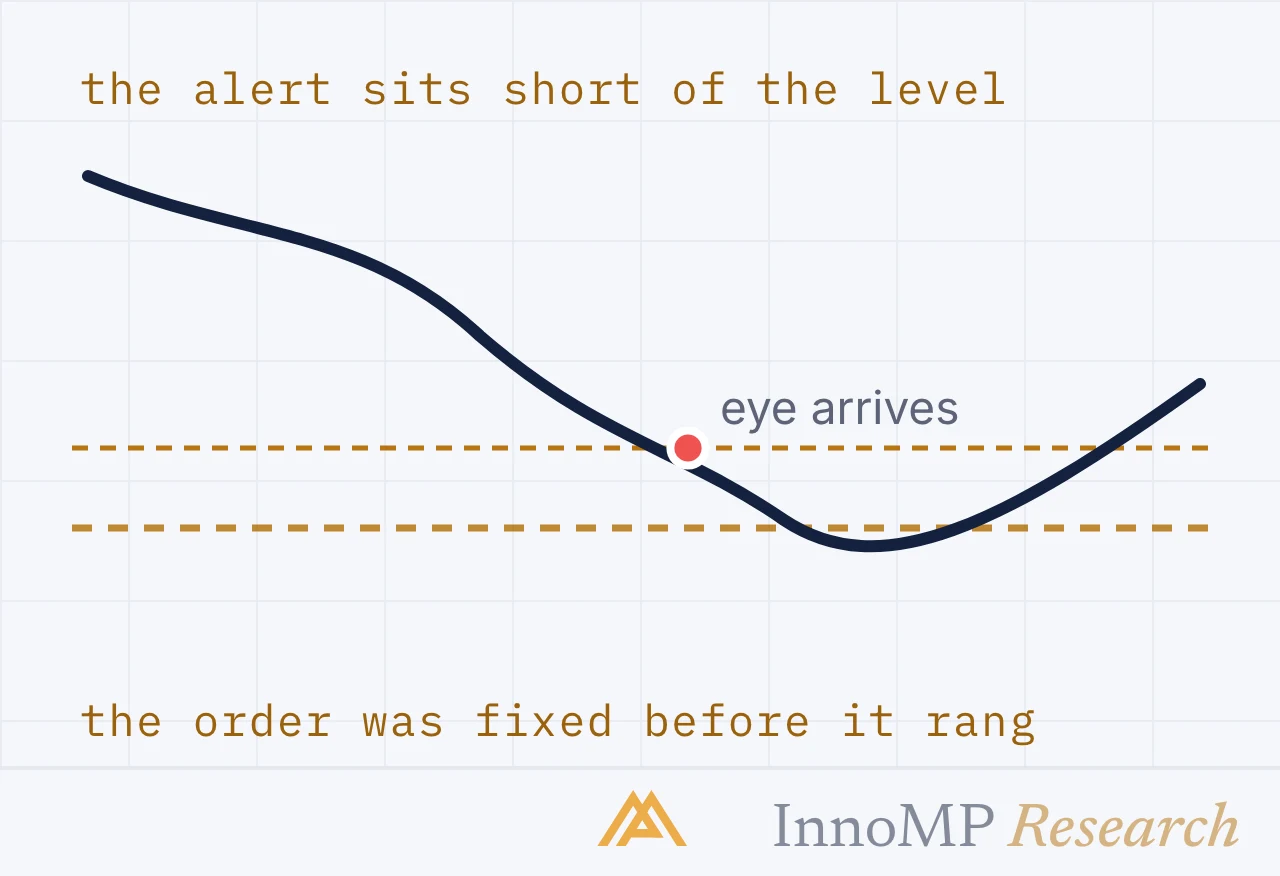
Fills are friendlier. Demo execution faces no real liquidity constraint. Expect live slippage in fast markets to be less polite, and plan sizing accordingly.
Key takeaway Treat the demo as a rehearsal with the full costume: real strategy, realistic balance, honest sizing, written records. The traders who transition well are the ones whose demo month is indistinguishable, on paper, from their first live month.
A four-week structure
Week 1 — mechanics. Learn the platform deliberately: every order type, stop attachment, the close and partial-close flow. Errors here are the cheapest they will ever be.
Weeks 2–3 — strategy repetitions. Trade only your defined setup, at honest size, recording each trade: the setup, the size, the stop distance, the result, and what you felt like doing versus what you did.
Week 4 — review like an outsider. Win rate, average win against average loss, total costs paid, and — most tellingly — how many trades met your written criteria. If fewer than 80% did, the strategy is not what was tested; the impulses were.
When to go live
Trade count over calendar time: 30–50 completed trades of a consistent process is a meaningful sample; two good weeks is weather. And when the switch happens, start at half the size the arithmetic allows — the first weeks live are for learning what consequence feels like, and that lesson is cheaper at half size.
The demo stays useful after the transition. Every strategy change goes back through it. Live accounts run proven process; demos run experiments. Keeping that boundary is one of the quiet habits that separates traders who last.
- An InnoMP demo account holds $100,000 in virtual capital and runs on live prices.
- A demo teaches execution mechanics, strategy process and platform behaviour.
- A demo cannot reproduce the consequence of loss, and its fills face no real liquidity constraint.
- The demo balance is far larger than most first live deposits; InnoMP live accounts open from $20.