Markets react to the gap between a data release and the consensus forecast, not to the number itself. In the first ninety seconds after a high-impact release spreads widen to several pips, slippage is routine and the first move often reverses, making that window the worst risk-adjusted moment of the session to open a trade. The practical approach is a pre-event checklist — know what is scheduled, mark levels beforehand, decide whether to hold, reduce size — and trade the aftermath rather than the print.
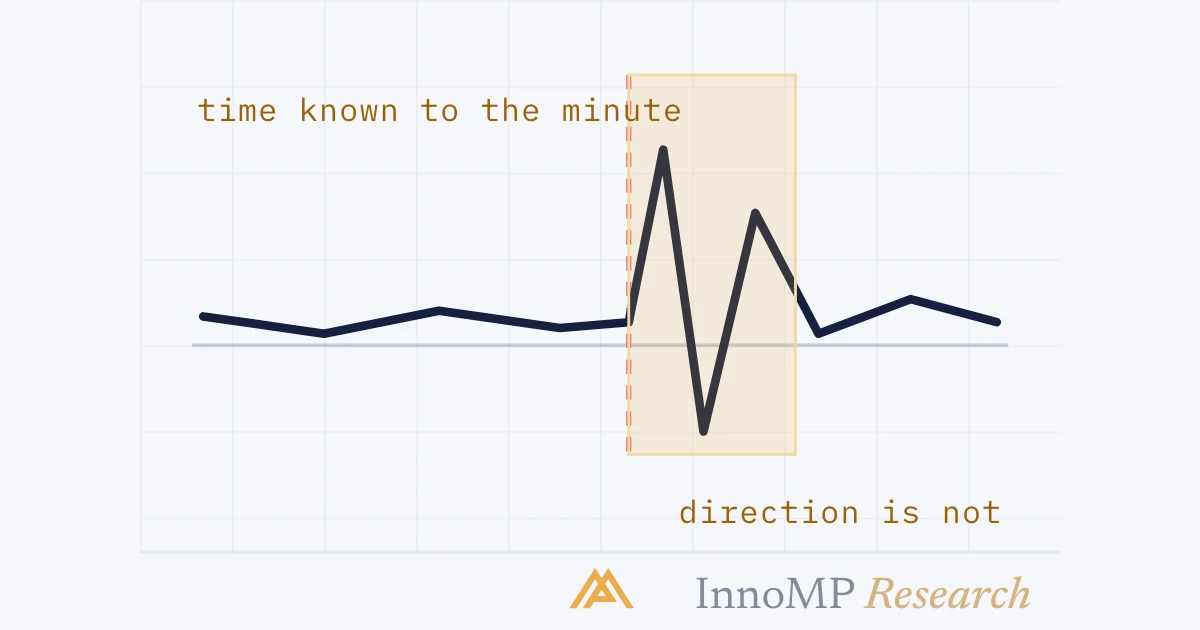
The economic calendar is the rare part of trading where the timing of a volatility spike is known in advance to the minute. That should be an advantage. For many traders it is the opposite, because knowing when something will happen gets mistaken for knowing what will happen.
The number is not the trade
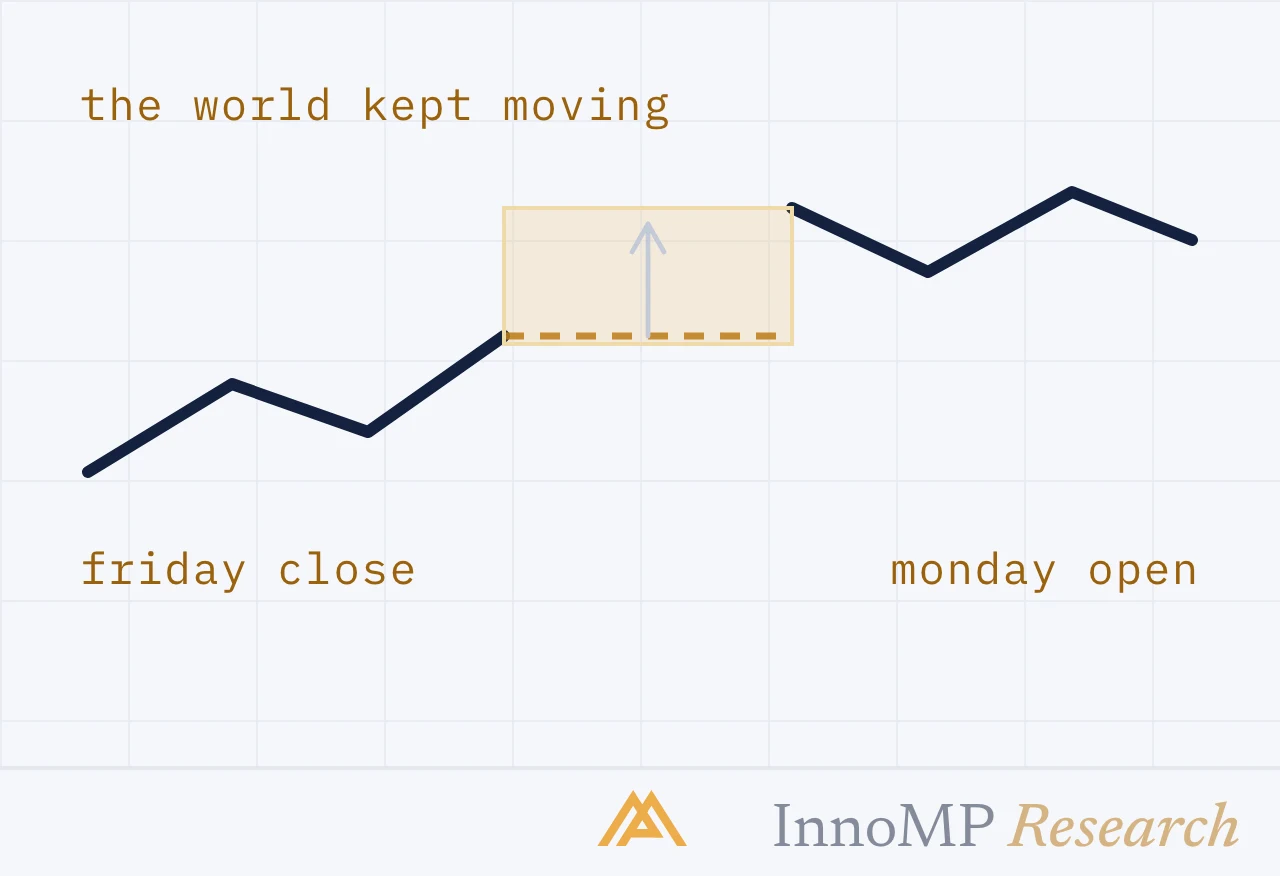
Markets do not react to data. They react to the distance between data and expectation.
This is why a payrolls print of 180,000 can send the dollar up on one occasion and down on another. The figure is identical; the consensus it landed against was not. Before any release, the relevant questions are:
- What is the consensus forecast?
- How wide is the range of individual estimates? A tight range means a surprise moves more.
- What has price already done in the sessions leading in? A market that has rallied for three days into a release has partially priced the outcome.
- Which revisions accompany the headline? Prior-period revisions routinely overwhelm the current print.
A trader who can answer these has an edge over one who only knows the release time. Neither can predict the number.
What happens in the first ninety seconds
The immediate post-release window has properties that make it structurally hostile to normal execution:
Spreads widen. A pair that quotes at 0.6 pips can quote several pips wide for a few seconds. A stop sitting inside that band gets taken out by the spread rather than by directional movement.
Slippage becomes routine. Order execution happens at the next available price, not the requested one. In fast markets those can differ meaningfully.
The first move often reverses. Algorithmic reaction to the headline number frequently precedes human reading of the detail. A print that looks strong on the headline and weak underneath can produce a sharp move up followed by a larger move down inside two minutes.
Key takeaway The first minute after a release is the worst risk-adjusted moment of the entire session to open a discretionary position. The information advantage that exists in that window belongs to systems measured in microseconds.
A pre-event checklist
Run this in the hour before a high-impact release:
- Identify what is scheduled. Not just the headline event — related speakers and secondary releases in the same window matter too.
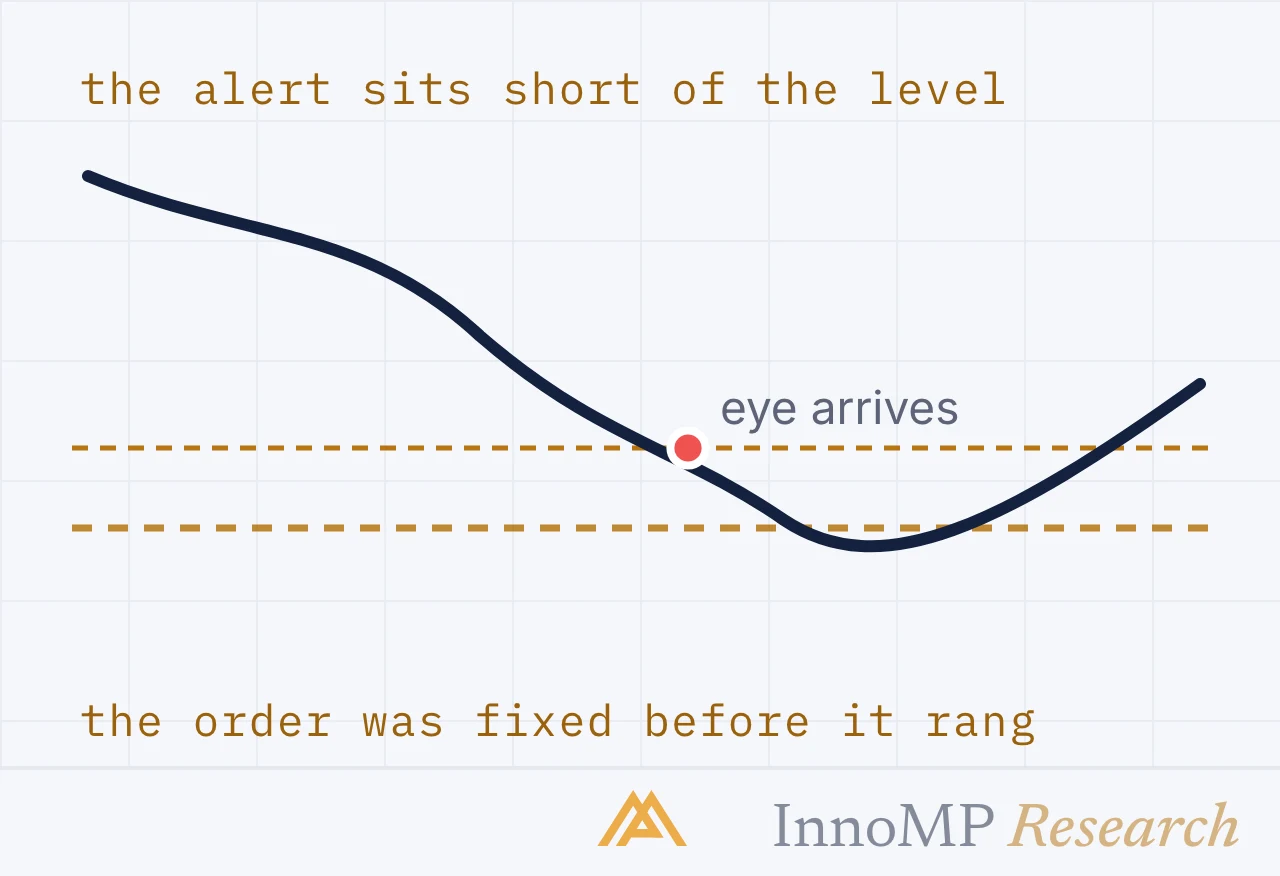
- Mark the levels that already matter. Support and resistance drawn before the release are more useful than levels drawn in the chaos afterwards.
- Decide whether you are in or out. A position held through the release is a bet on the release. If the strategy has no view on the data, holding through it is an unplanned bet.
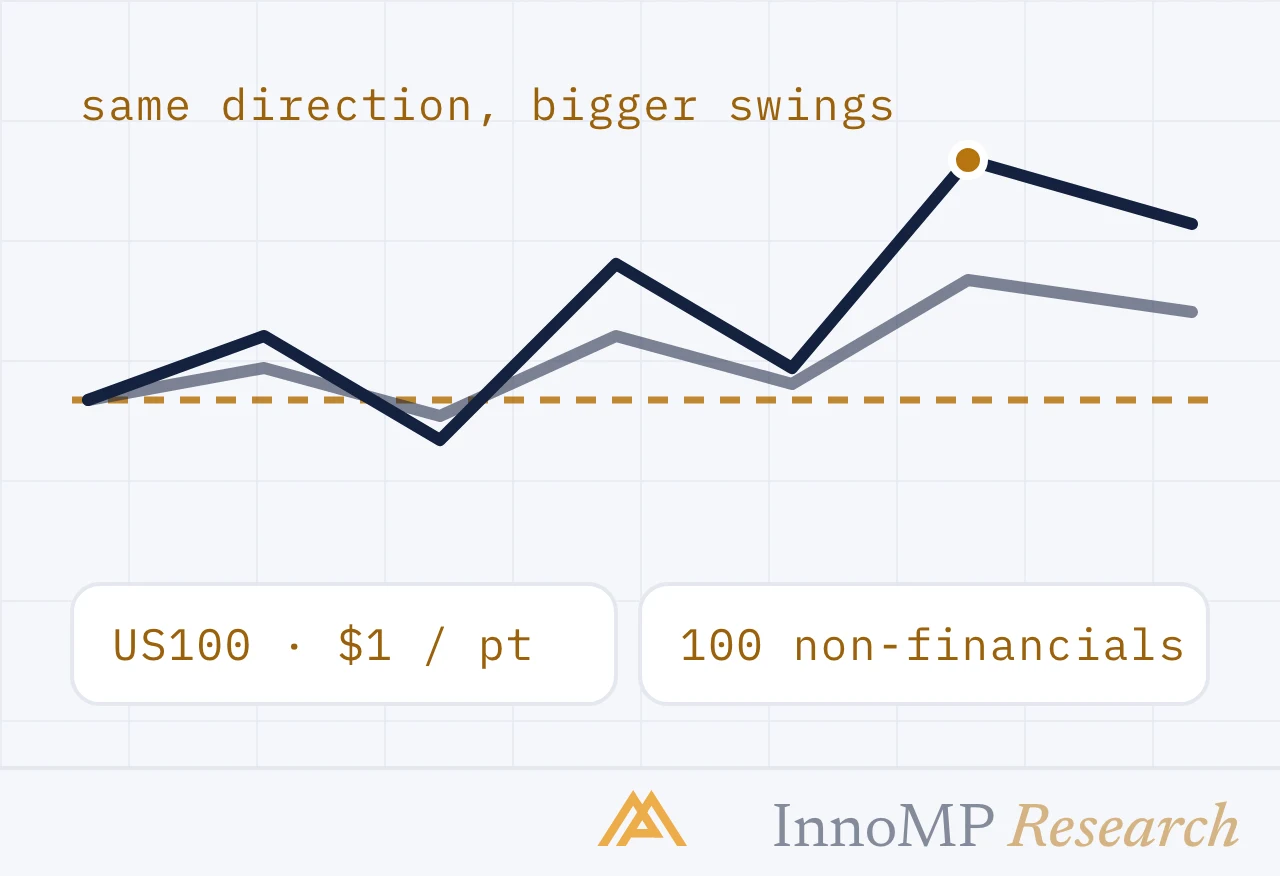
- Reduce size if holding. Volatility around major statements routinely runs at multiples of the session average. The same position carries several times its usual risk.
- Widen stops in proportion — and cut size to match. A stop wide enough to survive the spike, at a size small enough that the wider stop still fits the risk budget. Widening the stop alone converts a 1% risk into a 3% one.
- Know your broker’s conditions. Execution policy and margin requirements around scheduled events are worth reading before you need them, not after.
Three ways to trade around a release
Stand aside and trade the aftermath. The most straightforward approach. Wait for the initial two-way movement to settle, then trade the level that price has established. Gives up the first move; avoids the worst of the execution risk.
Reduce and hold. For a position already open with a thesis independent of the release. Size down beforehand so the volatility spike is survivable, then manage normally once conditions normalise.
Trade the repricing, not the print. Some of the more durable moves come hours later, as the market digests what the data implies for a policy path. This is slower and less dramatic than the initial spike, and considerably less hostile to execution.
What none of these involve is placing a directional order in the seconds before a release in the hope of catching the spike. That is a coin flip with widened spreads attached.
The habit that matters most
Check the calendar before you enter, not after you are in.
A large share of “the market moved against me for no reason” moments are scheduled events that the trader did not look up. Two minutes of preparation removes an entire category of avoidable loss — which is a better return on effort than almost anything else available.
- Markets price the distance between the released figure and the consensus forecast, not the figure alone.
- In the seconds after a major release, spreads can widen from under a pip to several pips.
- The first post-release move frequently reverses once the detail and revisions are read.
- A position held through a release is a bet on the release; reduce size or stand aside if the strategy has no view on the data.
- Checking the calendar before entry removes a whole category of avoidable losses.