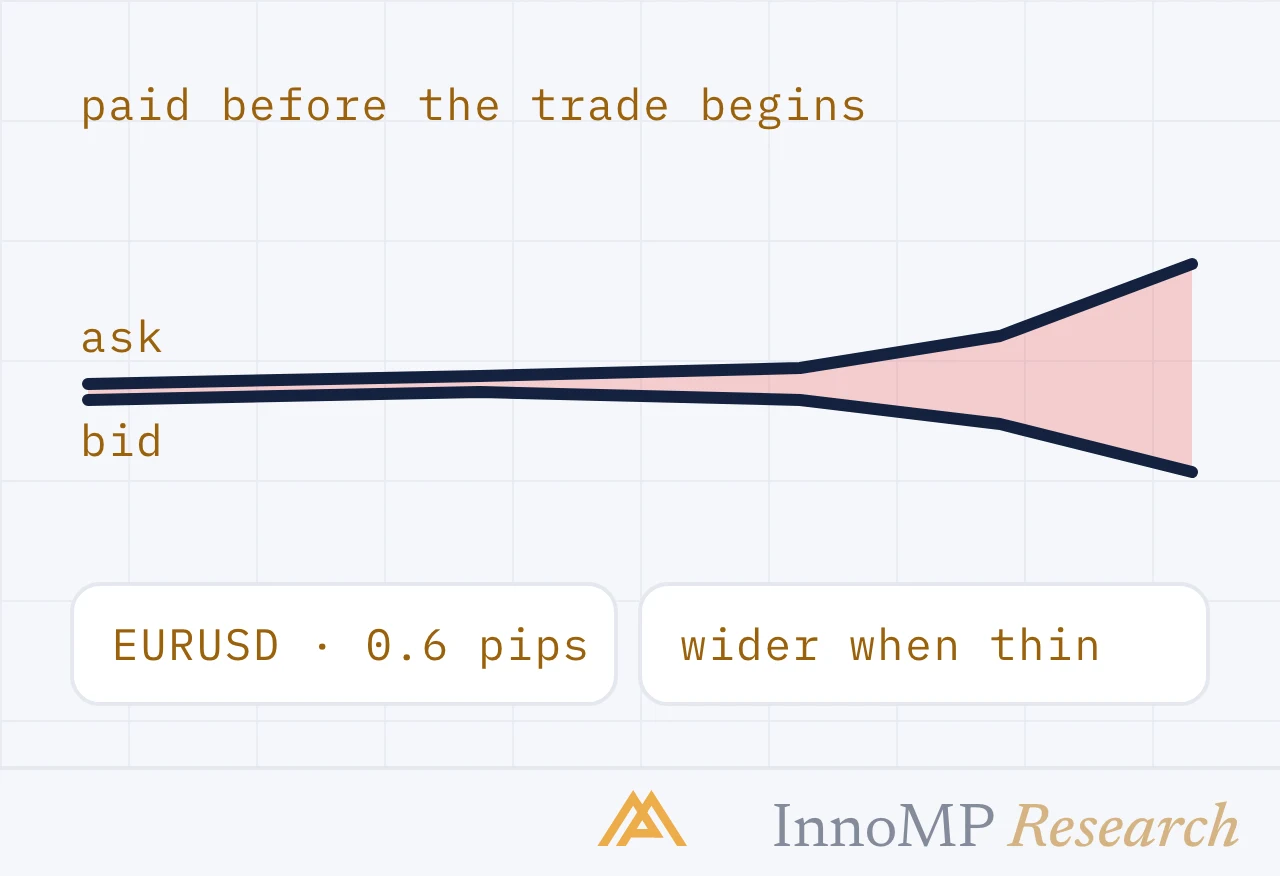
Trading costs
What is the spread? The cost you pay before a trade can be flat
The gap between bid and ask, paid on entry. What sets it, when it widens, raw-plus-commission versus all-in pricing, and how to measure the spread you pay.
9 min read
The gap between bid and ask, paid on entry. What sets it, when it widens, raw-plus-commission versus all-in pricing, and how to measure the spread you pay.
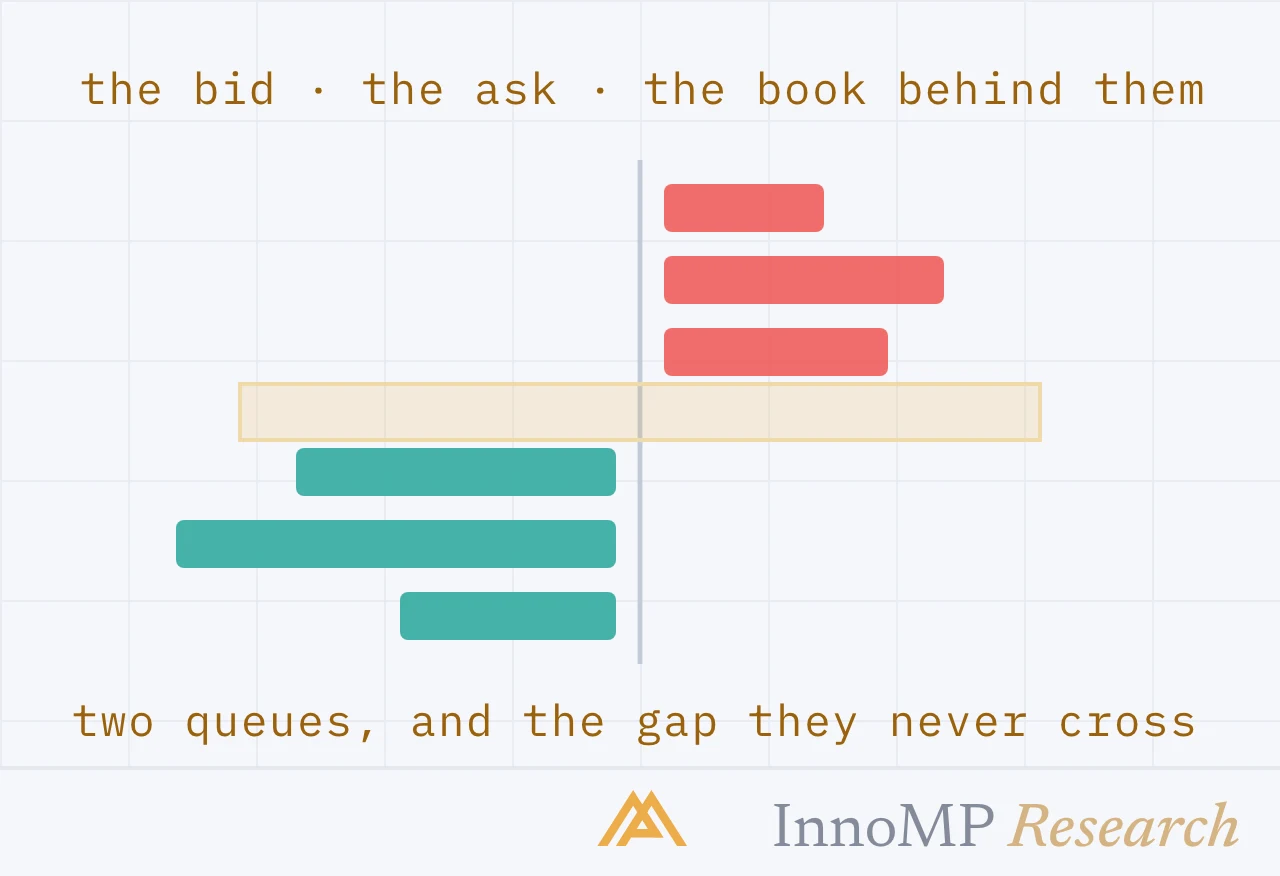
A quote is two prices, not one, and each is the front of a queue of orders. What the bid and ask are, why the spread exists, and what the book behind the quote decides about every fill.
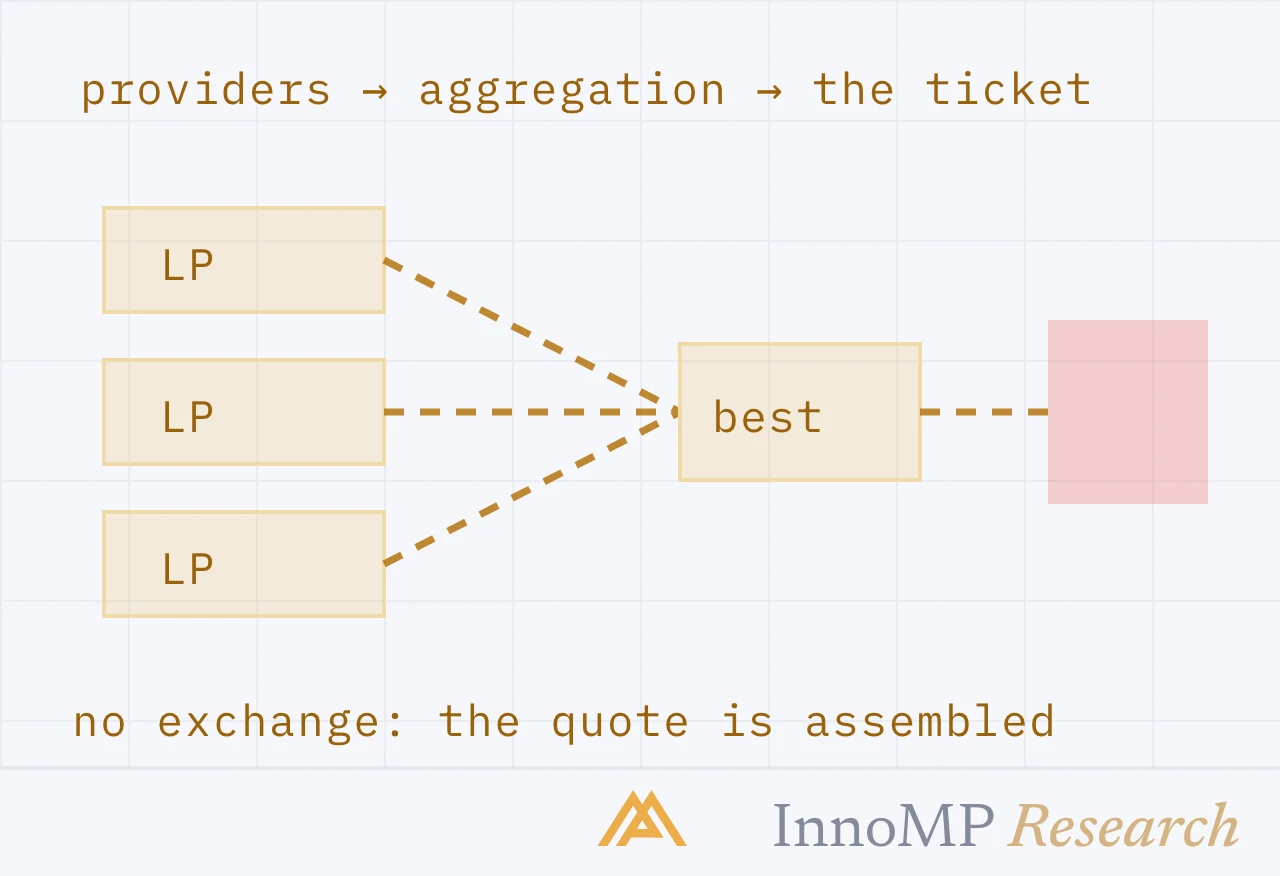
There is no exchange behind a CFD quote. The price on the ticket is assembled from several liquidity providers' streams, and the provider that wins the trade can still decline it. What that means for a fill.
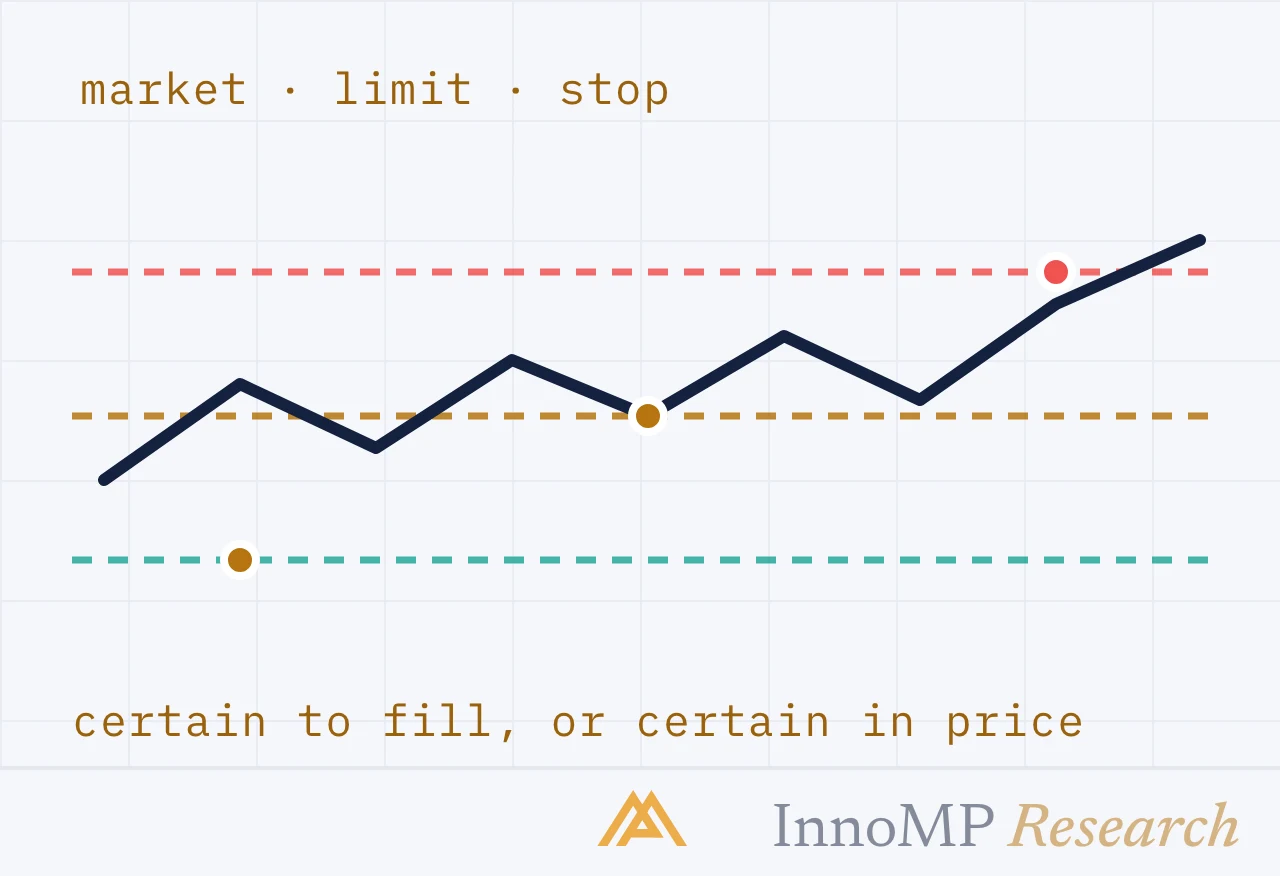
Every order is a choice between certainty of fill and certainty of price. Market orders take what the book offers, limit orders wait to be taken, stop orders become market orders at a trigger.
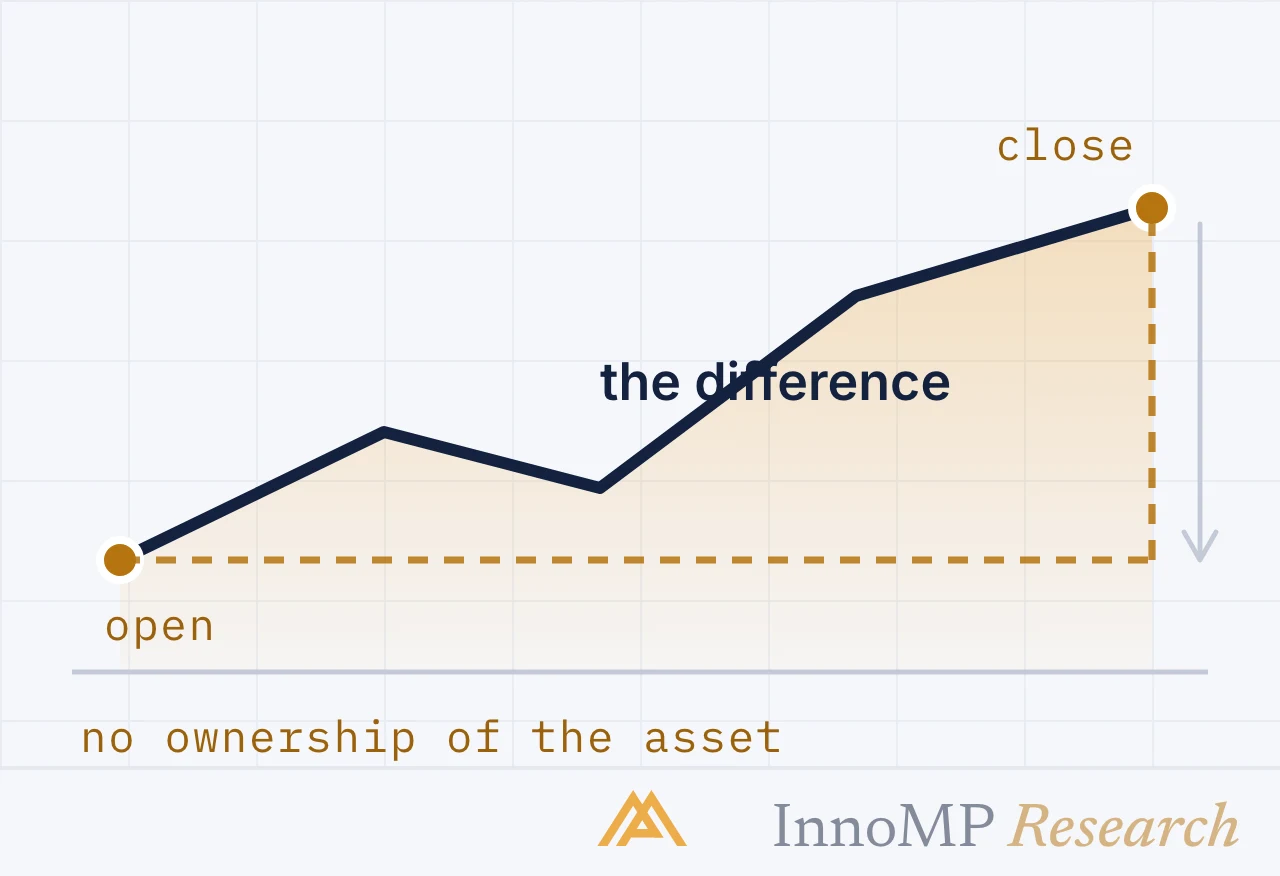
A CFD tracks a market's price without owning the underlying. How the contract works, what leverage does to it, what it costs, and the risks that define the product.
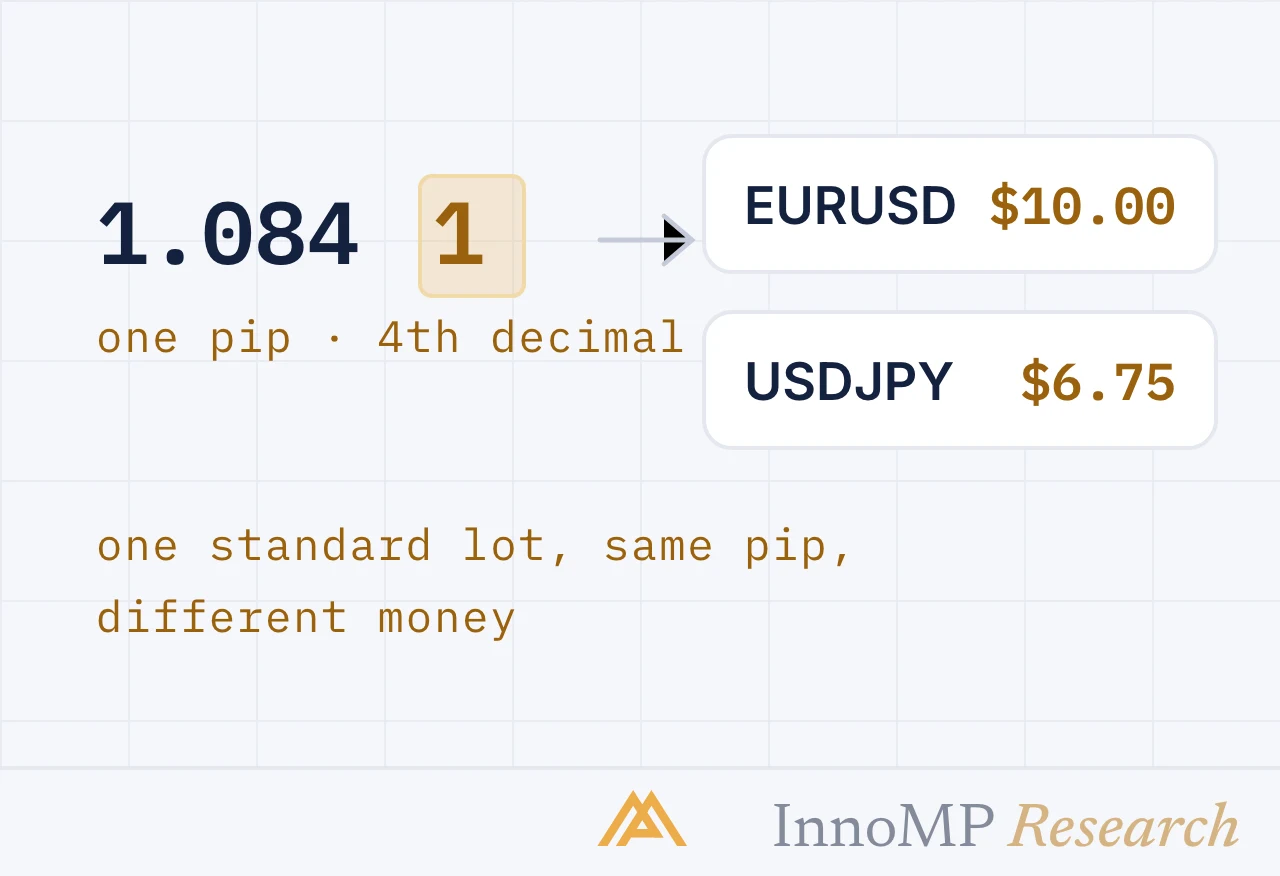
Pip value changes with the pair, the lot size and the account currency. Getting it wrong is the most common reason a trader's actual risk differs from their intended risk.
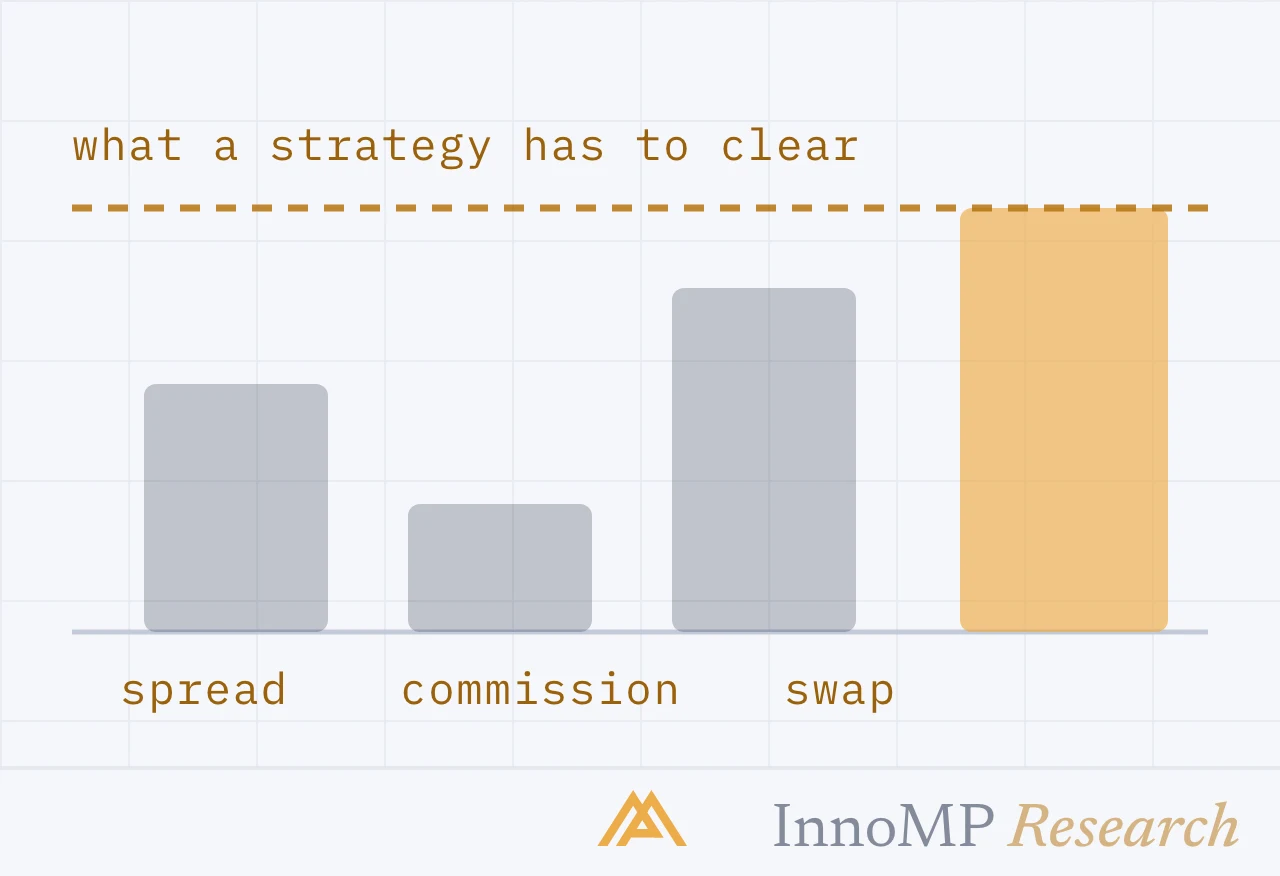
The spread is the cost everyone sees. For anything held longer than a session, financing is usually the larger number — and it compounds quietly.
Trading costsBeginnerMarket structurePlatformsStop-lossLeverageMarginPosition sizing