Market structure
How to trade US100 CFDs: a framework for the Nasdaq-100
Same direction as the S&P 500, bigger swings. Why the Nasdaq-100 moves more, how concentrated it may be, the one-contract lot, and sizing at a higher level.
9 min read
The arithmetic that decides whether a losing run is survivable.
21 articles
Same direction as the S&P 500, bigger swings. Why the Nasdaq-100 moves more, how concentrated it may be, the one-contract lot, and sizing at a higher level.
The dollar is on one side of 88% of currency trades, the euro on 30%. What moves EURUSD, the contract, the two central banks, and sizing for a liquid pair.
The fourth most traded currency, a day that starts at 08:00 London, a 07:00 inflation print into a thin book, a noon Bank of England. Drivers, contract, sizing.
A CFD on crude tracks a monthly futures contract, which changes how oil moves and what it costs to hold. Drivers, the roll, the Wednesday report, and sizing.
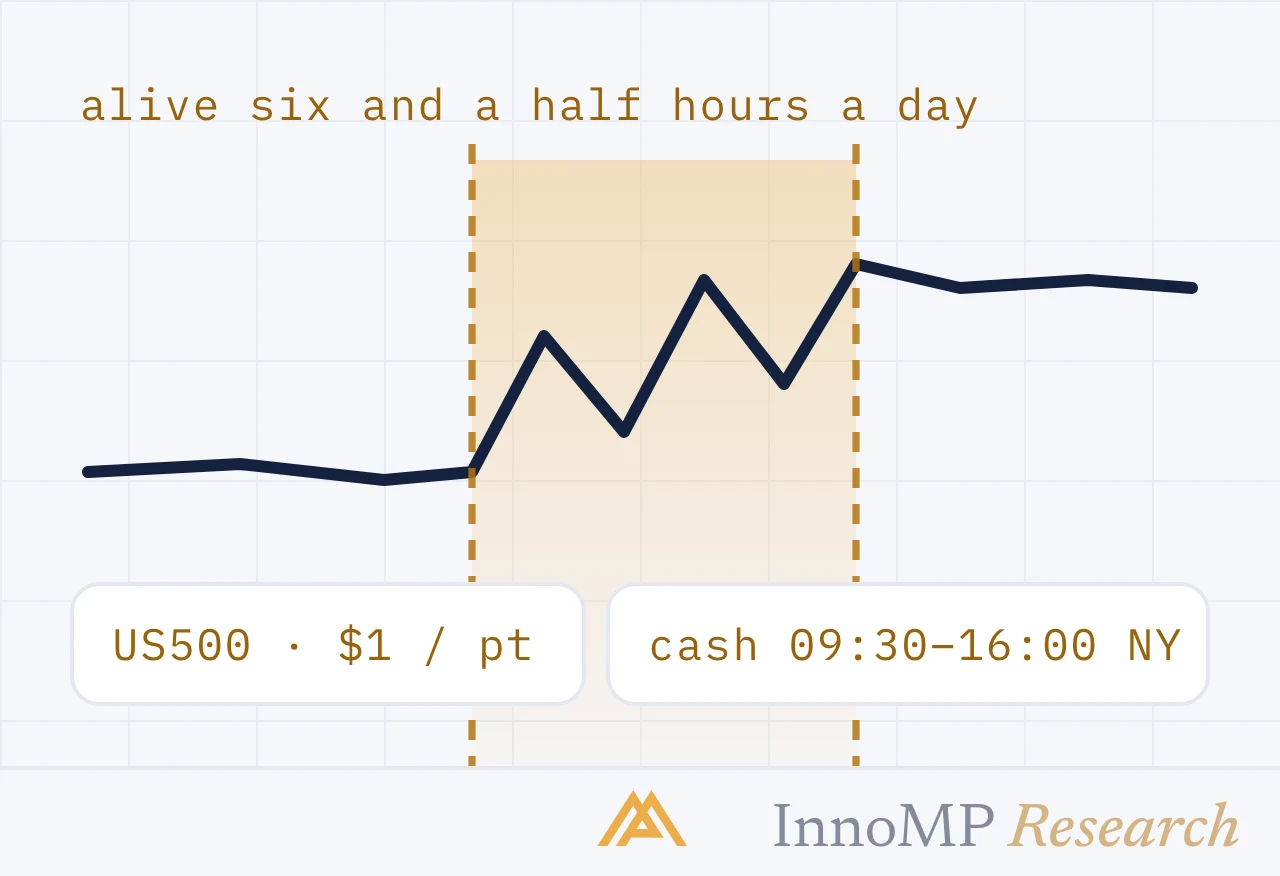
An index CFD quotes all day but is alive for six and a half hours. What moves the S&P 500, the one-contract lot, the cash session, and sizing for an index.
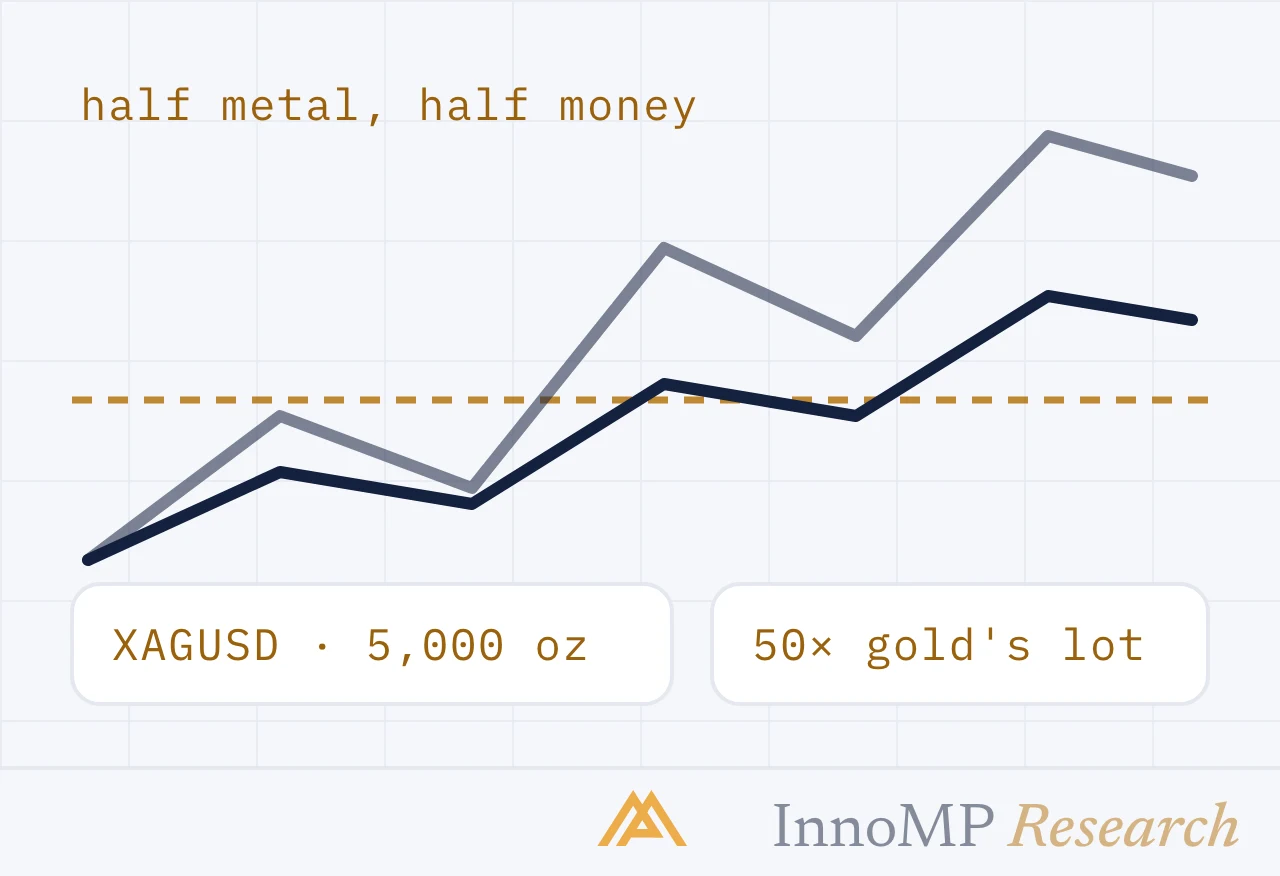
Silver is half metal and half money, so it moves more than gold both ways. What drives it, how the 5,000-ounce contract is sized, and how to size for its range.
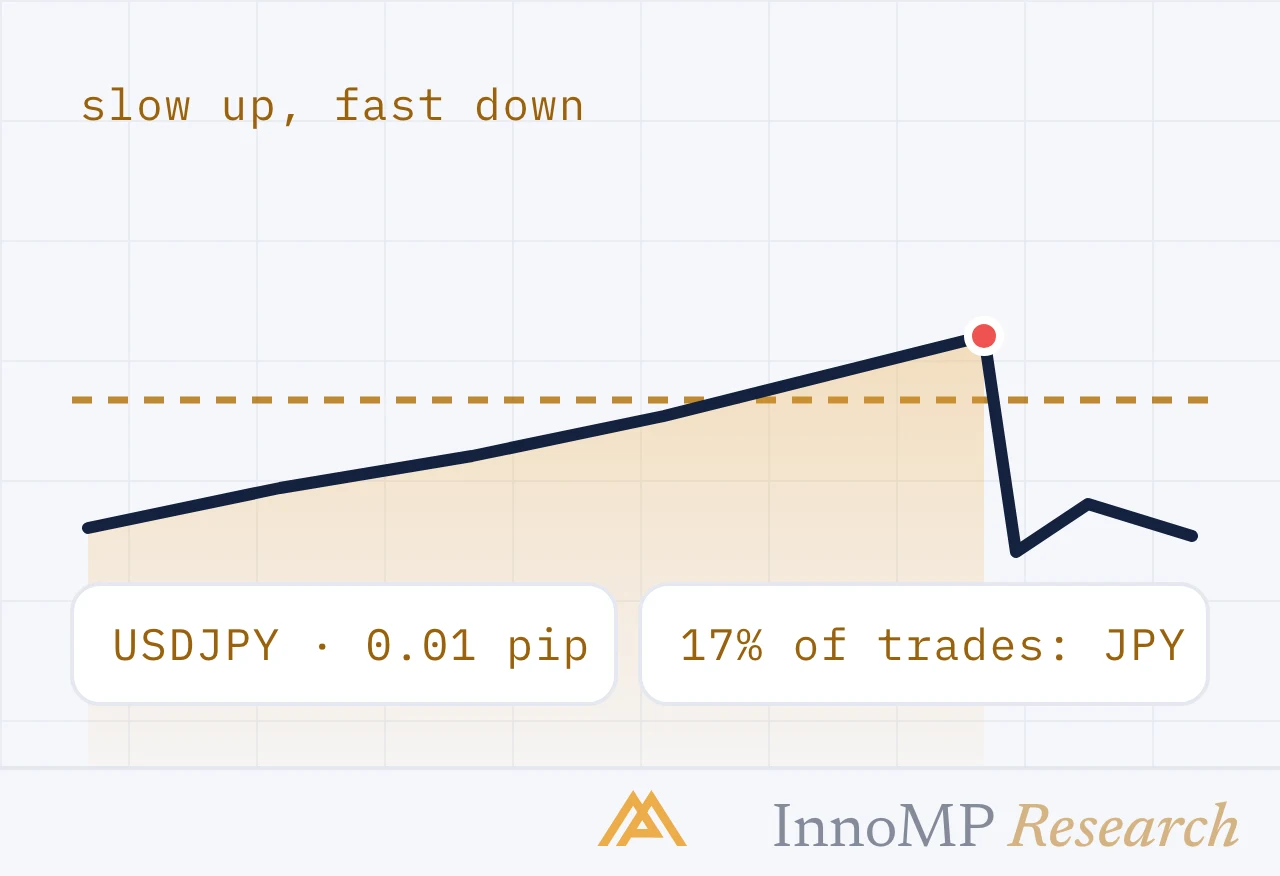
The yen is the third most traded currency, and the pair climbs slowly and falls fast. Rates, the carry trade, intervention, a moving pip value, and sizing.
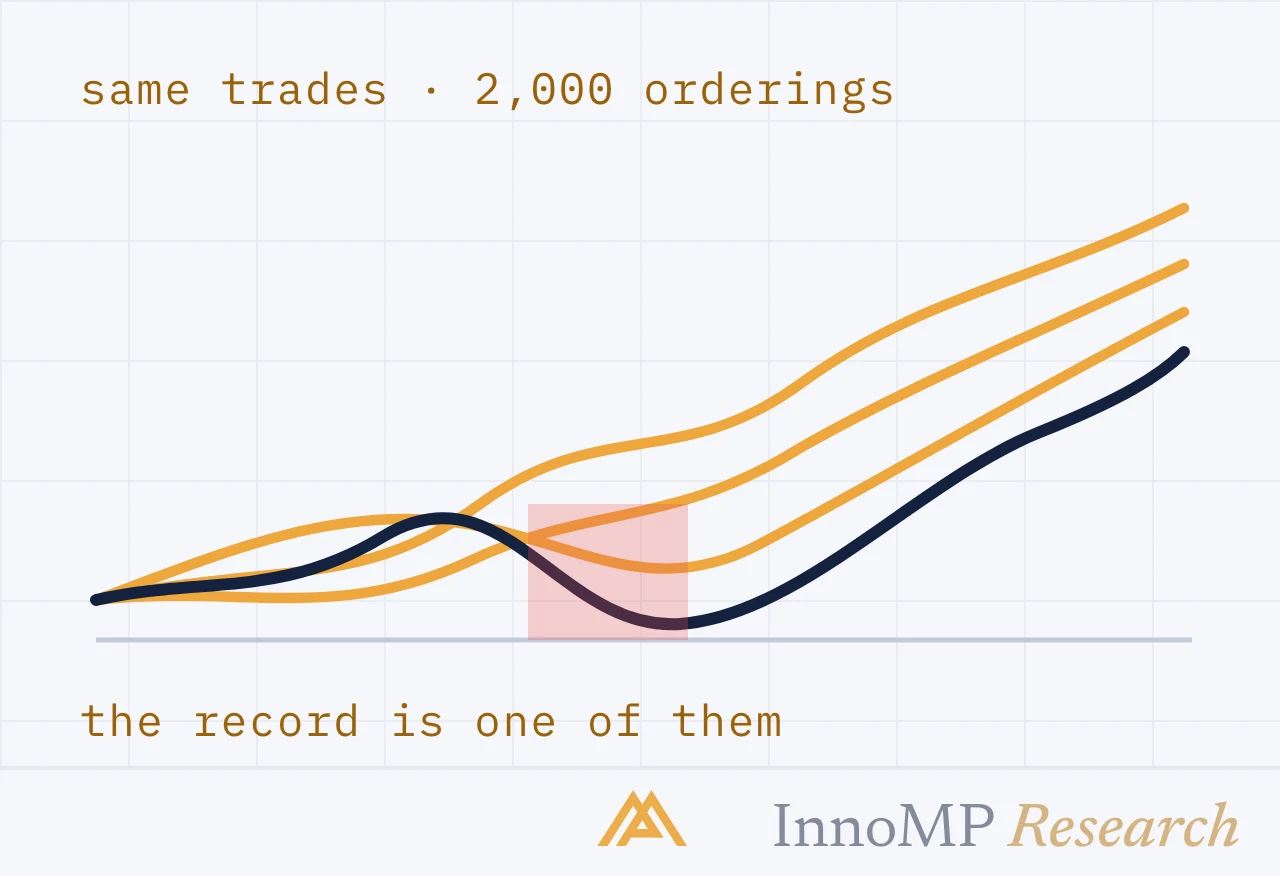
The worst run in the record is one draw of many. How to resample the same trades thousands of times, read the distribution of maximum drawdown and losing streaks it produces, and size so the bad draws are survivable.
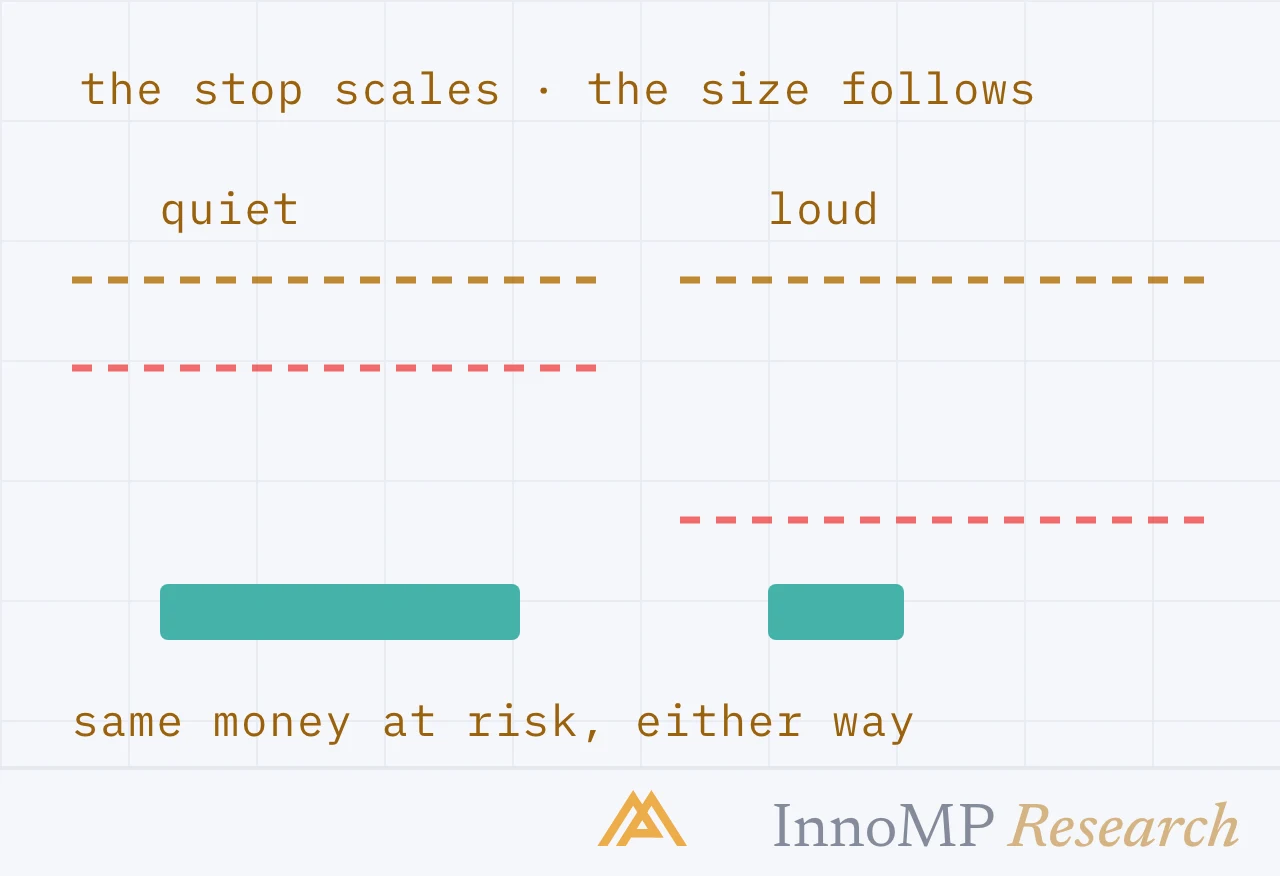
A 30-pip stop is tight in one regime and inside the noise in another. How to place the stop as a multiple of ATR, size the position from it so that risk in money stays constant, and what changes when volatility does.
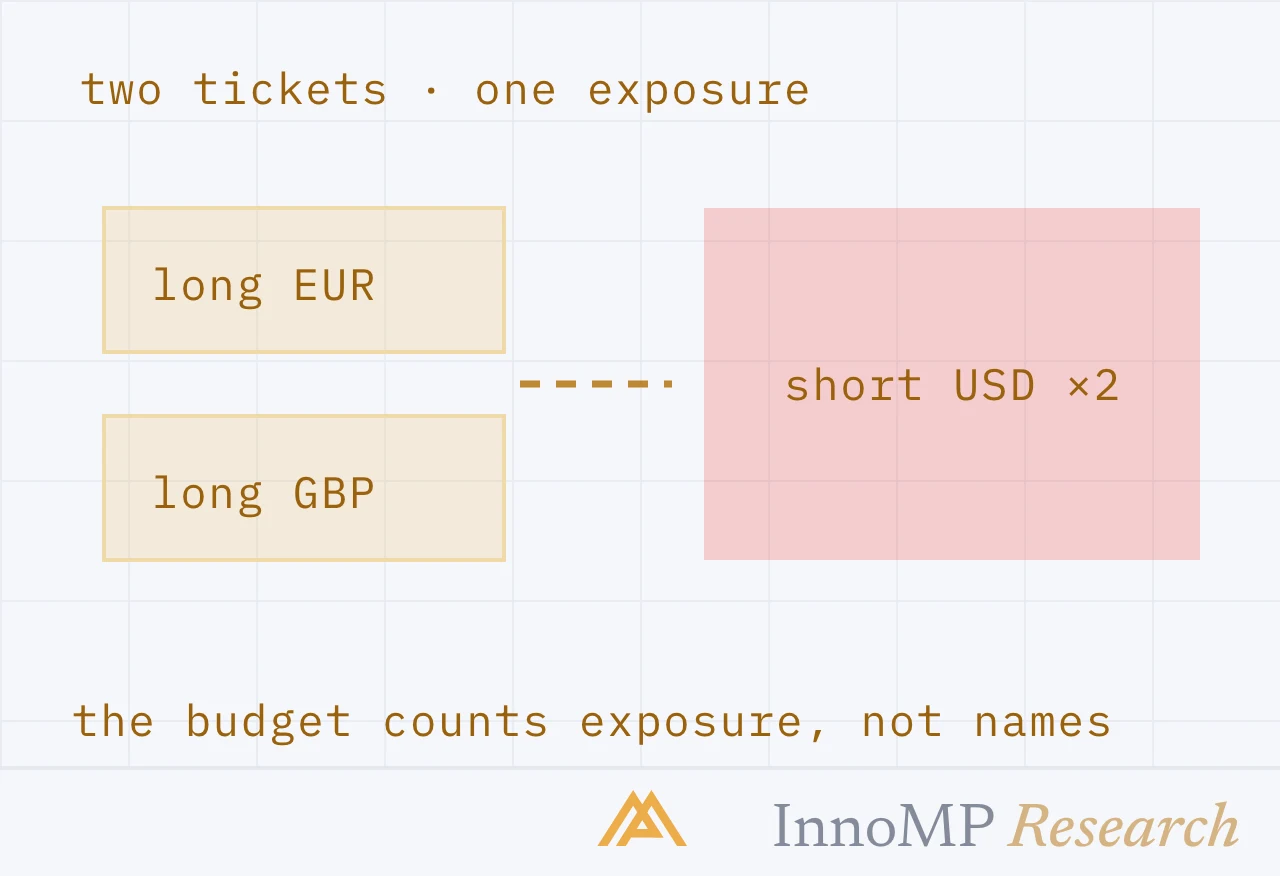
Long EURUSD and long GBPUSD is not two trades. It is one short-dollar position with two names, and the risk budget has to see it that way. How exposure adds up across pairs that share a leg, and how to size for it.

Every closed lot earns points and each month's net deposit sets the multiplier. What the four tiers require, what the estimator implies a lot is worth, and the conditions that quietly decide whether a trade counts.
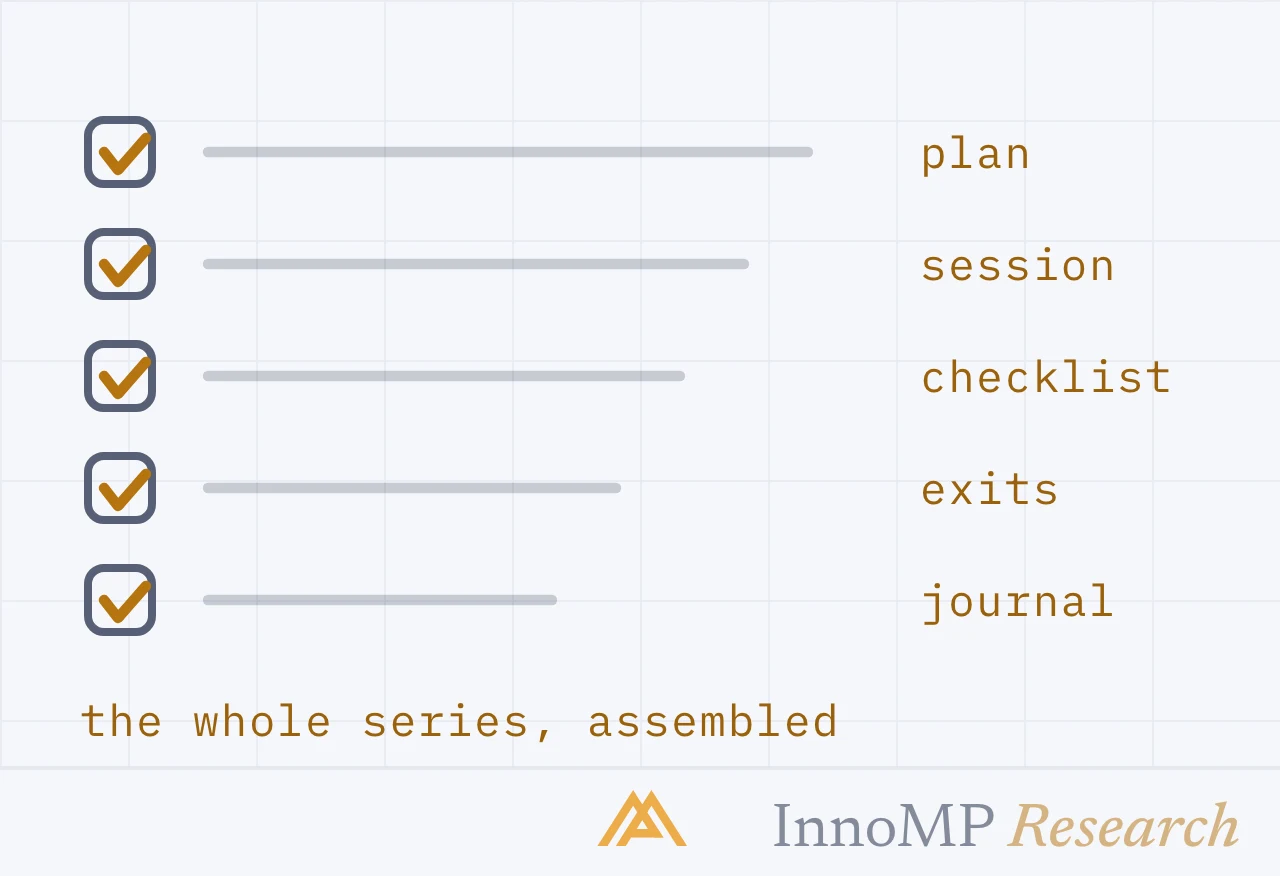
The closing part. What to assemble from this series, in what order, and the honest note about which half of trading actually decides outcomes.
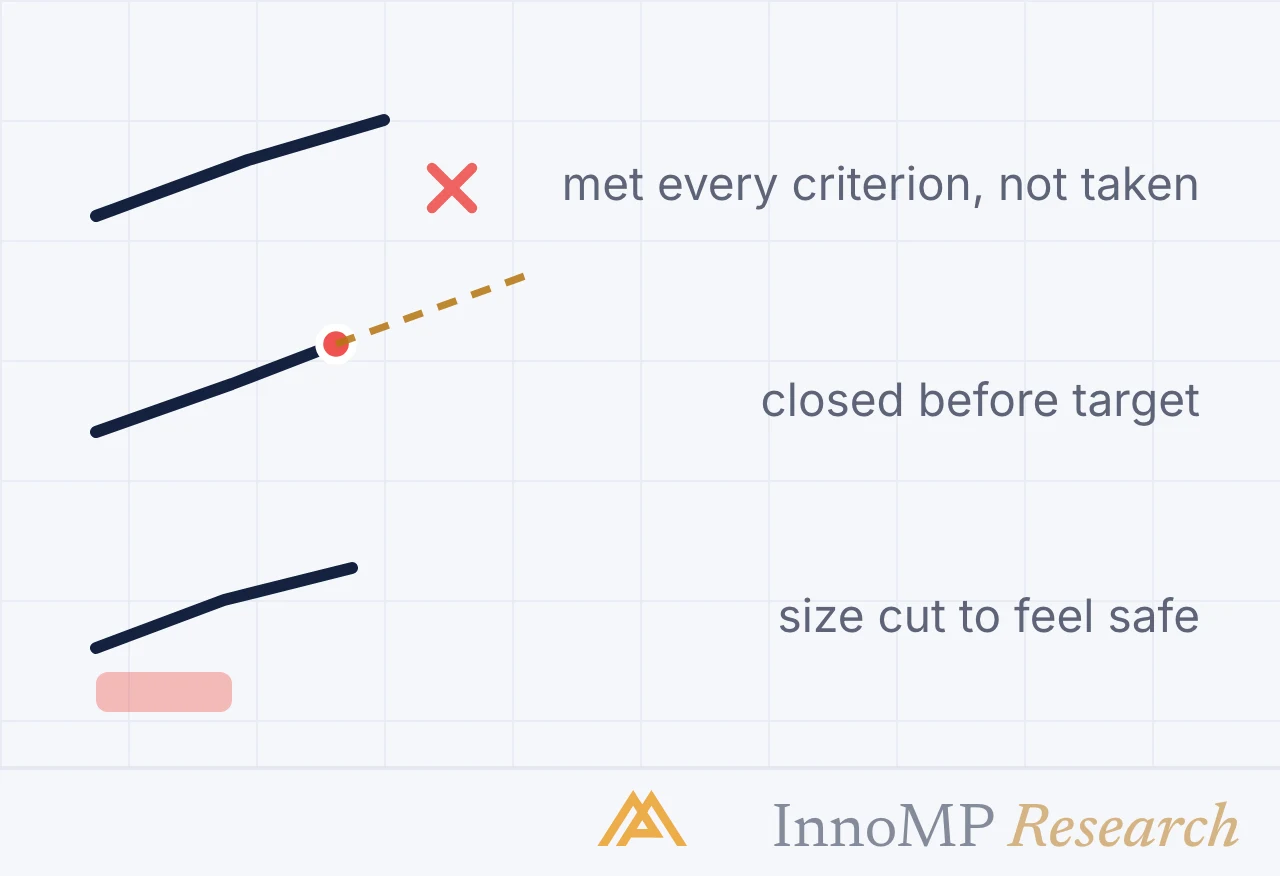
Fear rarely announces itself as fear. It arrives as caution, as a reason to wait, as a good argument for standing aside. How to tell it from genuine risk assessment.
A run of wins feels like skill and is frequently luck. How outcome bias distorts self-assessment, and why the largest losses often follow the best weeks.
Hesitation, early exits, moved stops, revenge trades. Nearly all of them shrink when the position does. Why size is the primary psychological tool, not just a risk one.
Two traders with the same signals get different results. What separates them is not analysis but execution under pressure — and execution is a psychological problem.
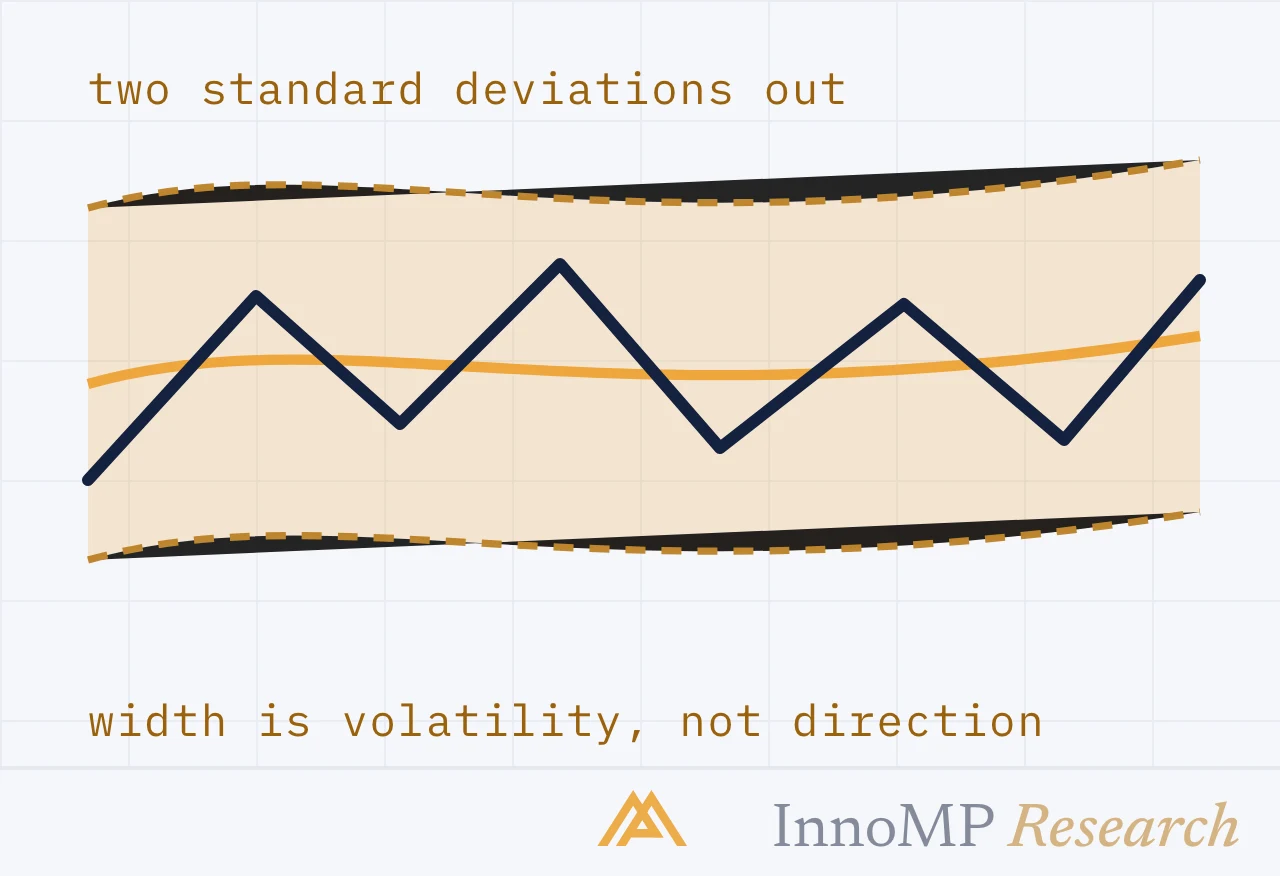
Two tools that answer 'how much does this move?' rather than 'which way?'. Why that question decides your stop distance — and therefore your position size.

Three destinations, two travellers, one pair of requirements. What each tier takes to qualify, which accounts and instruments count, and how to think about the volume targets honestly.
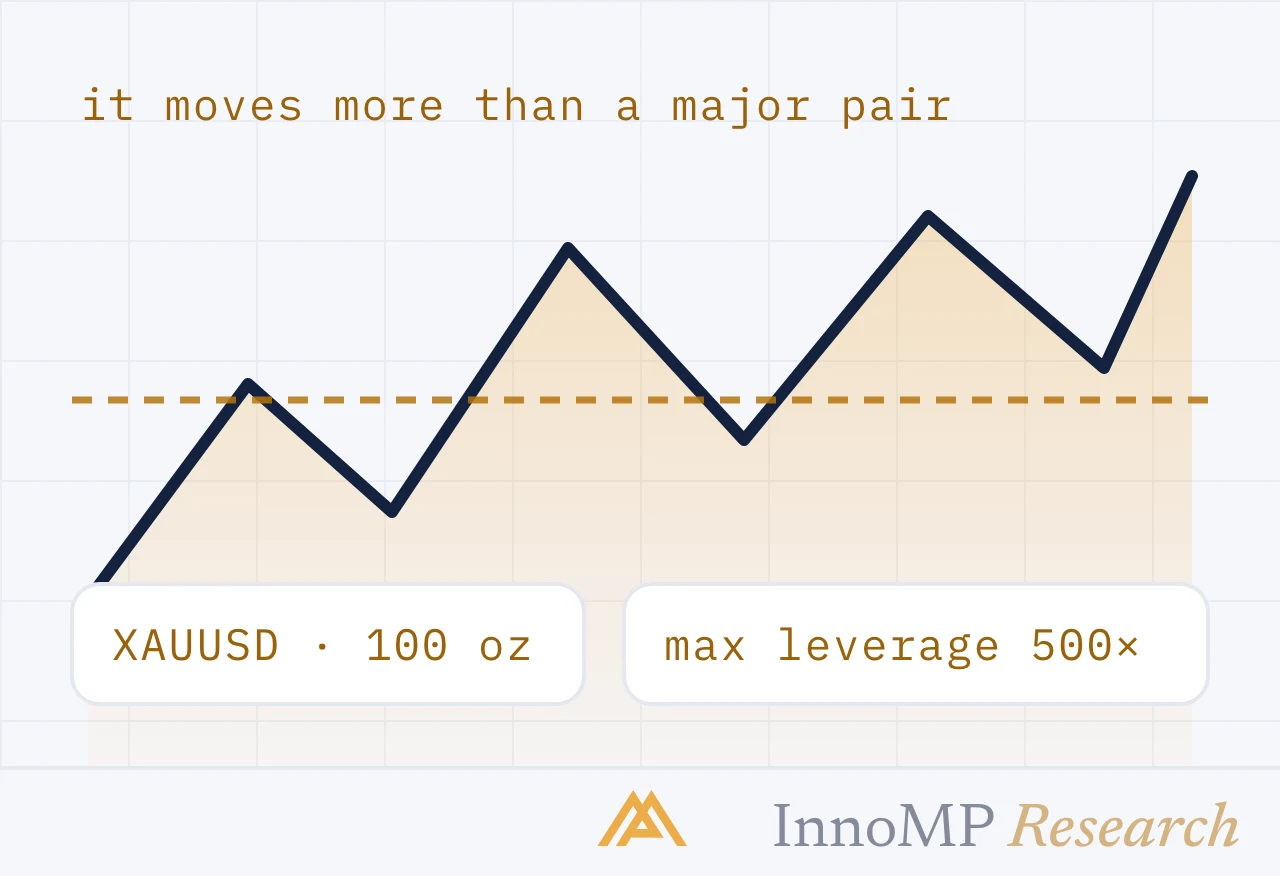
What actually moves gold, how the XAUUSD contract works, the sessions that matter, and a sizing approach that respects the metal's volatility.
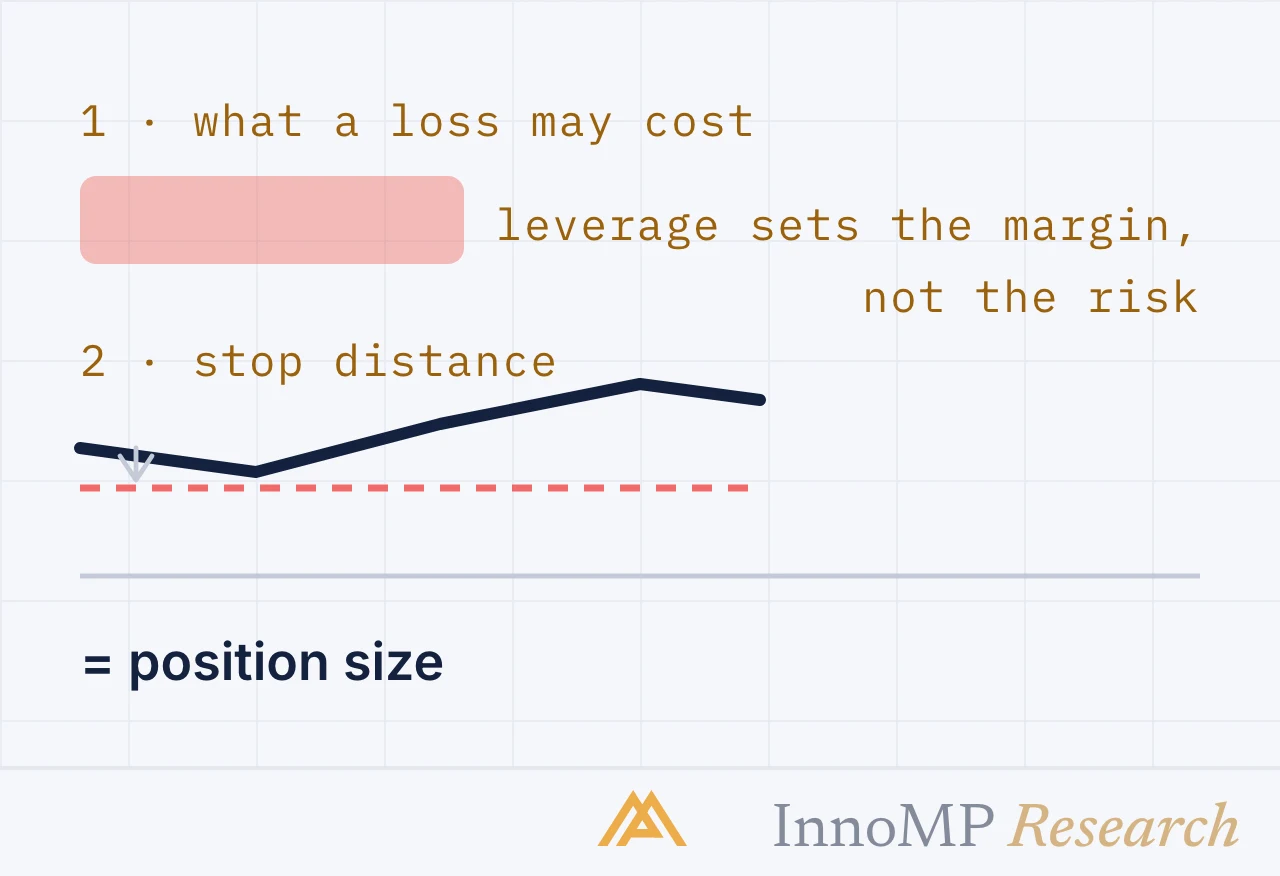
Leverage decides how much margin a trade ties up. Position size decides whether a losing streak ends your account. They are not the same lever, and only one of them is yours to set on every trade.
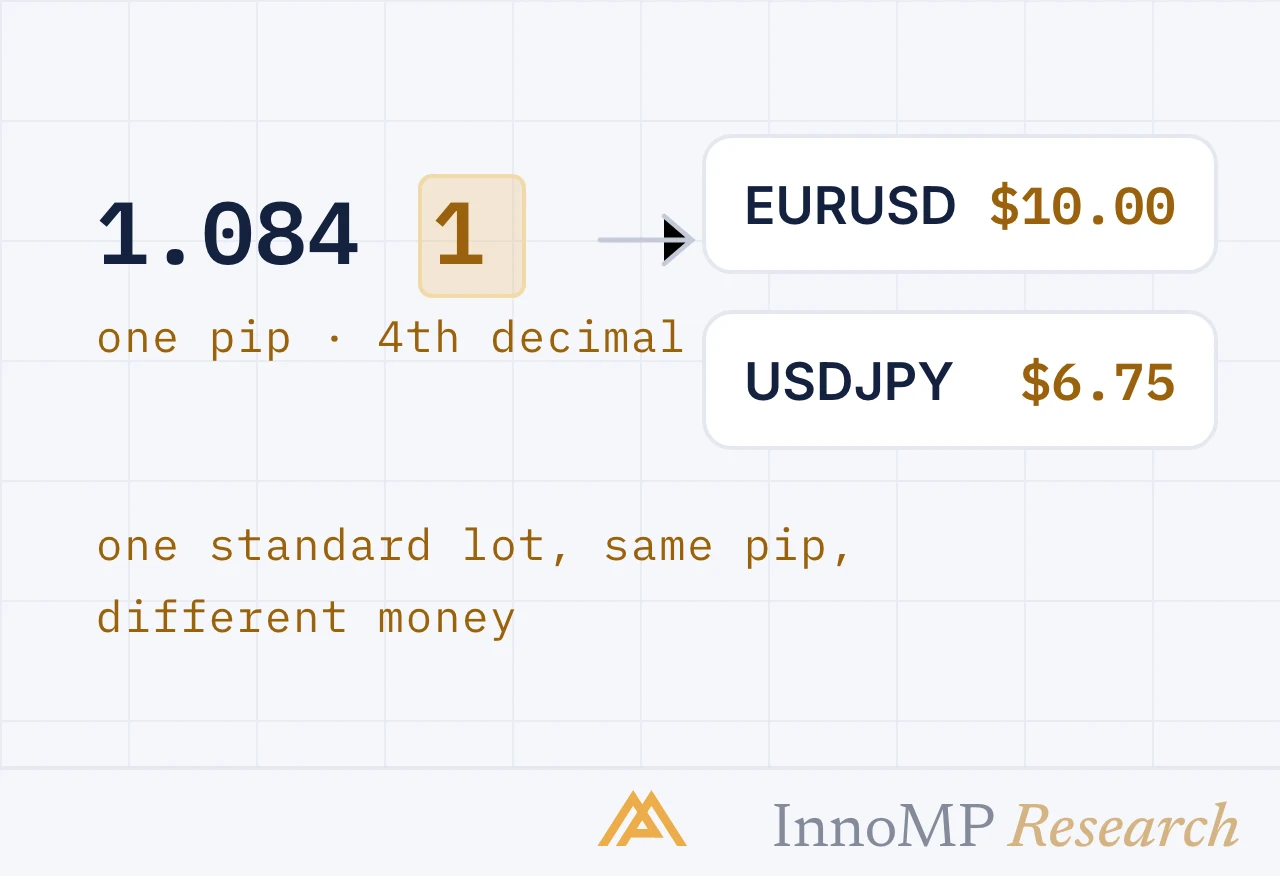
Pip value changes with the pair, the lot size and the account currency. Getting it wrong is the most common reason a trader's actual risk differs from their intended risk.
Market structureMarket hoursTrading costsDrawdownRisk managementStop-lossDisciplineTrading journal