Market structure
How to trade oil CFDs: a framework for WTI crude
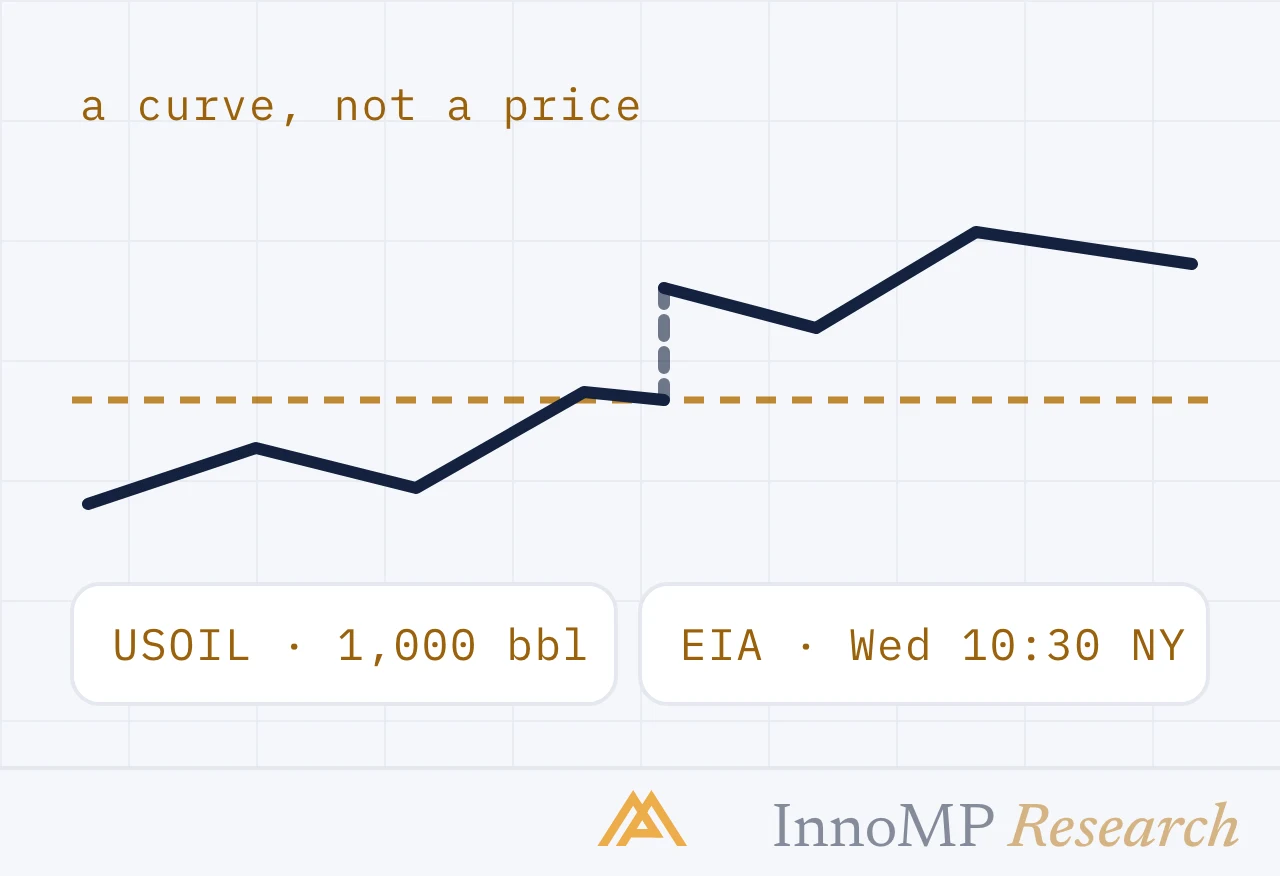
A CFD on crude tracks a monthly futures contract, which changes how oil moves and what it costs to hold. Drivers, the roll, the Wednesday report, and sizing.
8 min read
Spread, commission and overnight financing — the bill a strategy has to clear.
12 articles
A CFD on crude tracks a monthly futures contract, which changes how oil moves and what it costs to hold. Drivers, the roll, the Wednesday report, and sizing.
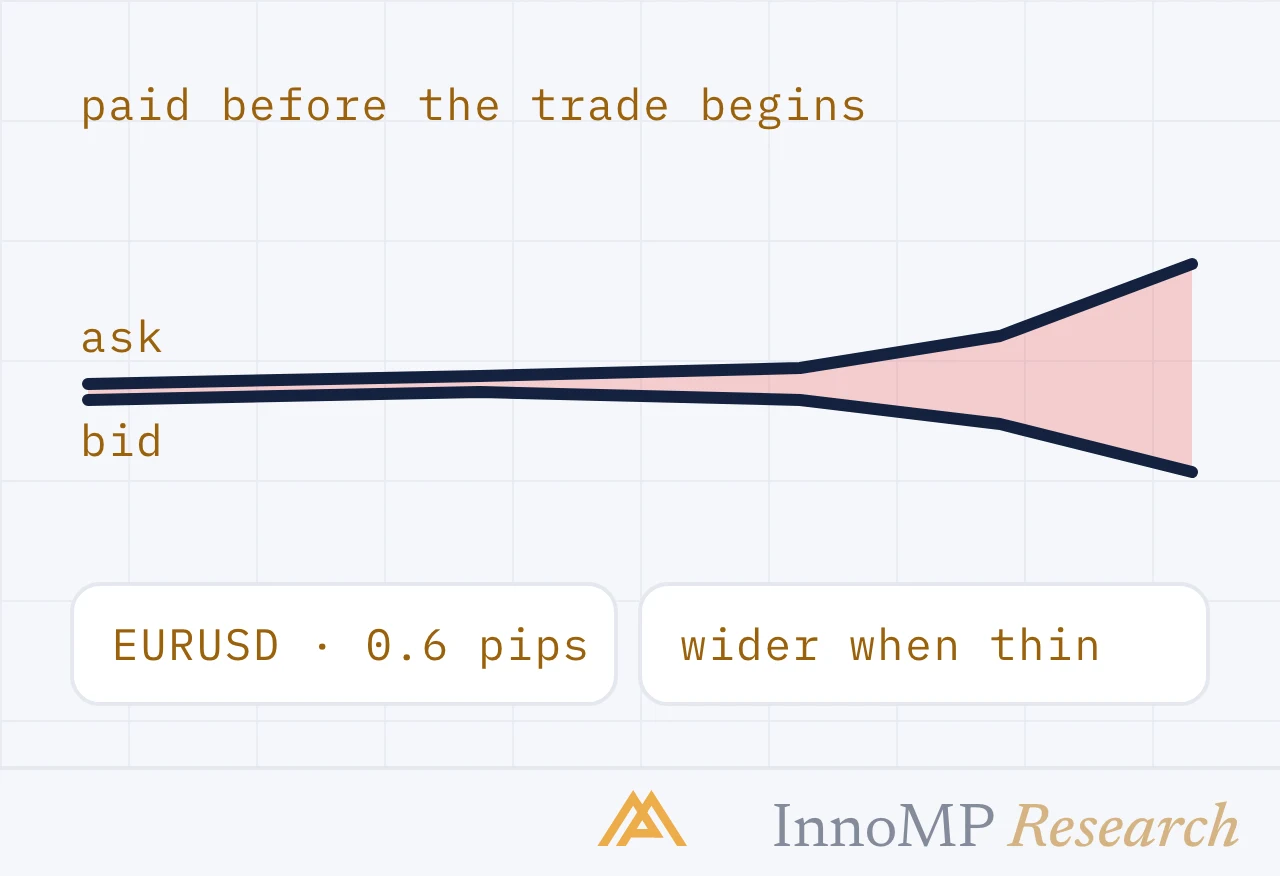
The gap between bid and ask, paid on entry. What sets it, when it widens, raw-plus-commission versus all-in pricing, and how to measure the spread you pay.
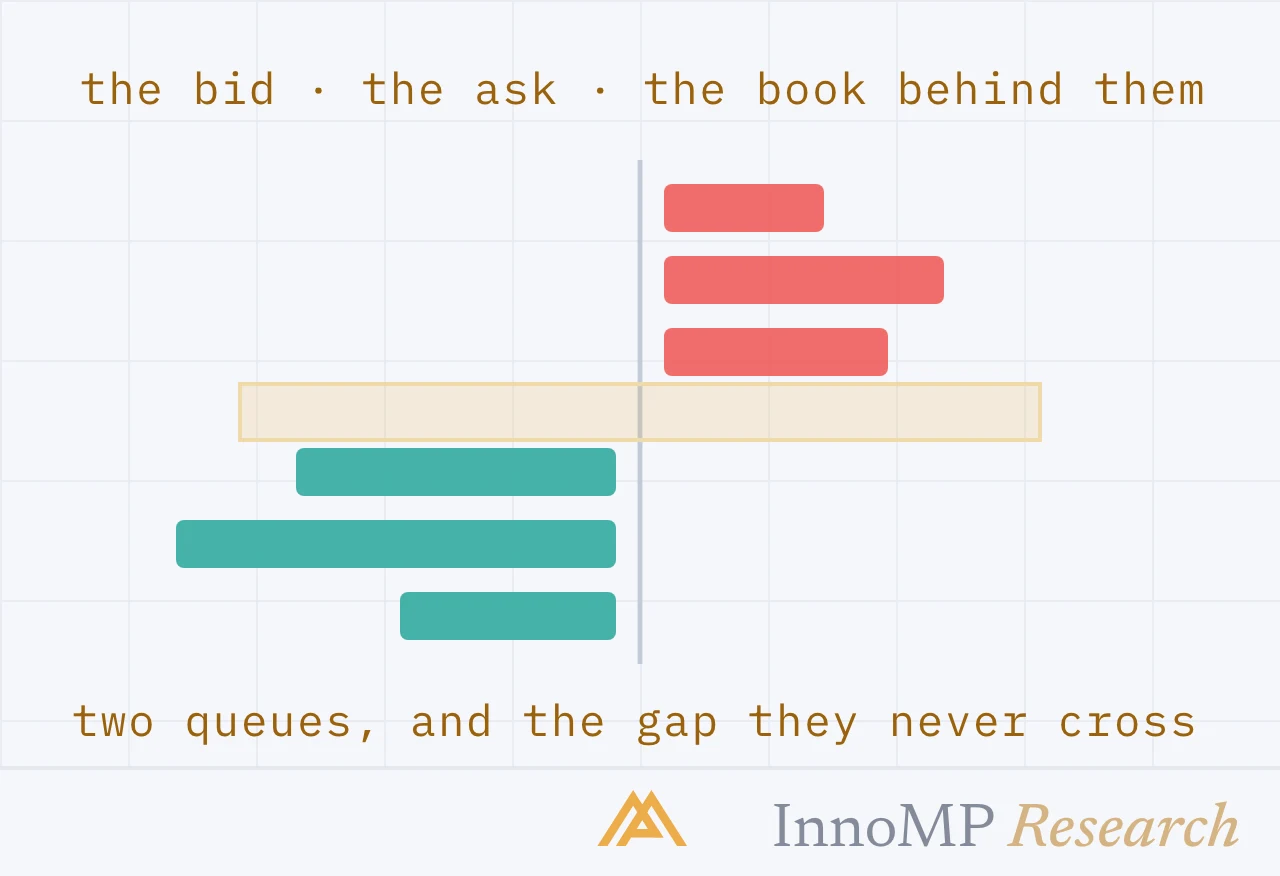
A quote is two prices, not one, and each is the front of a queue of orders. What the bid and ask are, why the spread exists, and what the book behind the quote decides about every fill.
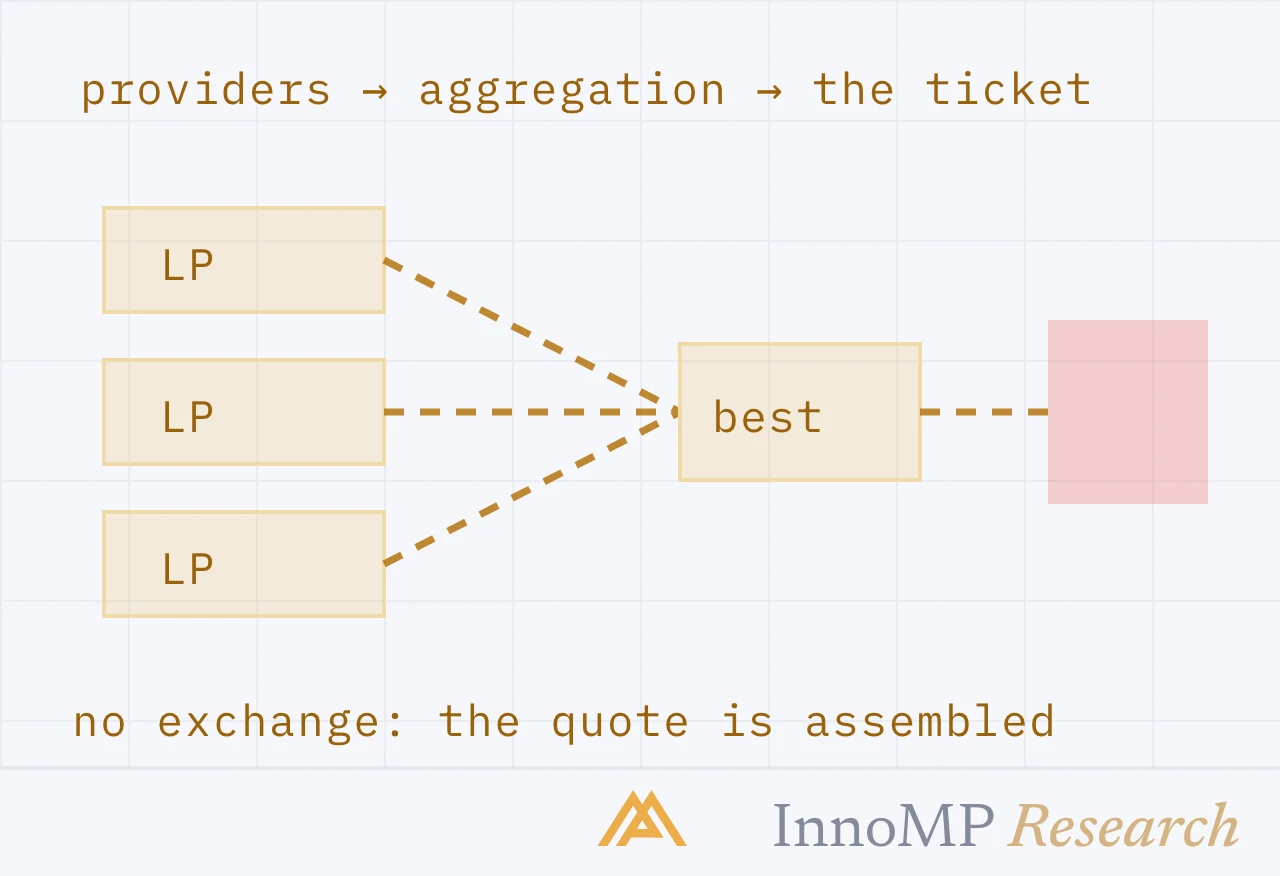
There is no exchange behind a CFD quote. The price on the ticket is assembled from several liquidity providers' streams, and the provider that wins the trade can still decline it. What that means for a fill.
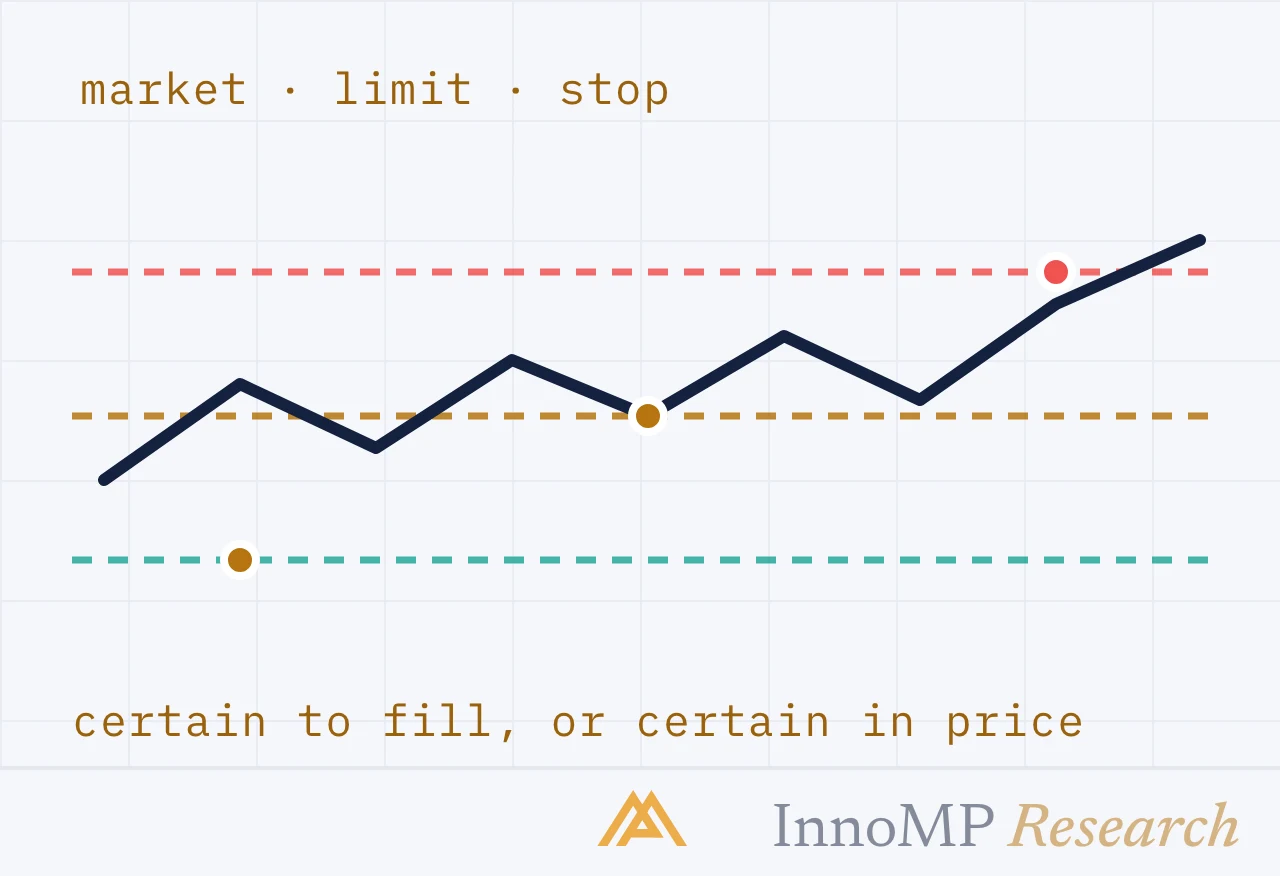
Every order is a choice between certainty of fill and certainty of price. Market orders take what the book offers, limit orders wait to be taken, stop orders become market orders at a trigger.
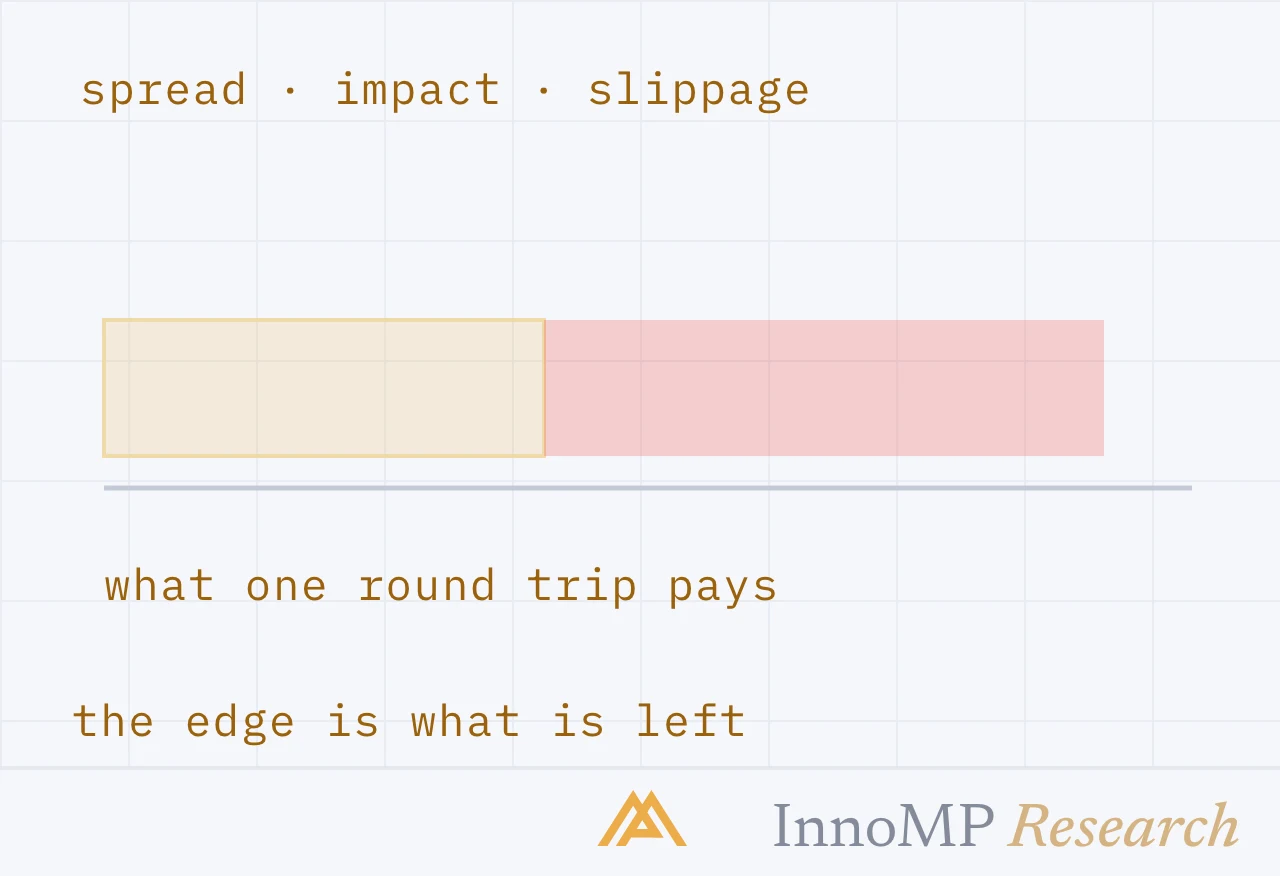
The spread is the visible cost. Depth decides whether that spread is available for your size, and slippage is the gap between the price you saw and the price you got. Why an edge is measured after all three.

Every closed lot earns points and each month's net deposit sets the multiplier. What the four tiers require, what the estimator implies a lot is worth, and the conditions that quietly decide whether a trade counts.
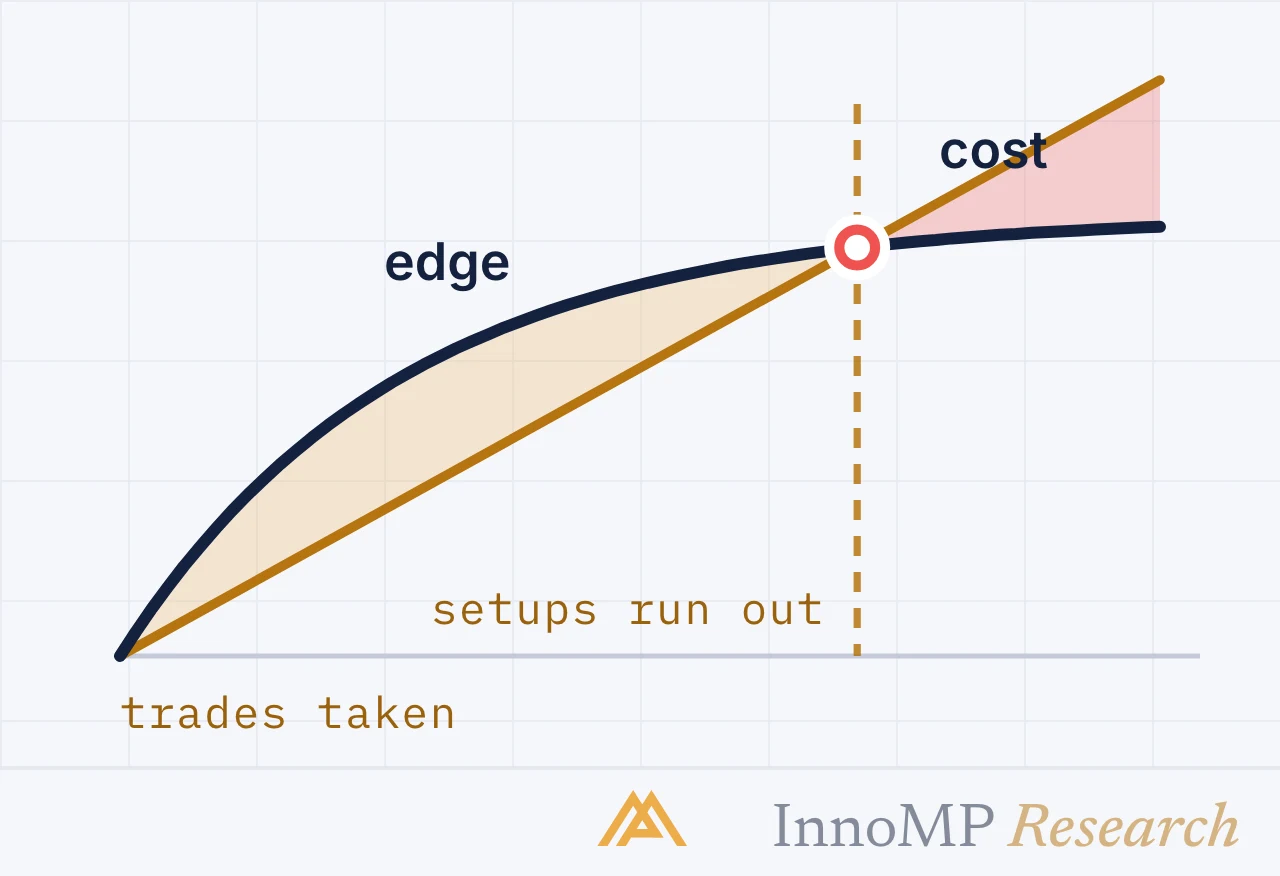
Most of the time there is no setup. Traders who cannot tolerate that find one anyway, and pay the spread for the privilege.
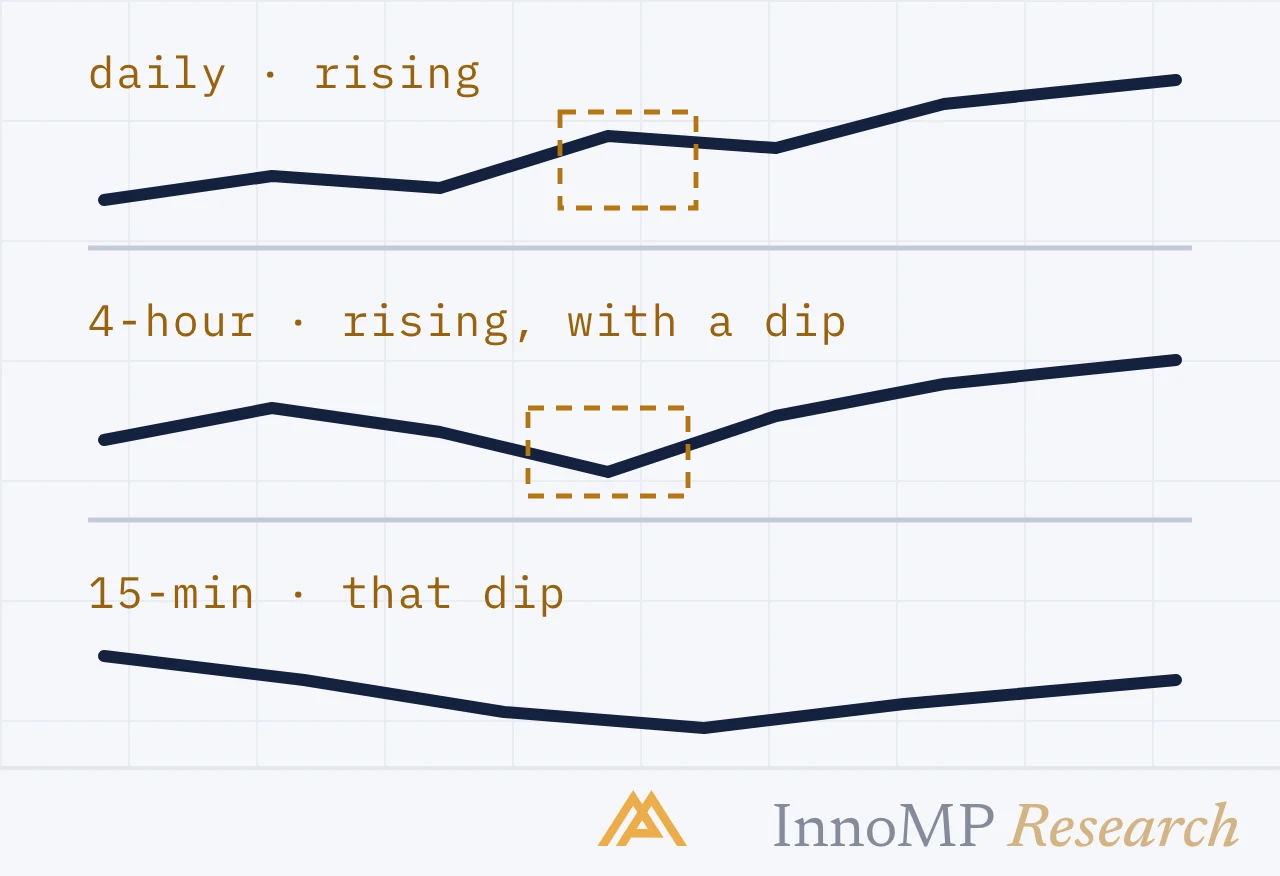
The 5-minute and the daily chart show the same market and can look completely different. This guide explains what a timeframe is, how to pick one, and why traders use two together.

Three destinations, two travellers, one pair of requirements. What each tier takes to qualify, which accounts and instruments count, and how to think about the volume targets honestly.
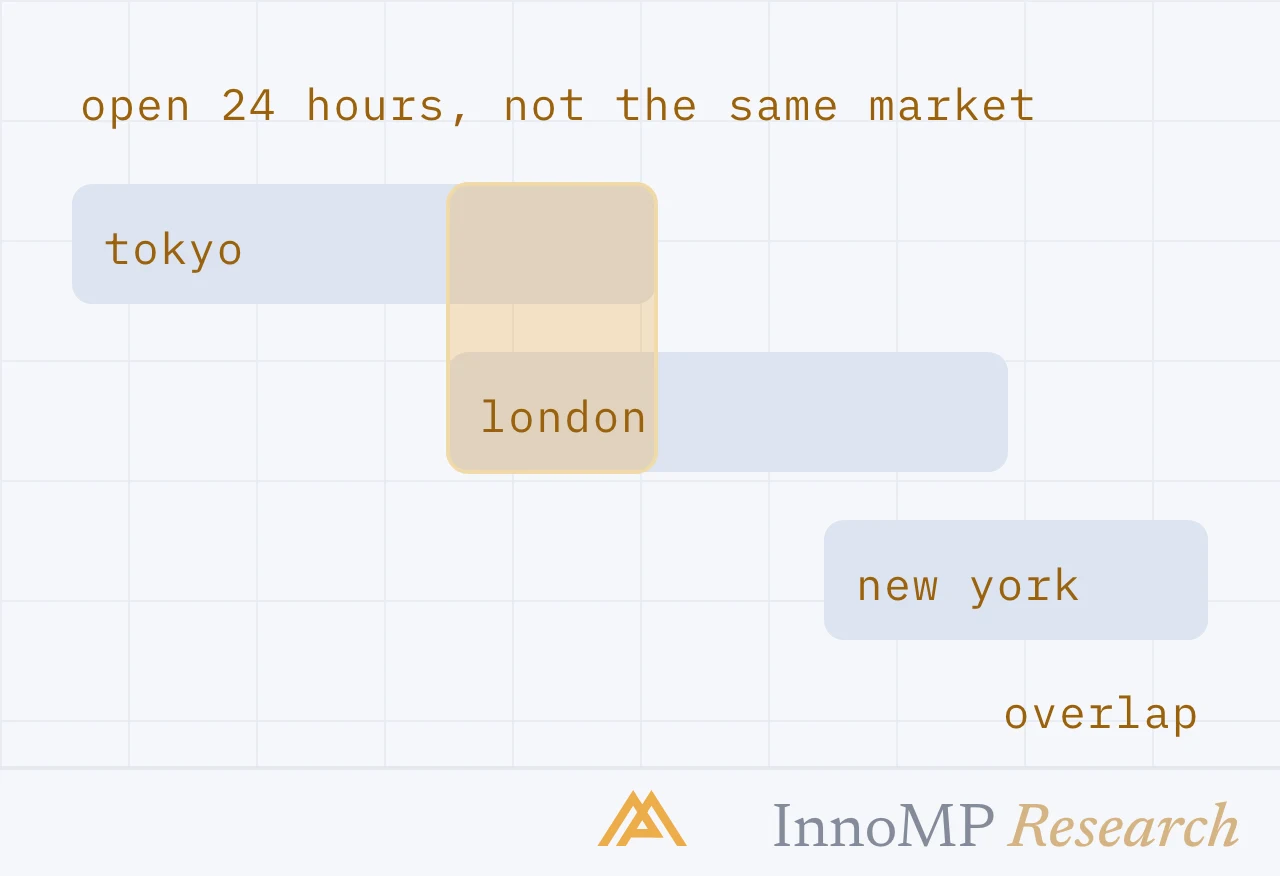
The forex market runs around the clock but not uniformly. What each session trades like, why the London–New York overlap dominates, and the hours that quietly cost money.
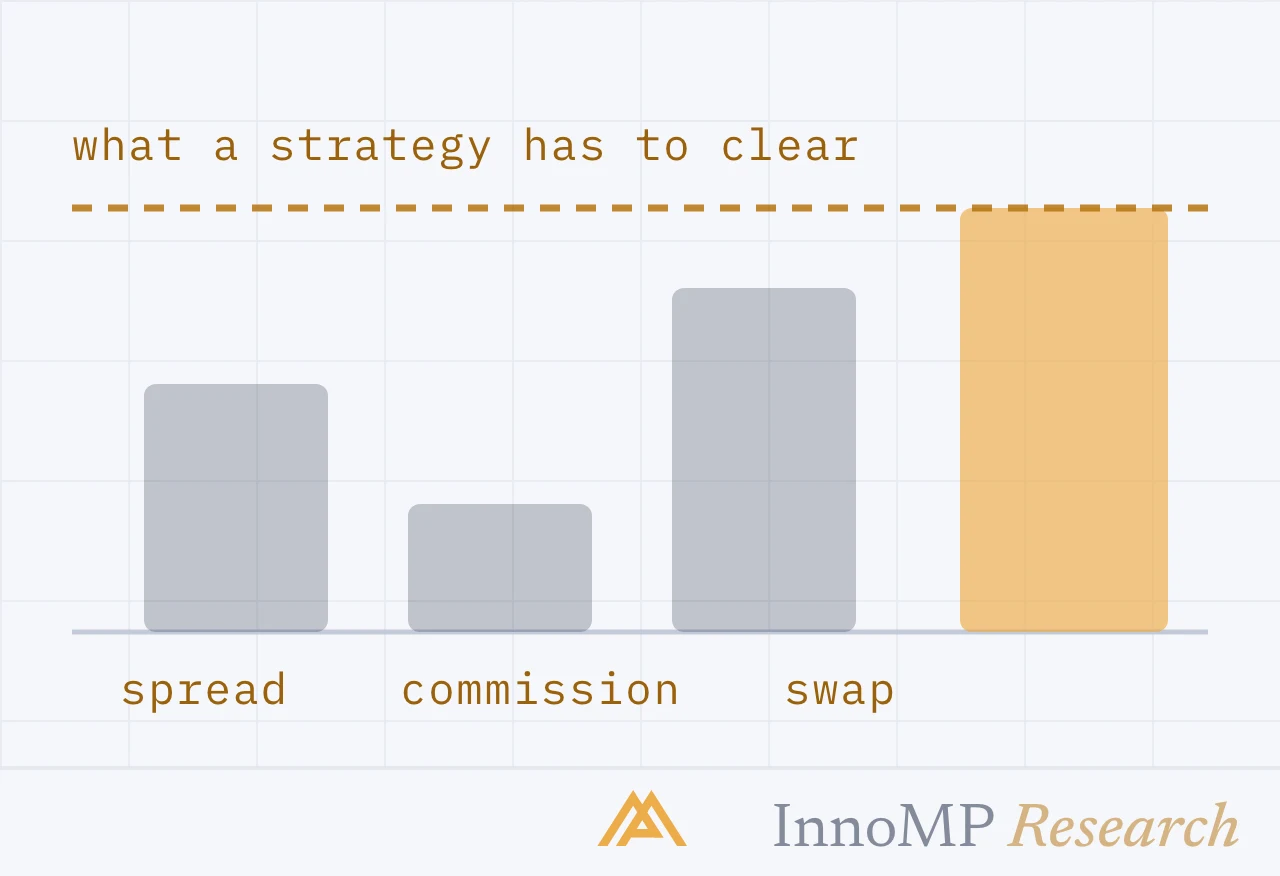
The spread is the cost everyone sees. For anything held longer than a session, financing is usually the larger number — and it compounds quietly.
Market structurePosition sizingCFD basicsBeginnerPlatformsStop-lossMarket hoursRisk management