A stop-loss belongs where the reason for the trade no longer applies — beyond the level the trade depends on, or where the trend structure breaks — and position size is then calculated from that distance. Stops at round numbers, exactly at swing lows, at a fixed pip distance for every instrument, or at whatever distance justifies a desired size sit inside ordinary noise and fail predictably. A stop may only move toward reducing risk, and across a gap it fills at the next available price.
“Always use a stop loss” is the most repeated advice in trading and among the least useful, because it stops one sentence too early. A stop placed badly does not reduce risk. It converts a strategy’s ordinary noise into a steady sequence of small realised losses.
The two questions a stop answers
A stop-loss serves one purpose: it removes the position at the point where the reason for holding it no longer applies. That gives two independent requirements, and both must hold.
Where is this idea wrong? If the trade rests on a level holding, the stop belongs beyond that level. If it rests on a trend continuing, it belongs where the trend structure breaks. This comes from the chart.
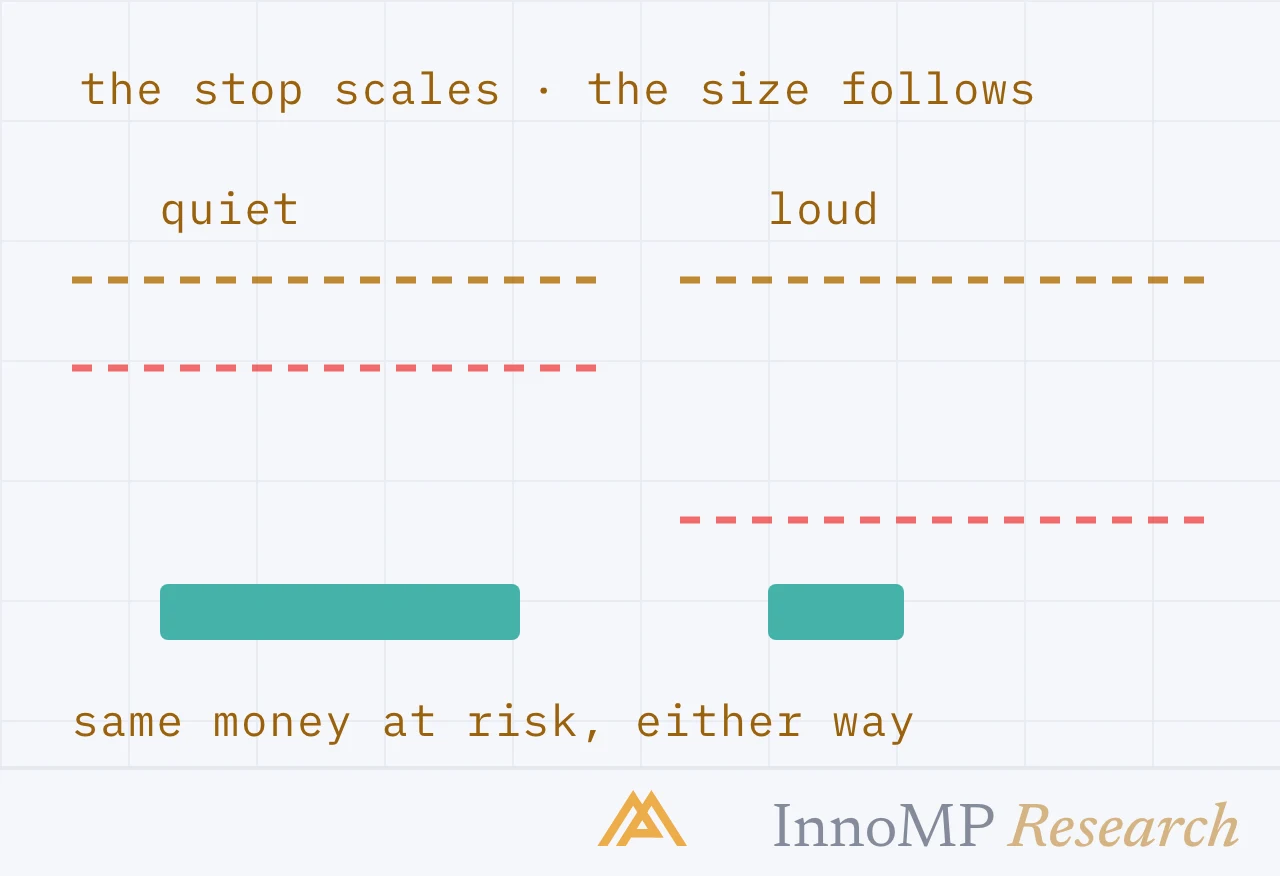
Can the account afford that distance? Once the stop distance is known, position size is arithmetic. This comes from the account.
The order matters enormously. Traders who set the stop from what they can afford to lose, rather than sizing from where the idea fails, end up with stops placed at emotionally comfortable distances that have no relationship to how the instrument actually moves.
Key takeaway The chart decides the stop distance. The account decides the position size. Reversing this produces stops sitting inside ordinary noise, which is the mechanism behind “I keep getting stopped out and then it goes my way”.
Placements that fail predictably
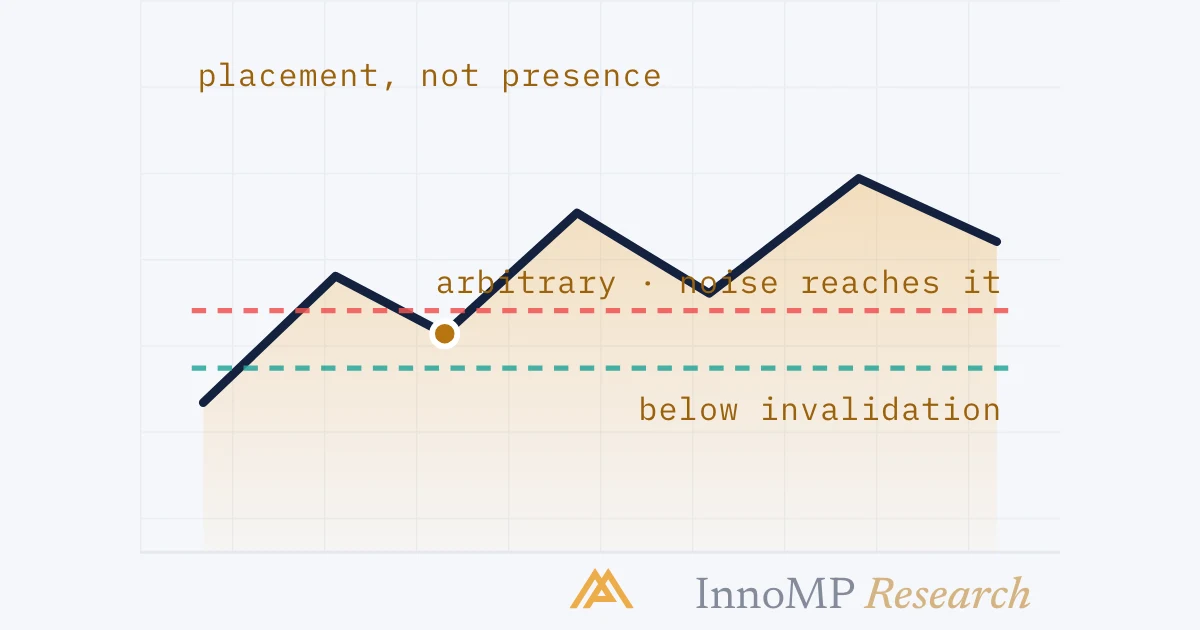
The round number. Stops cluster at 1.0800 and 150.00 because humans like round numbers. Clustered stops are visible liquidity, and price reaches for them more often than a random walk would suggest. Place beyond the cluster, not inside it.
Exactly at the swing low. A stop one tick below the obvious swing point is inside the range of ordinary probing. Beyond the level with a buffer sized to actual volatility survives the wick that a stop at the level does not.
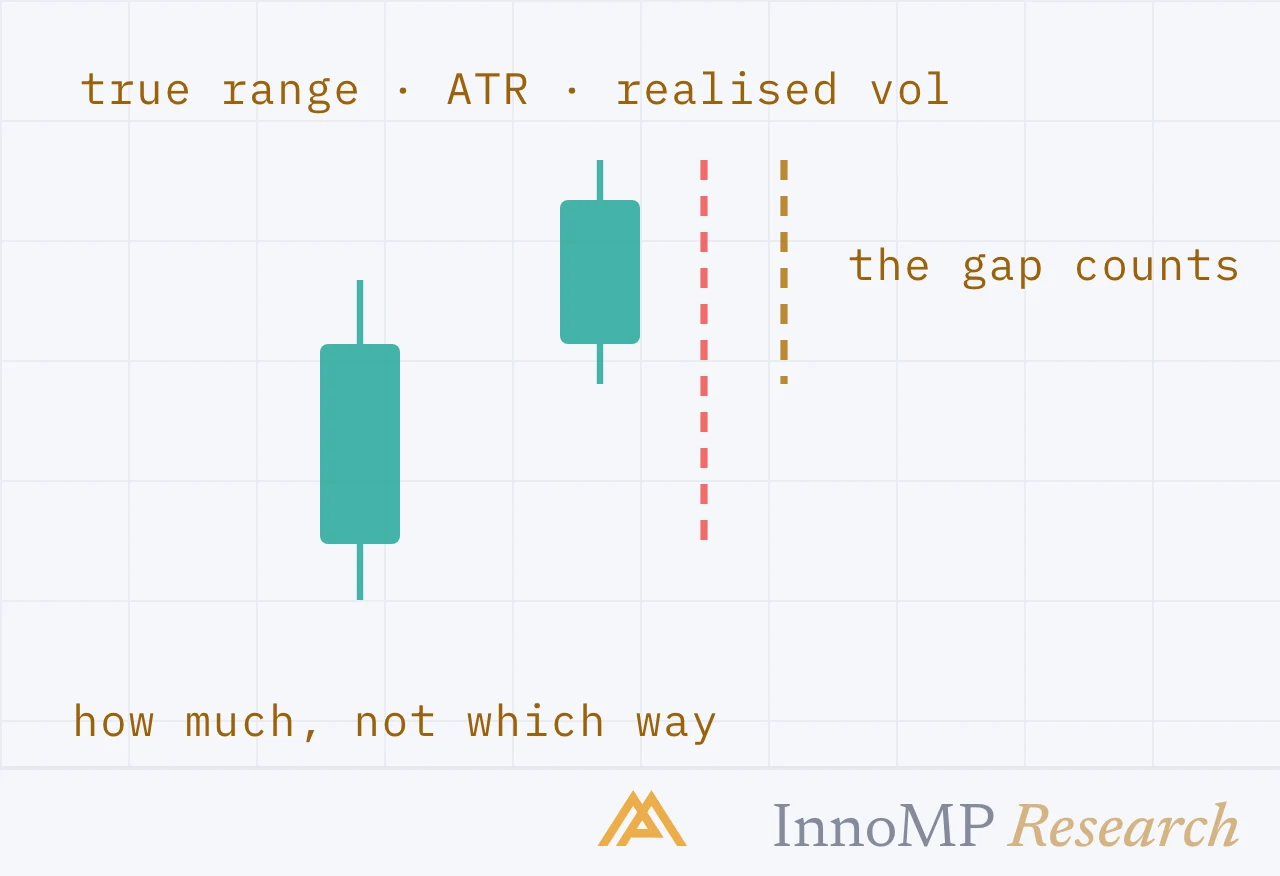
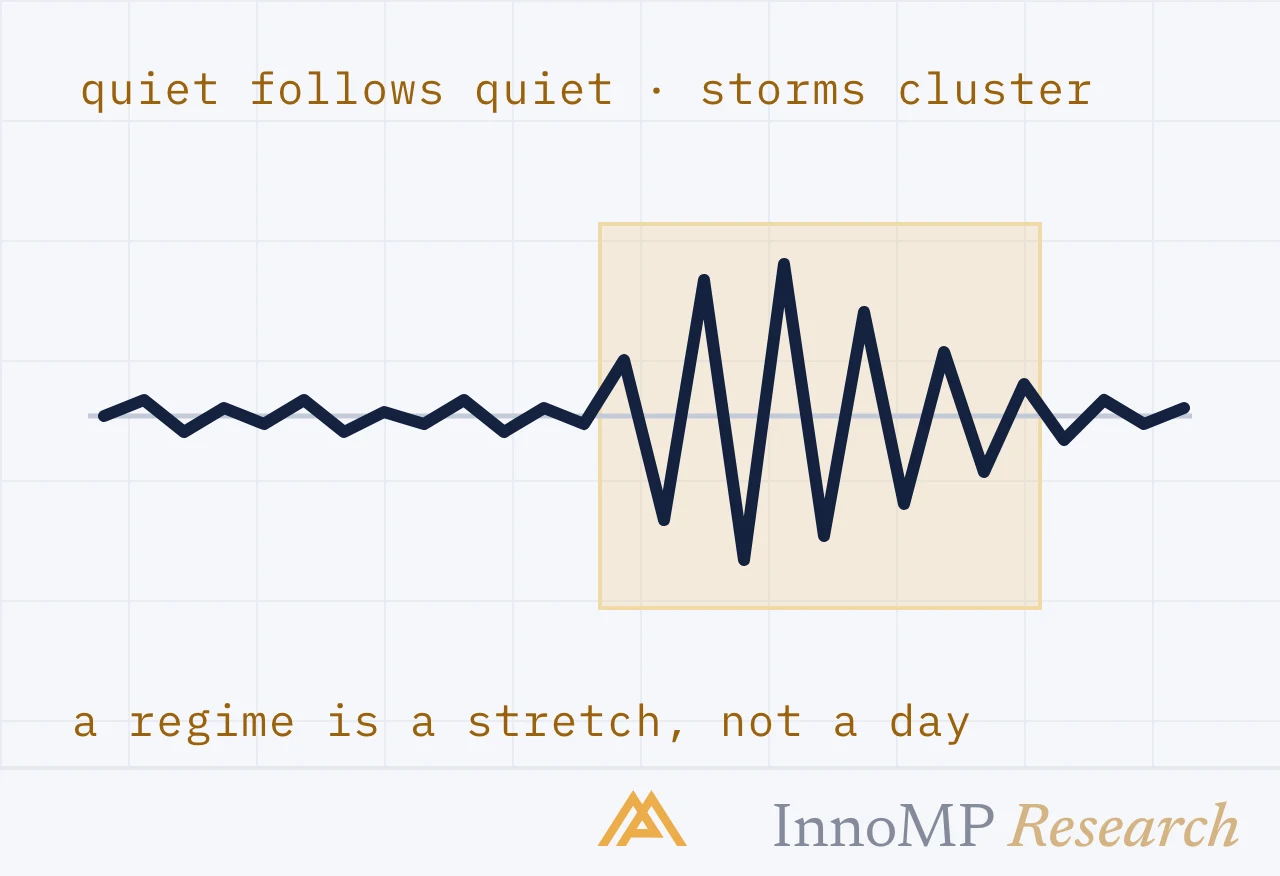
The fixed pip distance. A 20-pip stop applied to every instrument in every condition ignores that a quiet EUR/USD session and a volatile gold session are not the same environment. Volatility-scaled distances — a multiple of average true range, for instance — adapt to conditions in the way a constant cannot.
The distance chosen to justify the size. “I want two lots, so the stop has to be 12 pips.” This is sizing driving placement, and it produces stops that the market crosses in the normal course of a session.
Moving a stop
There is exactly one legitimate direction: toward reducing risk.
Moving a stop to breakeven after favourable movement, or trailing it behind developing structure, both reduce exposure. Widening a stop because price is approaching it does the opposite — it converts a defined loss into an undefined one at the precise moment the original thesis is being challenged.
If a wider stop is genuinely correct, the position was sized wrong at entry. The fix is to reduce size, not to move the line.
Where a stop cannot help
A stop is an instruction to exit at the next available price once a level trades. It is not a guaranteed exit price. Across a weekend gap or through an illiquid fast move, the fill can sit well beyond the level.
This is why stop placement is necessary but not sufficient. Position sizing has to assume the stop may be crossed rather than touched. A position sized so that only an exact fill is survivable is a position sized wrong.
The test
Before entering, answer in this order:
- What has to happen for this idea to be wrong? — that is the level
- What buffer does this instrument’s normal movement require? — that is the distance
- What size makes that distance cost 1% of the account? — that is the position
- What does a fill 50% beyond the stop cost? — if that is unacceptable, halve the size
A stop that survives all four is doing its job. One placed to make a desired position size work is only labelled a stop.
- The chart decides the stop distance; the account decides the position size — never the reverse.
- Stops clustered at round numbers and exactly at swing points are visible liquidity that price reaches for.
- Volatility-scaled stop distances, such as a multiple of average true range, adapt to conditions; a fixed pip distance does not.
- A stop should only ever be moved in the direction of reducing risk — to breakeven or trailing behind structure.
- A stop is an instruction to exit at the next available price; across a weekend gap or fast move the fill can sit well beyond the level.