Margin level is equity divided by margin in use, times 100. A margin call is a warning that it has fallen to the account's warning threshold; a stop-out is the platform closing positions automatically. On InnoMP forced liquidation begins at a 30% margin level during the trading week and at 100% over the weekend, when positions cannot be managed. Risking about 1% per trade with a stop attached keeps margin level permanently clear of both thresholds.
Two numbers sit quietly at the bottom of every trading platform, and most traders learn what they mean at the worst possible moment. This article is the alternative: the mechanics of margin level, the two thresholds that act on it, and the habits that make both irrelevant.
The number being watched
Margin level = (Equity ÷ Margin in use) × 100
The margin calculator shows this for any position, along with how far it can move against you before each liquidation threshold.
Equity is your balance plus the running profit or loss of open positions. Margin in use is the collateral your open positions require. The ratio between them is the account’s distance from trouble, expressed as a percentage.
An account with 10,000 equity and 1,000 of margin in use sits at 1,000% — comfortable. The same account with 8,000 of margin in use sits at 125% — one ordinary adverse session from the thresholds below.
The two thresholds
The margin call fires first — a notification that margin level has fallen to the warning threshold defined in your account terms. Nothing is closed yet. It is the platform saying: reduce exposure or add funds, because the next threshold acts on its own.
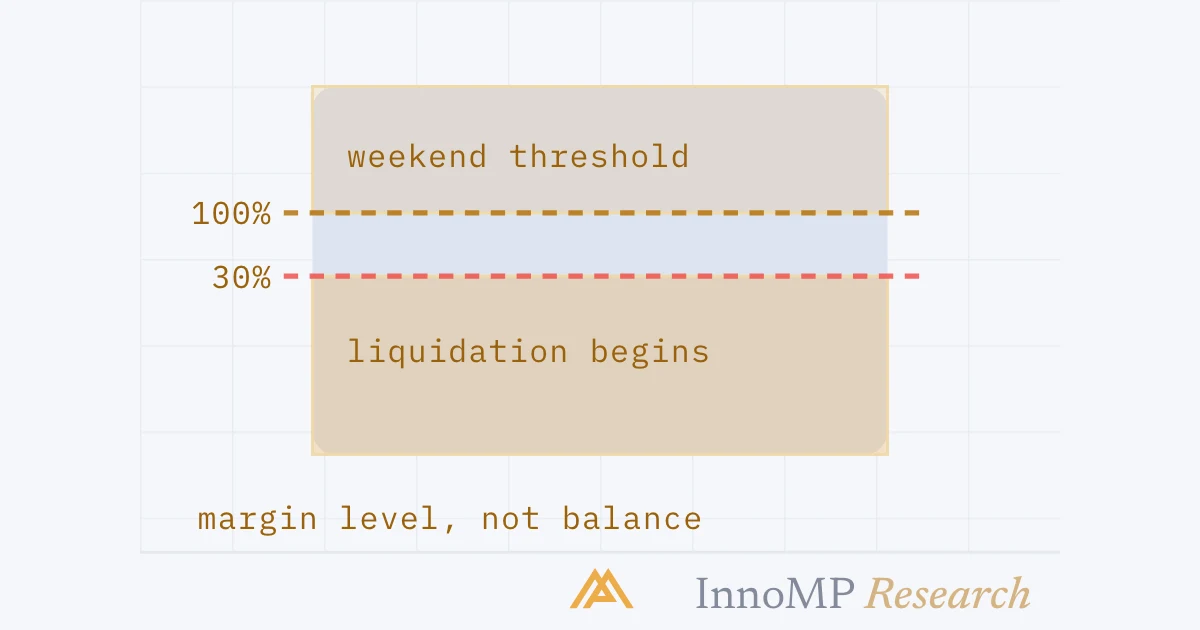
The stop-out is the acting threshold. On InnoMP, forced liquidation begins when margin level falls to 30% during the trading week. The platform closes positions automatically — no confirmation, no choosing which — until margin level recovers above the threshold.
The weekend raises the bar. From the Friday close to the Monday open, the liquidation basis rises to 100%. An account whose margin level is comfortable by weekday standards can sit below the weekend threshold on Saturday — the platform is pricing the fact that a gapping market cannot be managed while it is closed. The full mechanics are in weekend gaps and Monday opens.
Key takeaway A stop-out is not the platform acting against you — it is the contract’s last defence acting for you, closing positions before losses exceed what the account holds. But it closes them at the worst prices of the move, on its schedule rather than yours. Everything about good sizing exists so this mechanism never runs.
How accounts actually get here
The path to a stop-out is well-worn and has three steps:
Oversizing. A position (or several) whose margin consumes most of the account’s free margin. Margin level starts low, so ordinary volatility moves it into the thresholds. This is the sizing-from-margin error — letting what you can open decide what you do open.
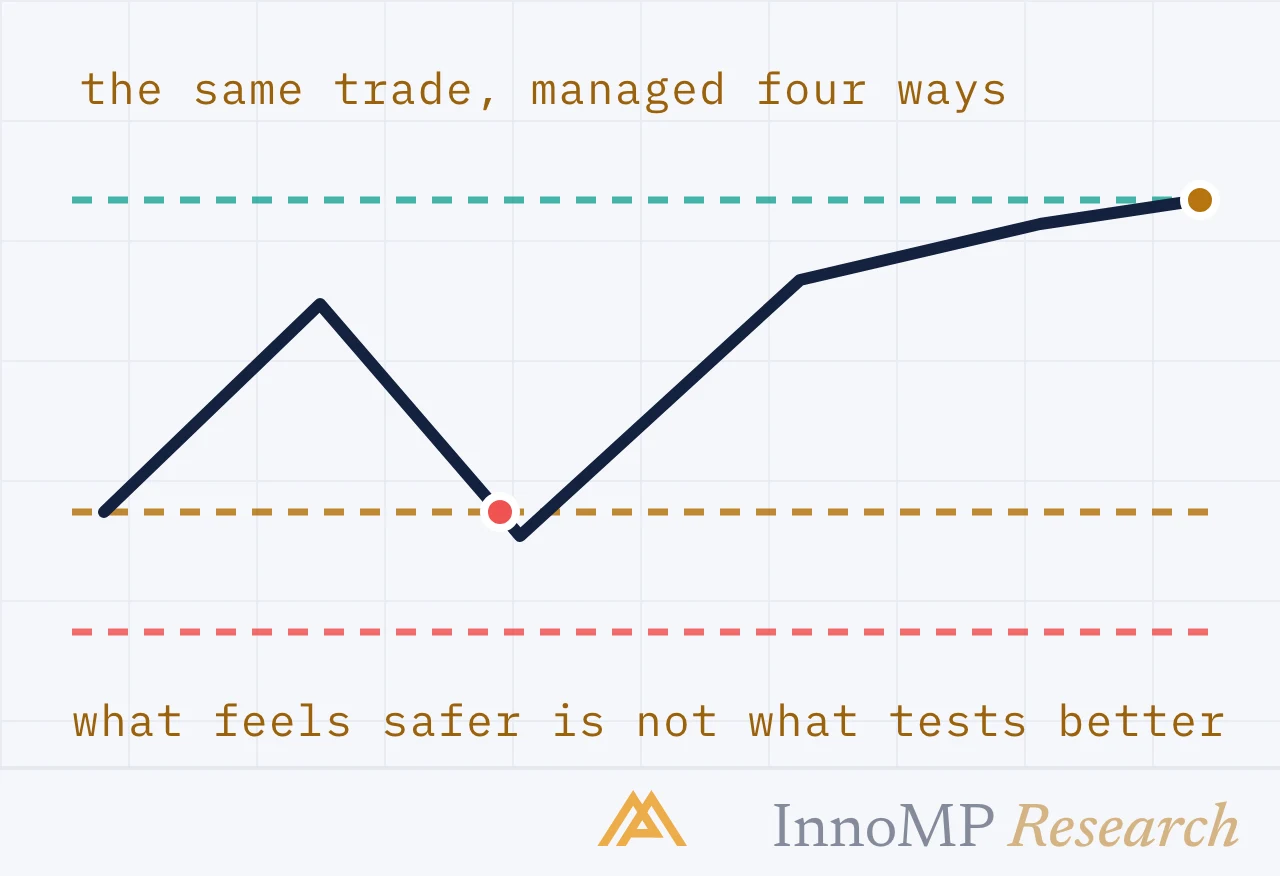
No stops. Without a stop, an adverse move just keeps subtracting from equity. The stop-out becomes the stop — at a level chosen by arithmetic rather than analysis.
Averaging into the loss. Adding to a losing position raises margin in use exactly while equity is falling — attacking the ratio from both sides at once. It is the single fastest route from healthy to stopped out.
The habits that make this article theoretical
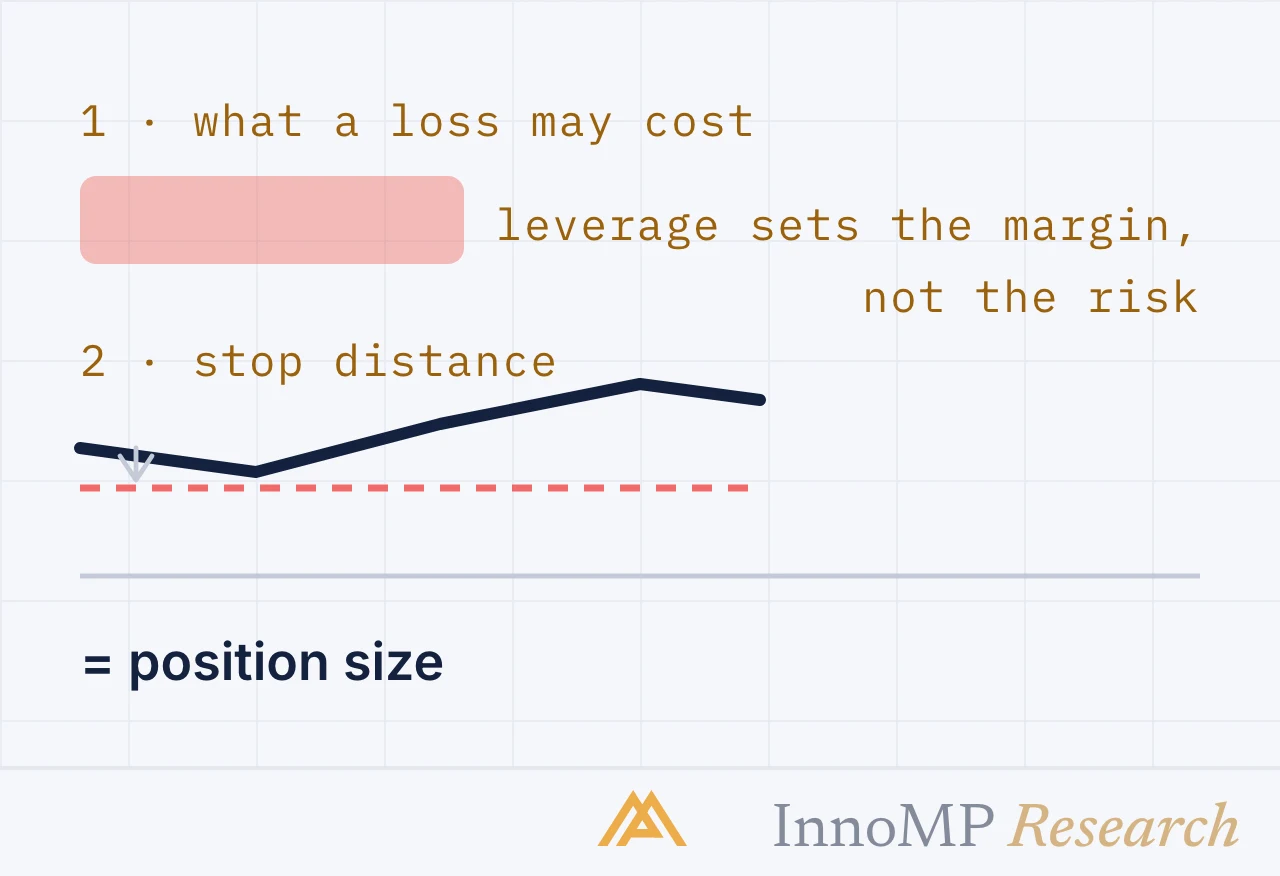
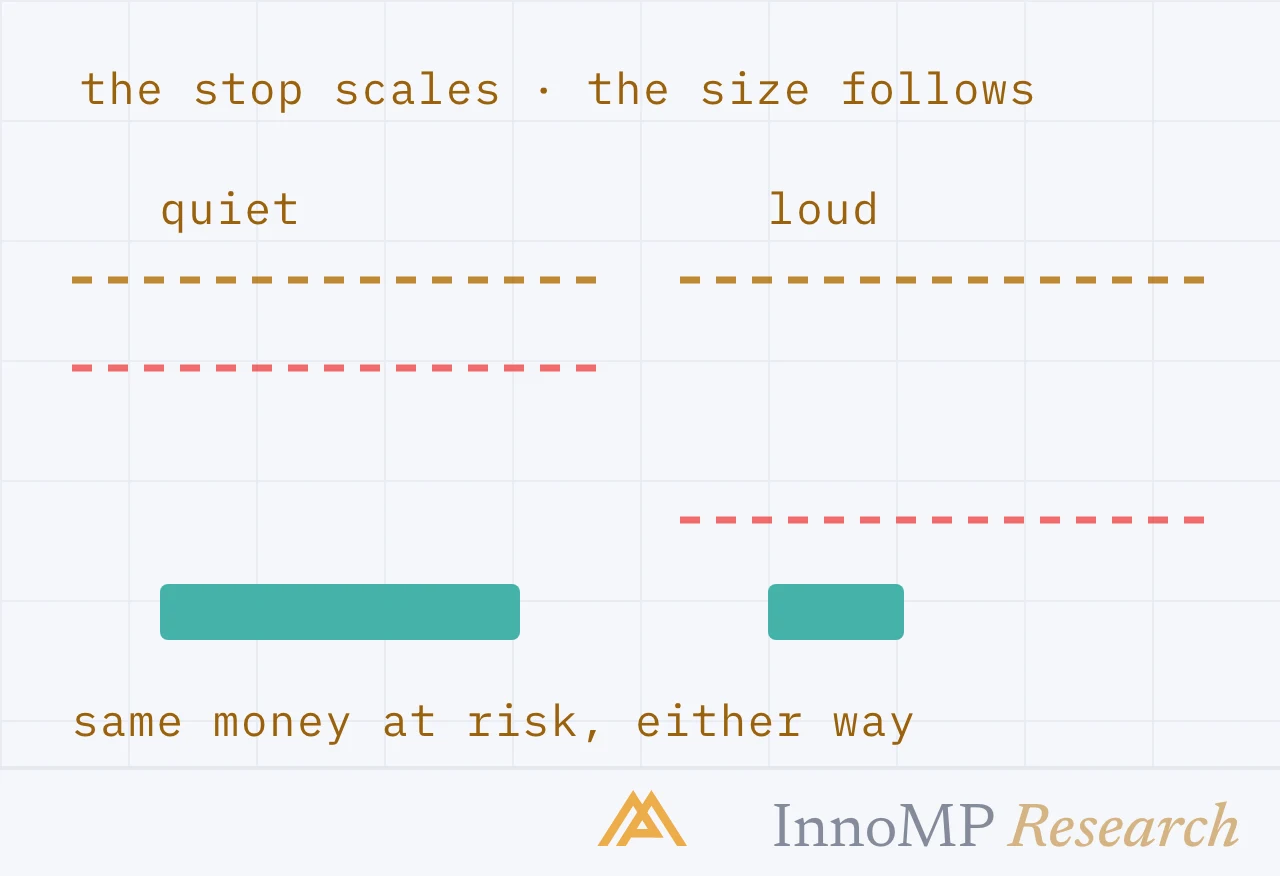
- Risk about 1% per trade, stop attached at entry. An account risking 1% with stops in place cannot ordinarily reach a margin call — losses realise long before margin strains. The arithmetic is in position sizing, the placement in stop-losses.
- Watch margin level, not just balance. Anything consistently below a few hundred percent is a sizing conversation the account is trying to start with you.
- Size for the event, not the average. Ahead of scheduled news or a weekend, the same margin level is nearer the thresholds than it looks — volatility does the moving. See trading the calendar.
- Check headroom before every weekend. The threshold you sized for on Wednesday is not the threshold that applies on Saturday. Margin level should clear 100% with room to spare before the Friday close.
- Know the safety net exists — and don’t lean on it. InnoMP accounts carry negative balance protection, so extreme moves are not meant to leave eligible clients owing money. That protects the account from catastrophe; it does not protect a position from liquidation at the worst prices of the move.
A margin call is not bad luck. It is the visible end of a sizing decision made weeks earlier — which is the good news, because it means the fix is also made weeks earlier, at the order ticket, one honest position size at a time.
- Margin level = (equity ÷ margin in use) × 100.
- A margin call is a warning; a stop-out is automatic liquidation by the platform.
- InnoMP's stop-out level is 30% margin level Monday to Friday and 100% over the weekend.
- Oversizing, trading without stops and averaging into losses are the three common routes to a stop-out.
- InnoMP accounts carry negative balance protection, which limits catastrophe but does not prevent liquidation at the worst prices of a move.