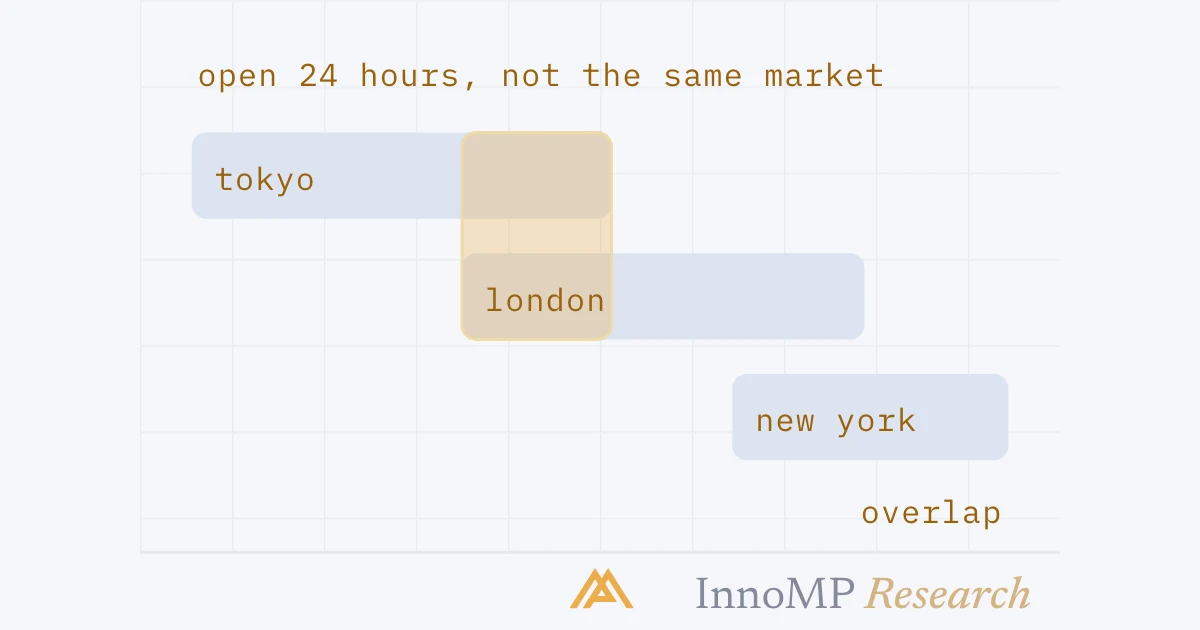
Forex trades 24 hours a day on weekdays, but liquidity moves with three financial centres: Asia (Tokyo, with Sydney leading in), London and New York. The London–New York overlap, roughly four hours, has the deepest liquidity and tightest spreads of the day. Spreads widen in the rollover hour after the New York close, in the first hours of Sunday's open and in the minutes before major data releases — the hours that quietly cost money.
“The forex market is open 24 hours” is true and misleading in the same breath. The market is open; the market you actually get — the spread, the depth, the character of movement — changes completely across the day. Knowing the map is one of the cheapest edges available, because it costs nothing but attention.
The three sessions
Forex follows the sun through three financial centres. Times shift with daylight saving, so think in terms of centres rather than fixed hours.
Asia (Tokyo, with Sydney leading in). The quietest major session. Ranges are narrower, and pairs without a regional anchor tend to drift. Yen pairs are the local exception — Japanese data lands here, and USDJPY can be genuinely active while EURUSD sleeps.
London. The largest single centre. Liquidity arrives like a tide: spreads compress, ranges expand, and the day’s direction frequently gets its first honest vote. European data lands in this window.
New York. Overlaps London for its first hours — more on that below — then carries the afternoon alone. US data dominates the calendar here, and the late New York hours thin out toward the daily rollover.
The overlap that matters
For roughly four hours, London and New York trade simultaneously. That window concentrates the deepest liquidity and the tightest spreads of the day, and it hosts a disproportionate share of the day’s meaningful moves — both because the participation is there and because the US data calendar aims at it.
If a trading routine can only cover one window, this is the window. Analysis can happen anywhere in the day; execution benefits from happening where the liquidity is.
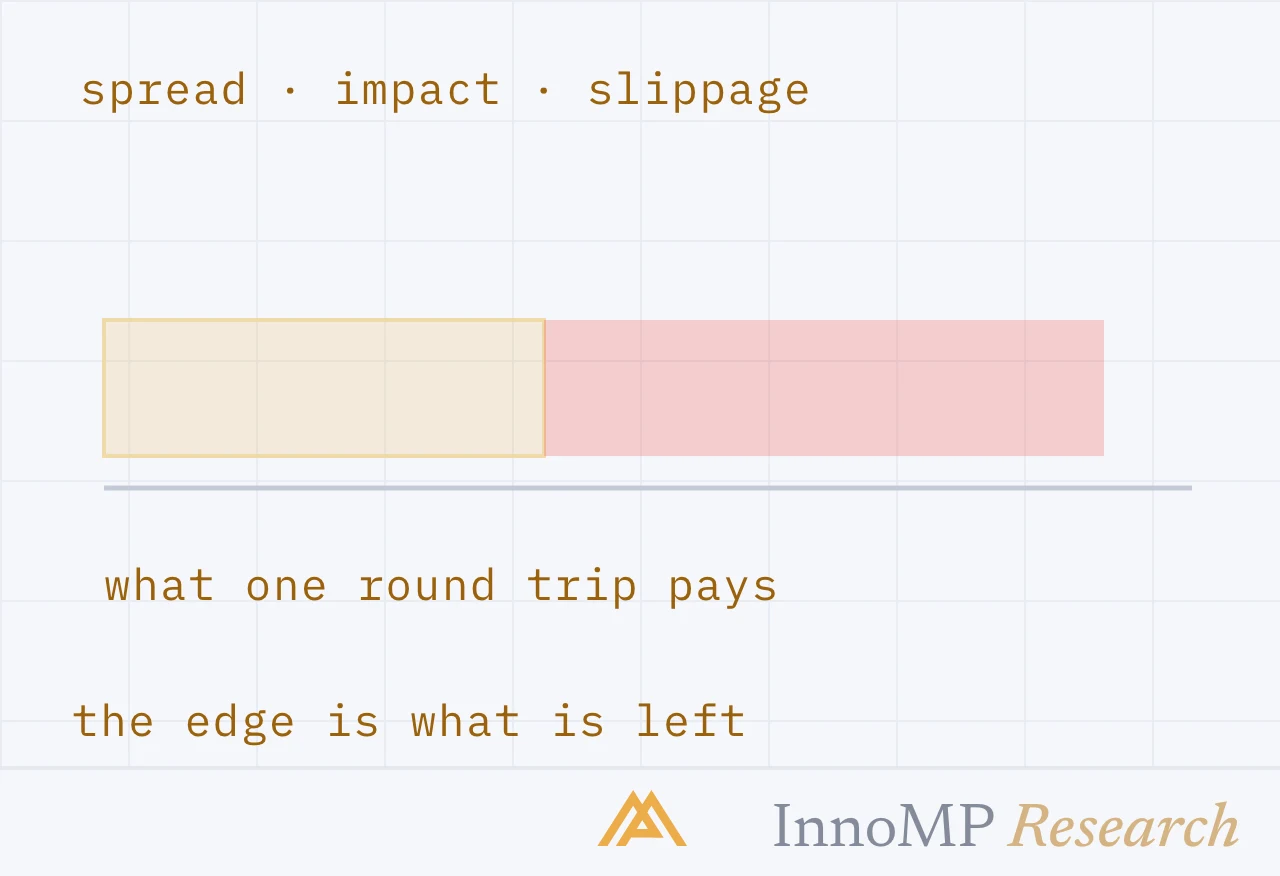
Key takeaway Liquidity is a cost variable. The same strategy, same pair and same size pays measurably different costs at the London–New York overlap than in the dead hours — and a strategy backtested on average spreads quietly assumes you trade the good hours.
The hours that cost money
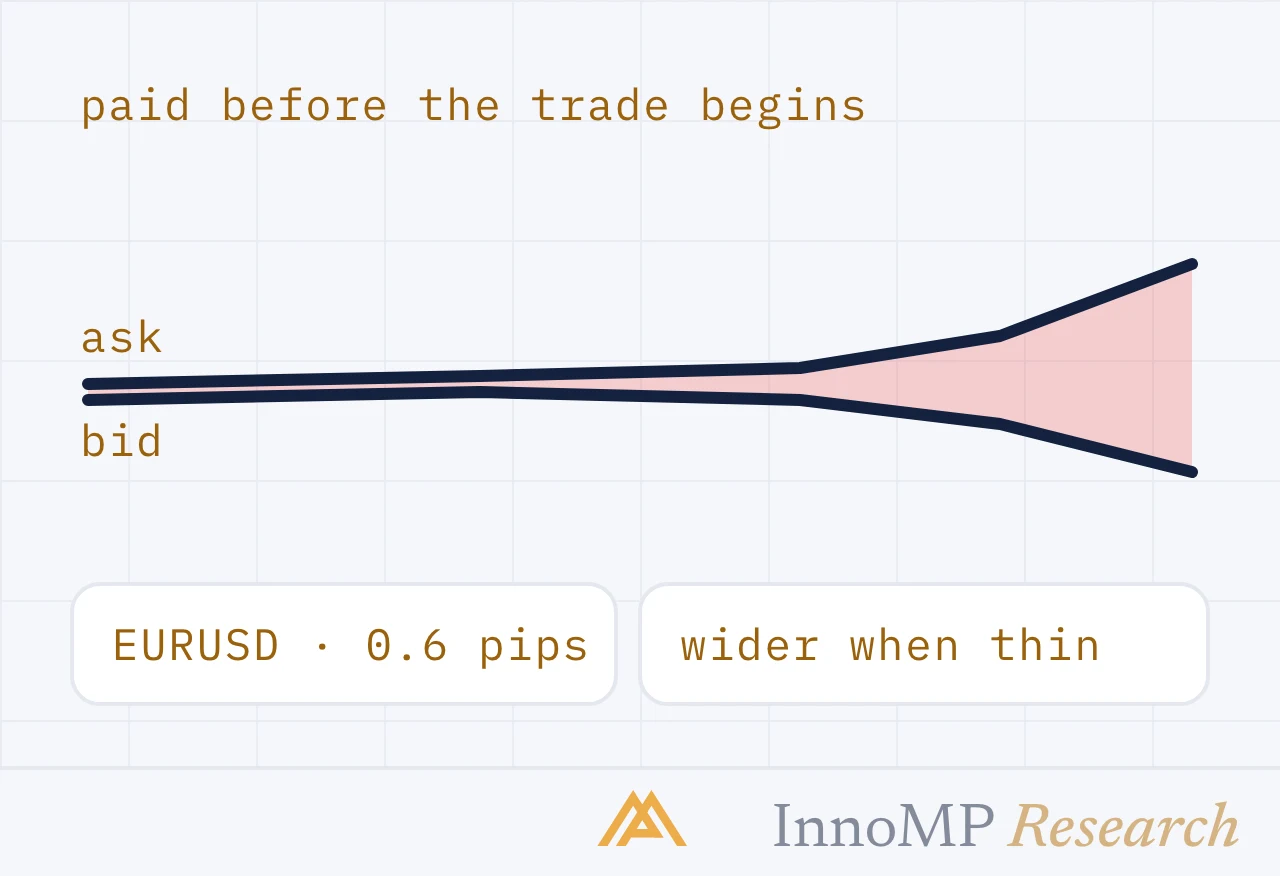
The rollover hour. After the New York close, liquidity providers step back, spreads widen sharply for a short window, and swap is applied. A stop resting close to price can be executed by the widened spread alone, with no real move behind it. Avoid holding tight-stopped positions through this hour; better, avoid the hour.
Friday’s close and Sunday’s open. Positions held over the weekend meet Monday’s opening price wherever it is — the gap mechanics apply to forex too, and political weekends produce the largest ones. Sunday’s first hours are thin; chasing the open is paying the week’s worst spreads for the week’s least reliable prices.
Pre-news minutes. Before major releases, spreads widen in anticipation. The calendar playbook covers this in full.
Matching the session to the strategy
- Range approaches suit Asia, where mean reversion has statistics on its side — but position for the range to end when London arrives.
- Momentum and breakout approaches want London and the overlap, where a break has participation behind it.
- Swing entries are session-agnostic on analysis but still benefit from executing in liquid hours: entry cost is entry cost.
None of this requires trading at 3am. It requires knowing what 3am is — a thin market with wide spreads and drifting prices — and not applying conclusions formed there to a market that behaves differently eight hours later. The calendar and the clock are the two cheapest instruments in trading; most of what they offer is collected simply by looking.
- The forex market runs 24 hours on weekdays across three sessions: Asia, London and New York.
- The London–New York overlap lasts about four hours and carries the deepest liquidity and tightest spreads.
- Spreads widen in the rollover hour after the New York close, when swap is applied.
- Sunday's first hours and the minutes before major releases are the most expensive times to execute.
- Range strategies suit the Asian session; momentum and breakout strategies suit London and the overlap.