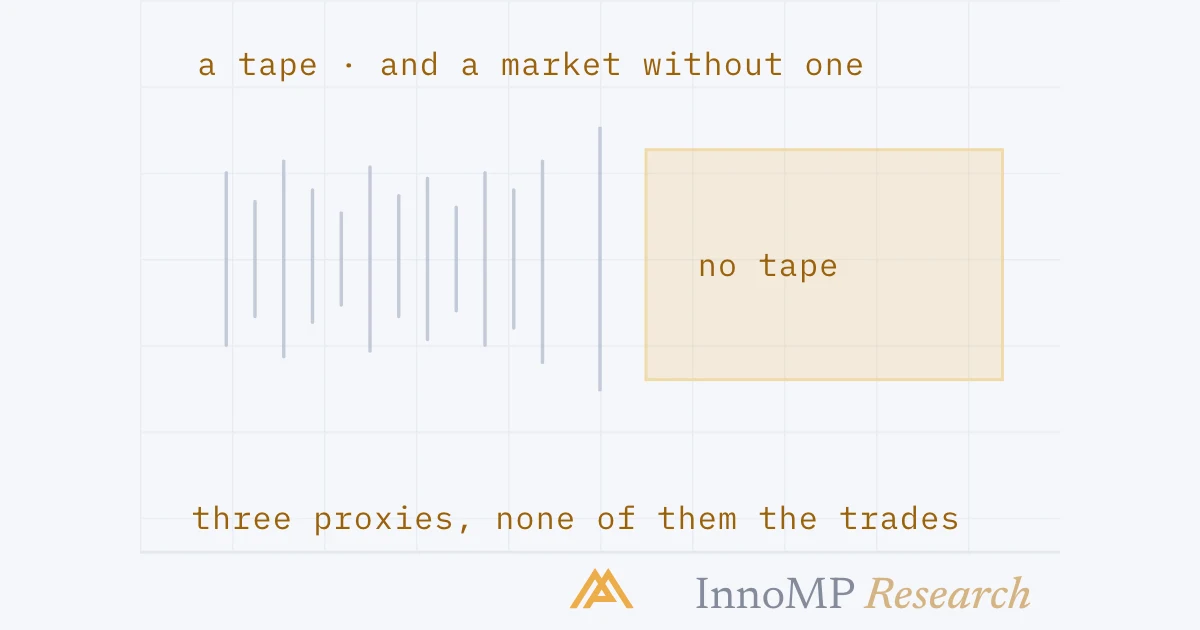
Order flow is the record of executed trades — size, side and time — and reading it needs a tape, which an exchange keeps and an OTC market does not. A currency CFD trader has three partial substitutes: tick volume, which counts price changes; the broker's Depth of Market, which is its own book; and the weekly Commitments of Traders positioning in exchange-traded FX futures. Each answers part of the question. None is the market's tape, and a tool that claims to read one on a CFD feed is reading a proxy.
Order flow is the record of executed trades — size, side and time — and reading it requires a tape: one venue, every trade, in order. Forex has no tape, because it has no exchange. What a CFD trader has instead is three proxies, each of which answers part of the question and none of which is the market’s trades.
The two parts before this one explained where liquidity rests and what happens when price reaches it. Both were read from the chart, by inference. This part is about whether the inference can be replaced by observation — and for a currency CFD the answer is mostly no, which is worth knowing before buying a tool that says otherwise.
What a tape is, and who has one
On an exchange every trade passes through one book, and the exchange publishes it: price, size, time, and which side was the aggressor. That stream is the tape, and everything called order flow analysis — footprint charts, delta, volume profile built from real volume — is a way of reading it.
Spot forex is over the counter — the BIS survey the Intermediate level used describes it that way, and Part 4 described what that means for a quote. It means the same thing for a tape: there is none. Trades happen between dealers and clients on many venues, and no one publishes all of them. Even the largest participants see their own flow and a slice of the rest.
Currency futures are different. They trade on an exchange — CME’s Euro FX contract, for instance, has a central book and published trades — and they have a tape. That is where the one real order-flow record for currencies lives, and it is a different instrument from the CFD on the platform.
Three proxies
Tick volume is the Intermediate level’s subject: a count of price changes per bar, read relative to the hour. It knows how busy a candle was. It does not know who was buying, how large the orders were, or anything about the side.
Depth of Market is Part 3’s: resting orders near the touch, where the broker provides them. On an exchange-traded underlying with the feed passed through, it is real market depth. On a currency pair it is the broker’s own book — the dealer’s ladder from Part 1, assembled from its providers. It is a true read of the liquidity the order will meet, and it is not a read of the market.
Positioning is what participants are holding rather than what they are trading, and for currencies it has one public source, described next.
Commitments of Traders
The CFTC publishes, every week, a breakdown of each Tuesday’s open interest in US futures and options on futures, by category of trader, released on the Friday at 3:30 pm Eastern. For the currency futures on CME that is the only public record of who holds what.
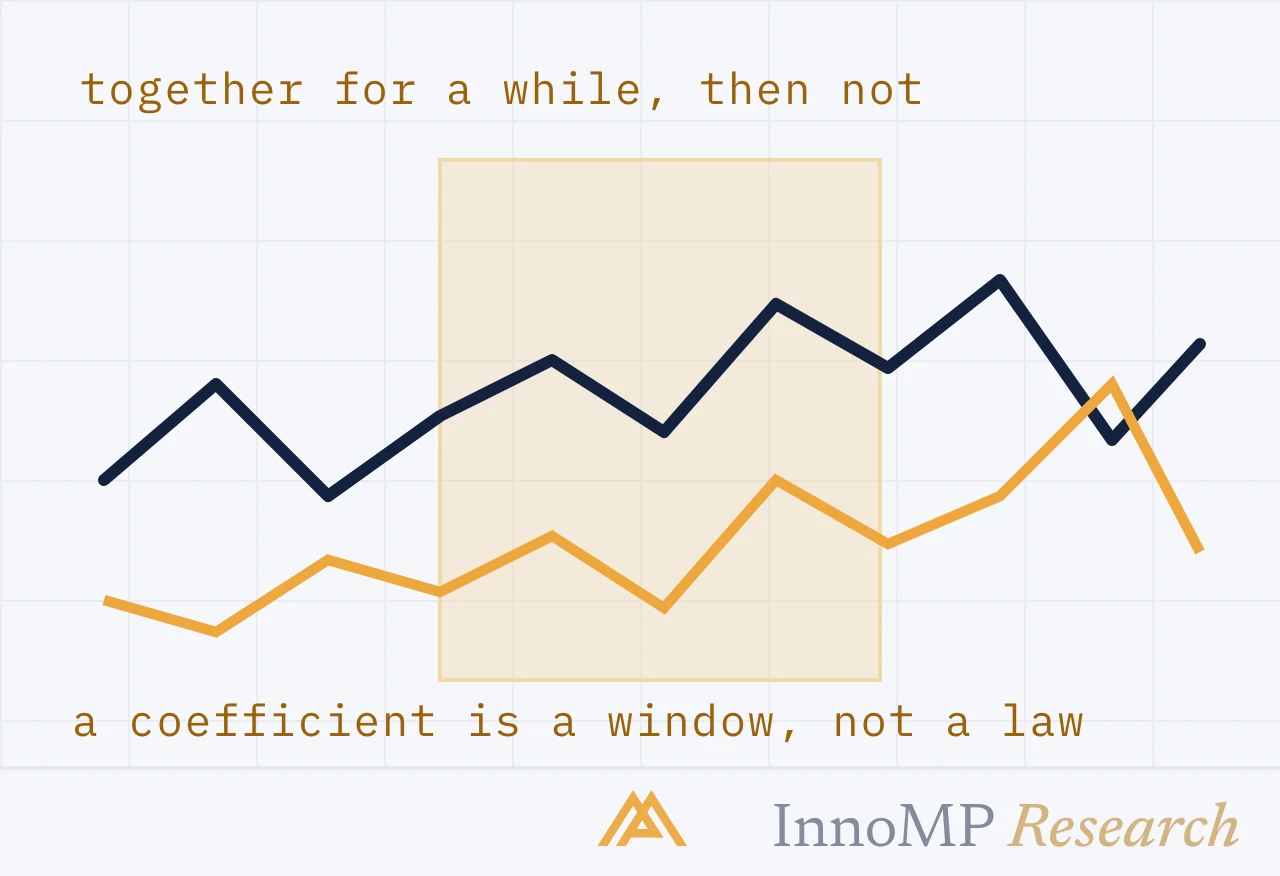
What it is good for is crowding. A category that has been adding to one side for weeks is a pool of the kind Part 5 described, at the scale of a whole market: positions that will have to be closed, and stops that will have to be placed, all on the same side. Extreme positioning is a reason to read a level more carefully; it is not a timing signal, because it is a week old on the day it is published and describes futures rather than the spot market the CFD follows.
What it is not is flow. It is a photograph of holdings, and the holdings changed between the Tuesday it was taken and the Friday it arrived.
Tools that read a proxy as a tape
The market for order-flow software does not stop at the edge of the exchange. Footprint charts, delta, and volume profile are sold for currency CFDs, and they run. The question is what they are computing from.
Delta is the clearest case. It is the difference between volume that traded at the ask and volume that traded at the bid, and it needs the tape to know which side each trade hit. A CFD feed carries quotes, not trades; the tool infers a side from whether each tick moved up or down. That is a guess about the broker’s quote changes, and it is presented in the same colours and numbers as the real thing. On a futures feed, the identical tool reads the exchange’s own record.
None of this makes the tools dishonest. It makes their input a proxy, and a proxy is only as good as what it stands for. Tick volume stands for activity, and the Intermediate level showed what activity can honestly say. Inferred delta stands for a side that the feed never carried, and there is no reading of it that survives that.
Key takeaway Ask any flow tool one question: where did the side of each trade come from? If the answer is an exchange, it is reading a tape. If the answer is the direction of the last tick, it is reading a guess — however good the chart looks.
What a CFD trader can honestly do with flow
That is the honest position, and it is not nothing. Activity by hour decides when the sweeps of the previous part are most likely and when the slippage of Part 3 is worst. The broker’s book is the liquidity the order will actually be filled against, which is the only depth that matters at the ticket. And positioning says which side of a market is crowded, which is where the largest pools of the previous two parts are forming.
What the three cannot do is replace the inference this group has been teaching. Where liquidity rests, and what price does when it gets there, are read from the chart — from structure, from the obvious line, from who would have put an order where. On a currency CFD that inference is the order-flow analysis, because the tape that would confirm it does not exist.
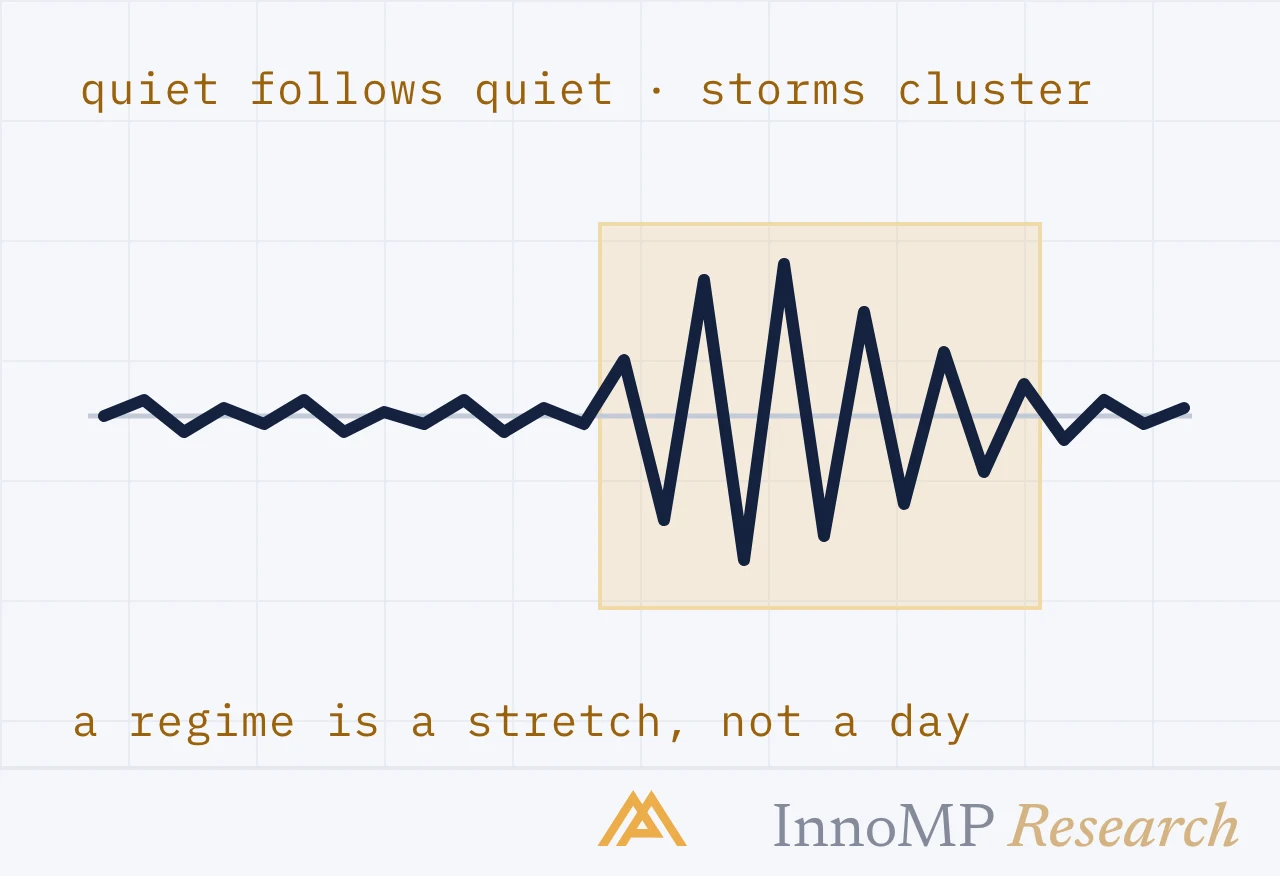
The next group leaves the book and turns to the thing that changes the size of everything in it: volatility.
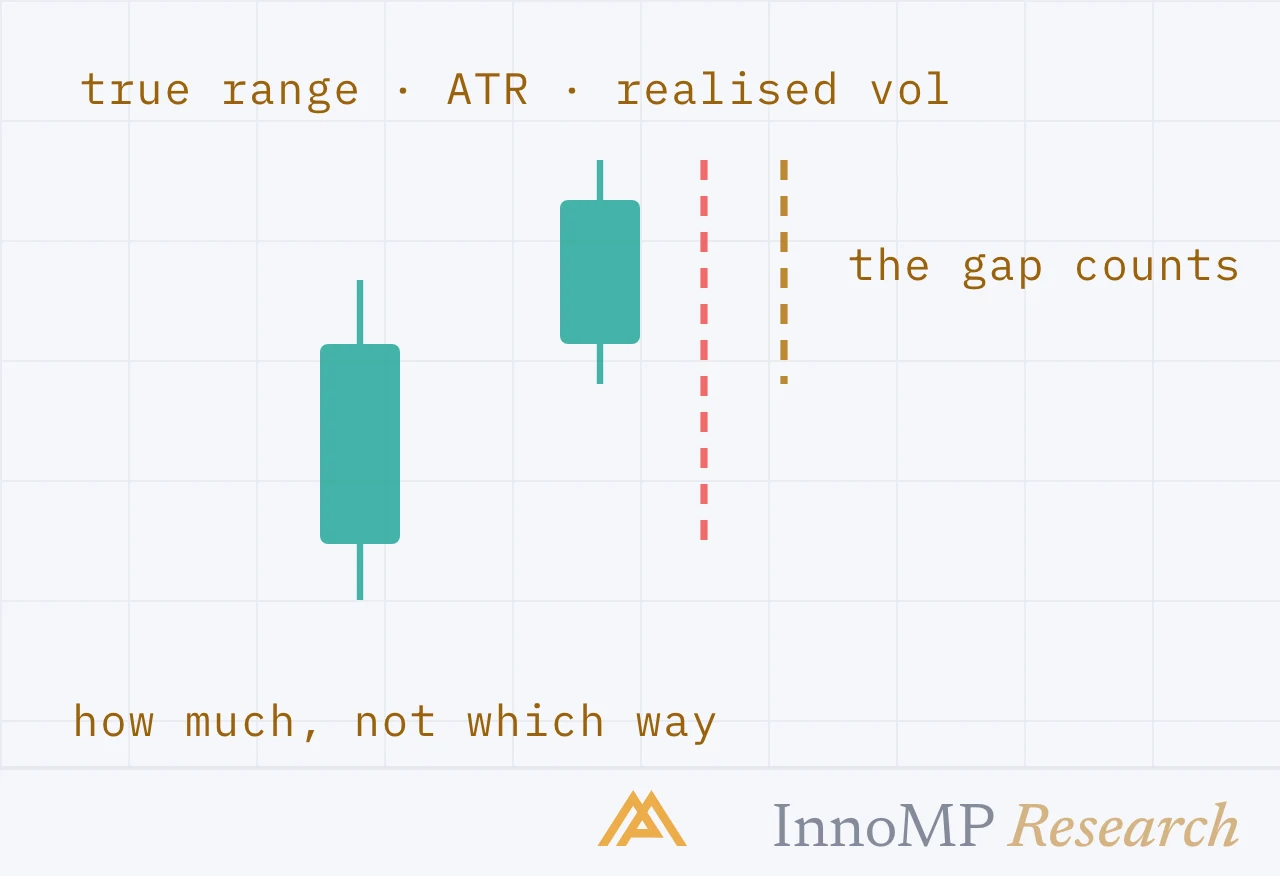
Next: Measuring volatility — true range, ATR and realised volatility: three measures of how much, and what each one is for.
- Order flow is the record of executed trades with size, side and time; reading it requires a consolidated tape.
- Forex trades over the counter, so there is no consolidated tape and no market-wide buy or sell volume.
- Tick volume counts price changes; Depth of Market on a CFD feed shows the broker's own book.
- The CFTC's Commitments of Traders report gives each Tuesday's open interest in futures and options by trader category, published Friday.
- Footprint, delta and volume-profile tools on a CFD feed are computed from a proxy, not from the market's trades.