Cognitive bias
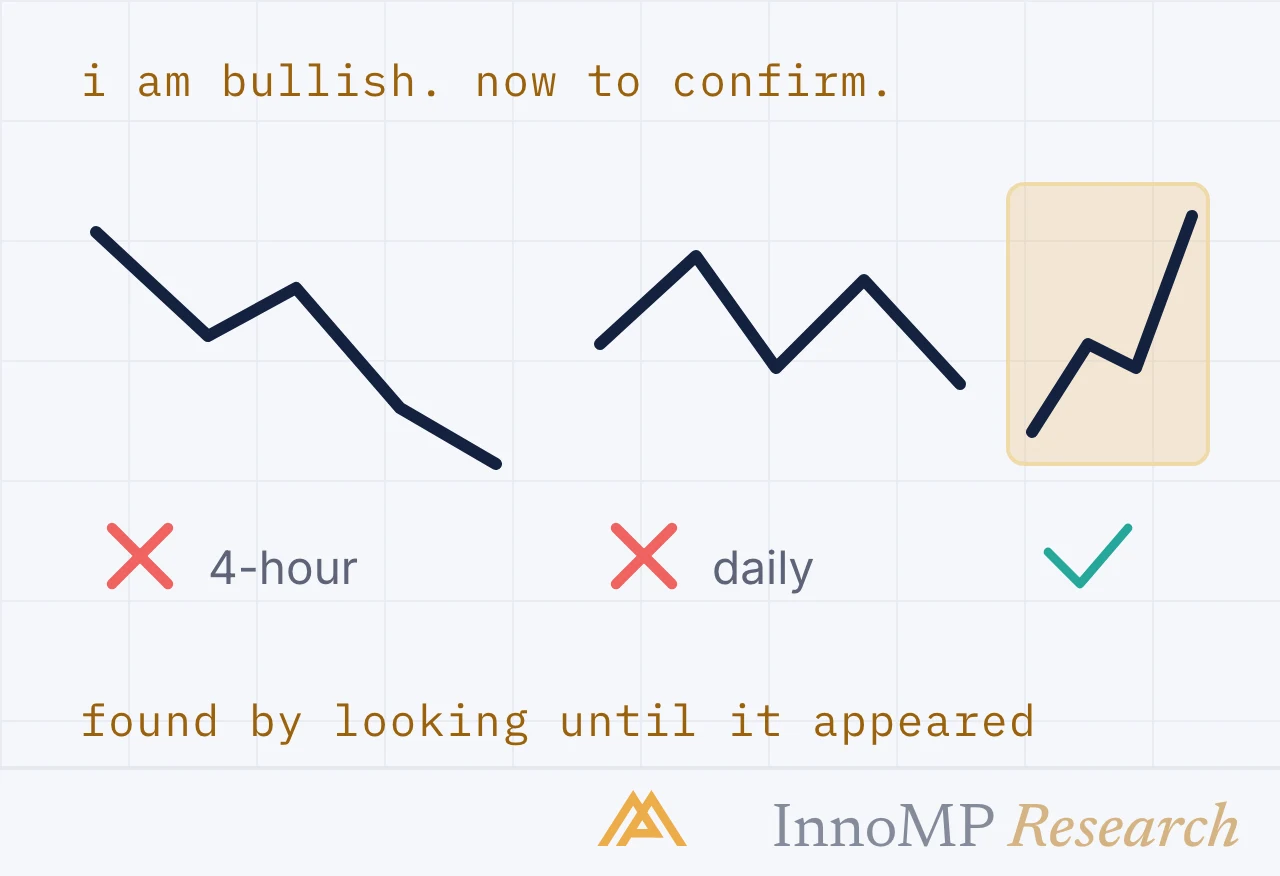
Confirmation bias: finding the chart that agrees with you
Once you have a view, evidence stops being evidence. How the bias operates in chart analysis specifically, and the practical tests that catch it.
5 min read
The mental shortcuts that distort a chart read before any emotion is involved.
7 articles
Once you have a view, evidence stops being evidence. How the bias operates in chart analysis specifically, and the practical tests that catch it.
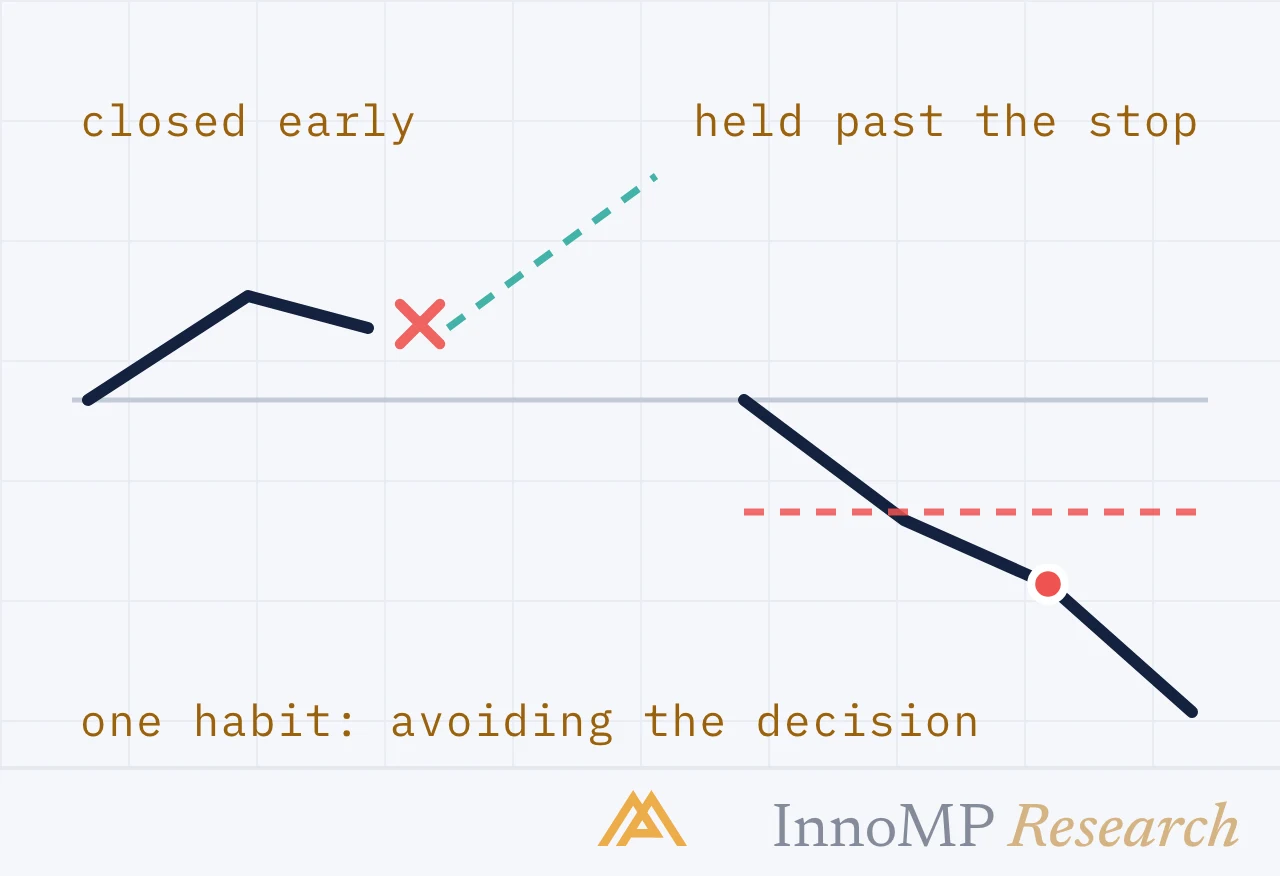
They look like opposite errors. They come from the same source, they compound in the same direction, and one fix addresses both.
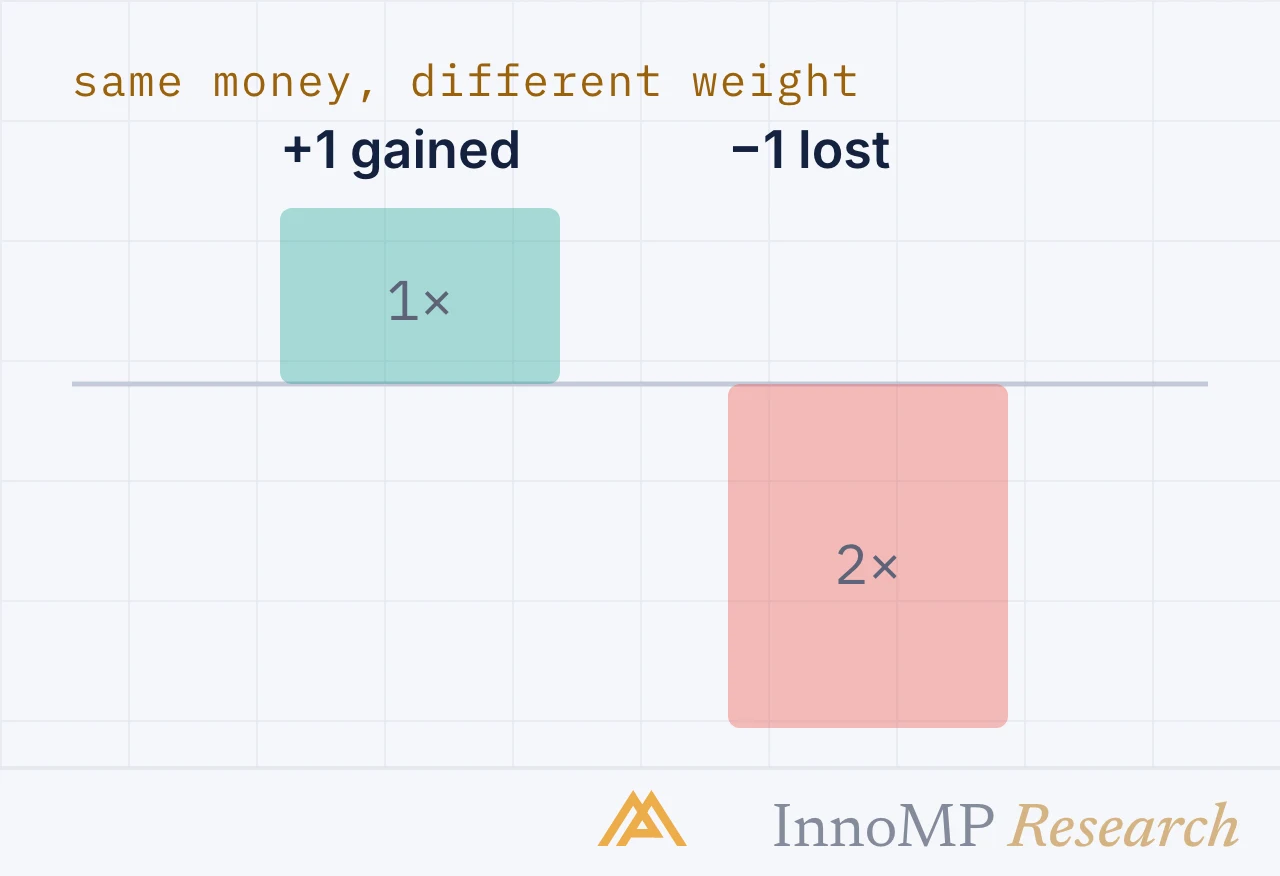
The asymmetry that makes traders cut winners early and hold losers long. Where it comes from, and the structural fixes that work better than trying to feel differently.
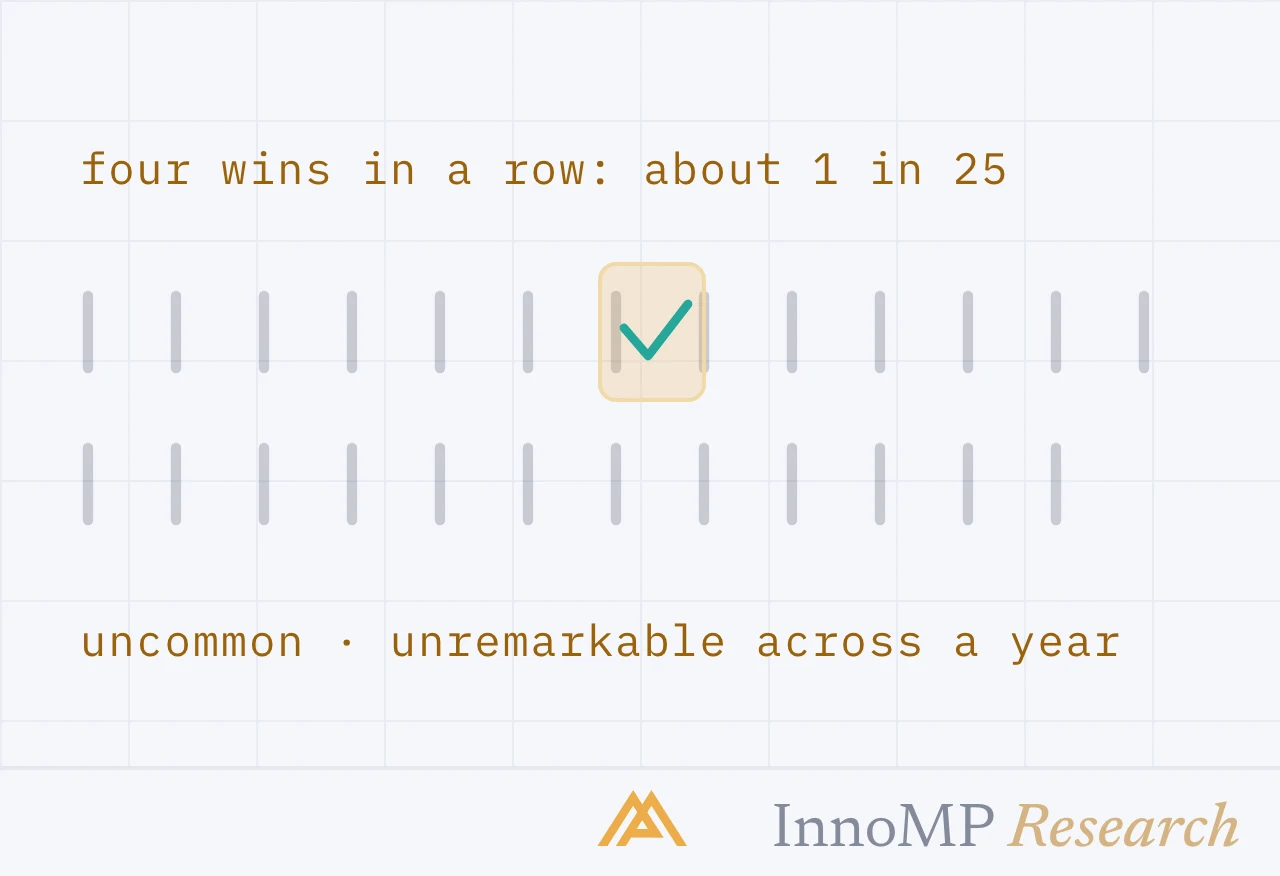
A run of wins feels like skill and is frequently luck. How outcome bias distorts self-assessment, and why the largest losses often follow the best weeks.
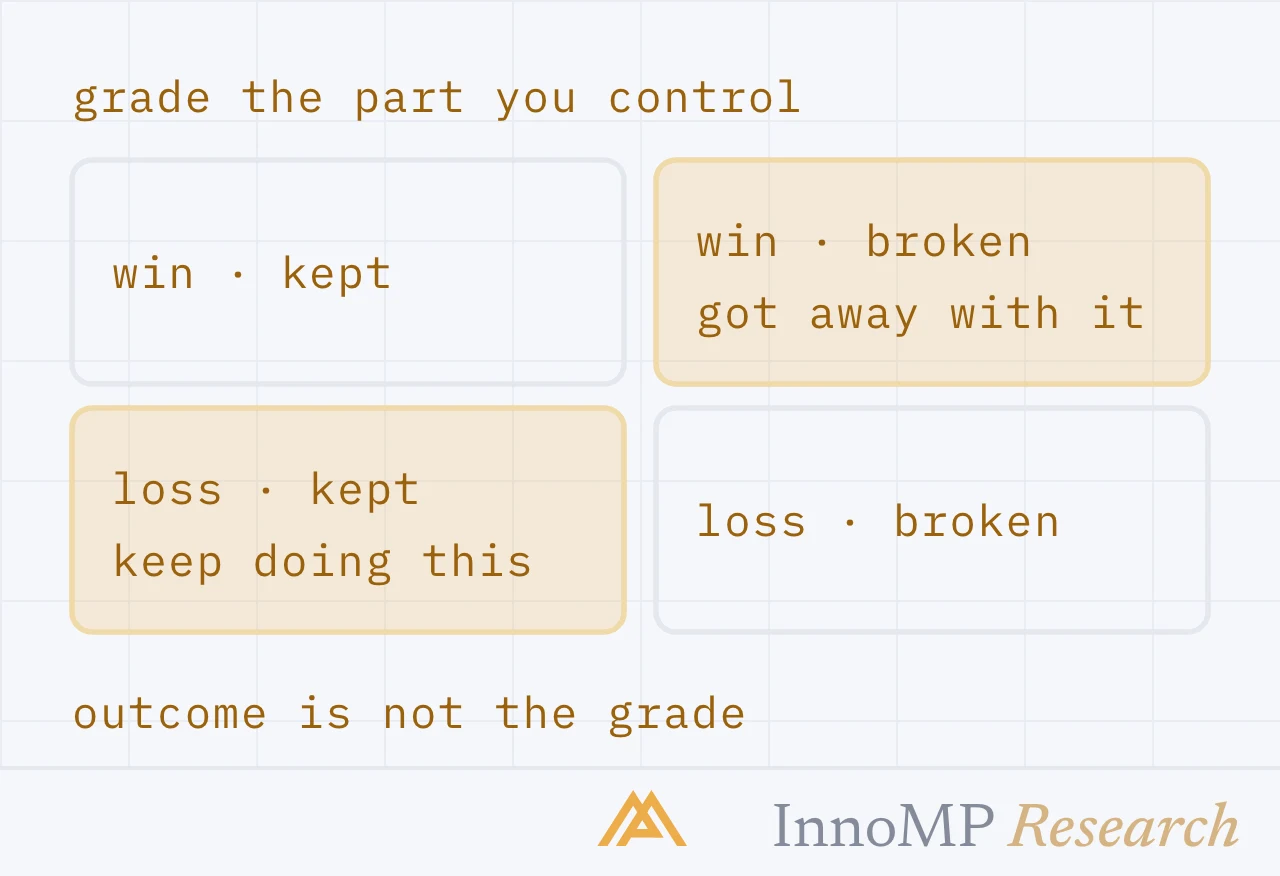
A good trade can lose and a bad trade can win. Evaluating yourself on results teaches the wrong lessons — here is what to grade instead.
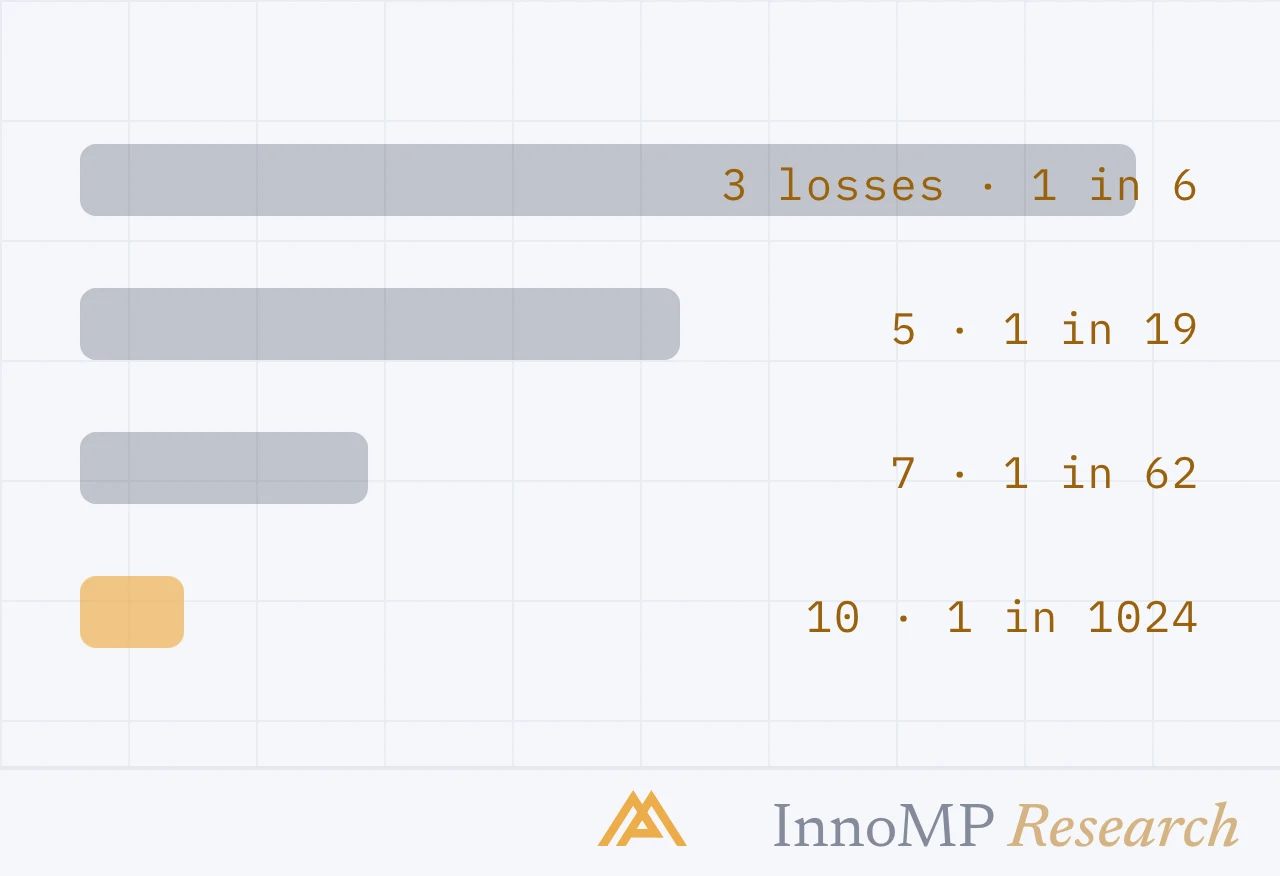
Recent and vivid events dominate judgement out of proportion to their weight. What that does to strategy assessment, and the sample sizes that actually mean something.
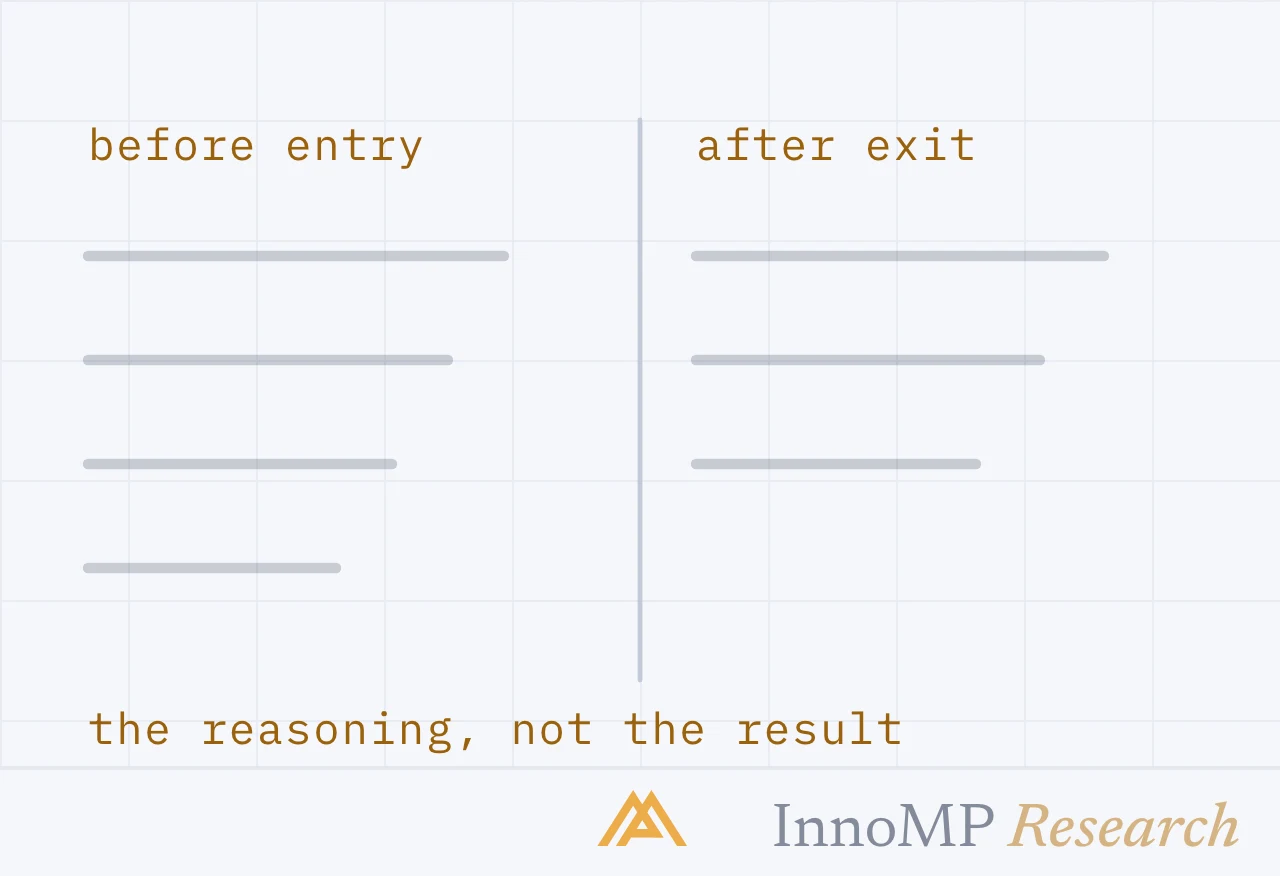
A list of profits and losses teaches almost nothing. What to record instead, and why the fields that matter are the ones written before the outcome is known.
DisciplineRisk-rewardTrading emotionsPosition sizingTrading journalDrawdown